
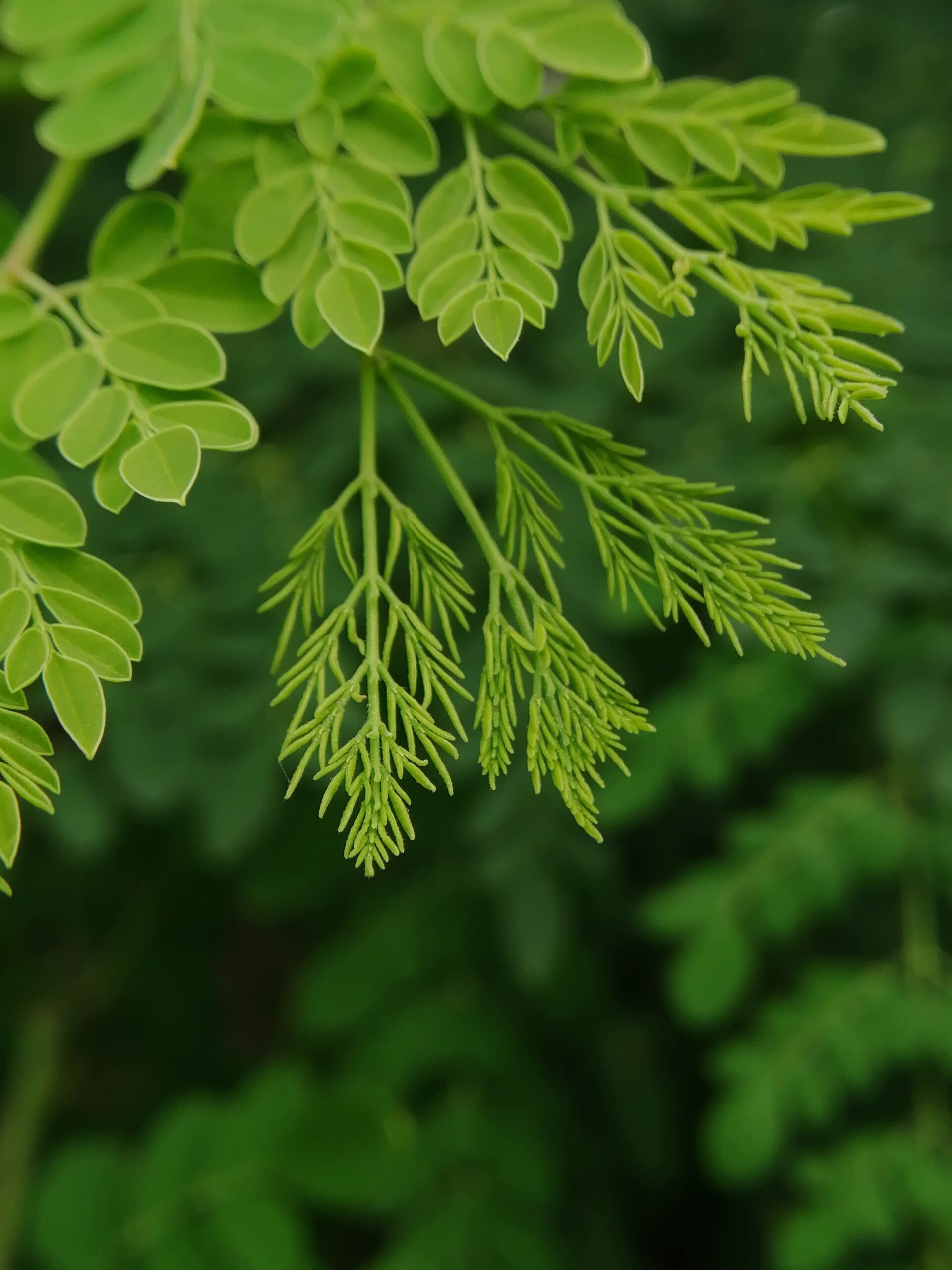
Among the agricultural crops that have seen the most dramatic revaluation in the past decade — from undervalued traditional food to globally recognised superfood commanding premium prices — moringa (Moringa oleifera) is perhaps the most striking example. The drumstick tree, whose leaves, pods, and seeds have been consumed in South India for generations as ordinary vegetables, has been discovered by the global health food industry and reclassified as a nutritional powerhouse that sells in powder, capsule, and extract form at prices that the traditional vegetable market never approached.
Near Mysore, where moringa has been part of the agricultural landscape for decades, this global revaluation has created a specific and significant income opportunity for managed farmland investors.
Why Moringa Grows Particularly Well Near Mysore
Moringa is a drought-tolerant, fast-growing tree native to South Asia that thrives in the warm, semi-arid conditions of Karnataka’s interior agricultural belt. It grows in almost any well-drained soil, tolerates heat that stresses many other crops, and begins producing from its first year of planting — making it one of the fastest income-generating additions available to a managed farmland estate.
The climate near Mysore — warm summers, moderate monsoon, distinct dry season — creates conditions that moringa handles better than most crops. It does not require the high rainfall of the Western Ghats and is specifically suited to the drier, warmer conditions of the Deccan plateau fringe that characterises the Mysore agricultural belt. In this climate, a well-managed moringa planting produces year-round leaf and pod harvests with minimal input requirements.
The Income Profile: Fresh Drumstick to Powder
The income potential from moringa varies dramatically depending on whether the produce is sold as fresh drumstick pods to the local vegetable market or processed into moringa leaf powder for the health food market.
Fresh drumstick pods at local market prices: fifteen to thirty rupees per kilogram. A productive moringa tree produces fifteen to twenty-five kilograms of pods per year. At twenty trees per acre and twenty-five rupees per kilogram average, fresh pod income from a moringa acre is approximately seven thousand five hundred to fifteen thousand rupees per year — modest but adding to the estate’s overall income.
Moringa leaf powder at health food market prices: two thousand to five thousand rupees per kilogram of dried powder. One kilogram of dried leaf powder requires approximately seven to ten kilograms of fresh leaves. A productive moringa tree produces ten to fifteen kilograms of leaves per year available for powder production. At significantly higher processing to convert volume to premium powder, the income per acre from a moringa leaf powder operation is dramatically higher — but requires either on-site processing capability or a direct relationship with a moringa powder processor.
The Market Access Bridge
The gap between moringa’s premium market potential and the actual income most farmers receive reflects a market access challenge rather than an agricultural one: most moringa growers near Mysore are selling fresh pods to local vegetable dealers who pay commodity prices, while the premium moringa powder market is dominated by buyers in Bangalore, Mumbai, and export channels who pay ten to twenty times more for the same agricultural output in processed form.
Closing this market access gap — by either establishing a direct relationship with a Bangalore health food brand or by accessing an aggregator that purchases moringa leaves for premium processing — is the value creation opportunity for estate owners near Mysore who incorporate moringa into their planting mix.
Contact Nature N Me at naturenme.in or WhatsApp +91 98805 21637 to discuss moringa and other high-value crop additions on managed farmland plots near Mysore.
Frequently Asked Questions
Q: Why is Moringa called a superfood?
A: Its leaves, pods, and seeds are packed with nutrients, allowing processed forms like leaf powder to sell at premium global health market prices.
Q: Why is the region near Mysore ideal for growing Moringa?
A: Mysore’s warm, semi-arid climate and distinct dry season perfectly match Moringa’s drought-tolerant nature, enabling year-round leaf and pod harvests.
Q: How fast does a Moringa tree produce income?
A: Moringa is fast-growing and begins producing harvestable leaves and pods within its first year of planting.
Q: What is the price difference between fresh drumsticks and Moringa leaf powder?
A: Fresh drumsticks yield around ₹15–₹30 per kg locally, whereas processed organic Moringa leaf powder can fetch ₹2,000–₹5,000 per kg in health food markets.
Q: How can farmland owners maximize their income from Moringa?
A: By bridging the market access gap—either setting up leaf-processing capabilities or connecting directly with health food brands and aggregators paying premium prices.