
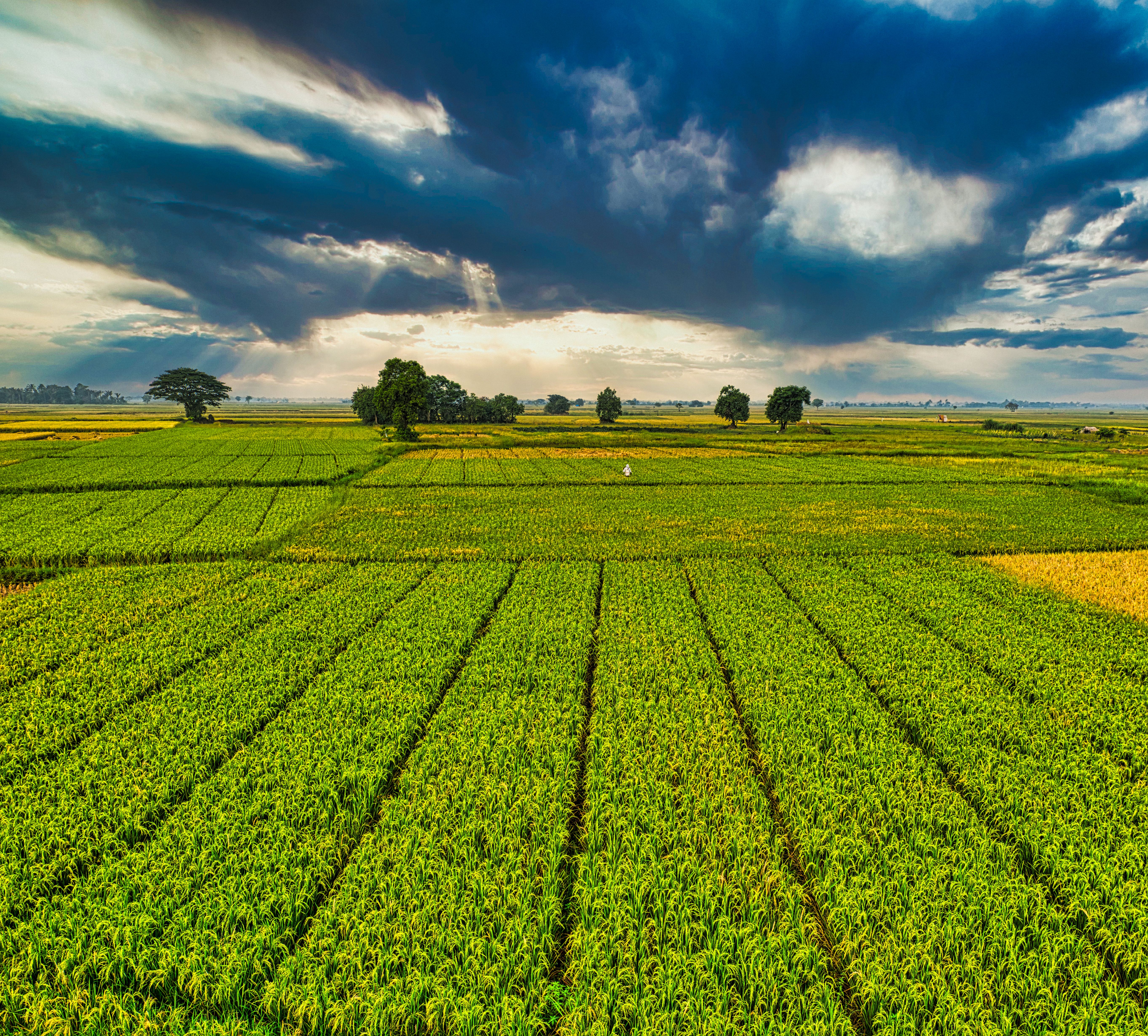
If you have been watching real estate trends in Bangalore, you have probably noticed something interesting — there is growing interest not just in apartments or plots, but in farmland too.
Bangalore professionals searching for managed farmland have several options within varying driving distances. This guide compares them honestly — with specific data on each option’s agricultural quality, accessibility, legal framework, and investment characteristics.
Option 1: Coorg (Madikeri) — Five to Six Hours
The premium option. Prime Arabica coffee zone at one thousand to fourteen hundred metres altitude, GI-tagged coffee with specialty market access, documented appreciation of twelve to fifteen percent annually, established managed farmland operator ecosystem. Agroforestry and orchards are among the top strategies for agricultural land investment — and Coorg’s multi-crop agroforestry system is the most developed version of this strategy in Karnataka.
Limitation: The drive. Five to six hours from South Bangalore means quarterly visits rather than monthly ones for most professionals.
Price range: twenty-five lakhs per acre in prime Madikeri zone.
Best for: Investors who prioritise agricultural quality and specialty crop income over accessibility frequency.
Option 2: Mysore — Ninety Minutes
The accessibility option. Ninety minutes from South Bangalore on the expressway — genuinely monthly-visit accessible. Fruit orchards and timber estates rather than coffee. Different income timeline (slower to full production than Coorg’s spice crops) but excellent lifestyle context with heritage city within twenty to thirty minutes.
Price range: twenty five lakhs per acre in productive Mysore agricultural zones.
Best for: Investors who want frequent visits, prioritise lifestyle use alongside financial return, and are willing to wait longer for peak crop income.
Option 3: Chikmagalur (Sakleshpur Zone) — Three to Four Hours
The middle option. Three and a half to four hours from Bangalore — better than Coorg’s six hours but without Mysore’s expressway convenience. Coffee-growing zone with its own quality reputation. Karnataka’s 2020 amendment applies equally. Prices generally lower than Madikeri’s current premium.
Price range: twenty five lakhs per acre in Sakleshpur’s quality zones.
Best for: Investors seeking coffee-growing zone investment at lower entry prices than current Madikeri pricing, willing to do the work to find quality documented plots.
Option 4: Kanakapura / Ramanagara — Sixty to Ninety Minutes
The proximity option — and the one most frequently confused with a genuine agricultural investment. Land in the Kanakapura and Ramanagara corridor is often marketed as farmland investment, but the primary investment thesis is typically urban land bank speculation rather than agricultural income. The agricultural quality of this zone for premium crops is significantly lower than Coorg or Chikmagalur — it is Deccan plateau agricultural land without the altitude, rainfall, or specialty crop suitability of the Western Ghats zones.
Price range: Fifteen to forty lakhs per acre (reflecting the urban land bank premium rather than agricultural quality premium).
Best for: Investors specifically betting on urban expansion reaching this corridor — not investors seeking genuine agricultural income.
The Clear Recommendation
A well-managed managed farmland provides a smart and sustainable path to wealth creation with predictable returns and increasing relevance in the era of climate-resilient investments. For genuine agricultural investment with documented income and appreciation, Coorg or Mysore through a verified operator is demonstrably superior to proximity-based options in less agriculturally suited zones.
Contact Nature N Me at naturenme.in or WhatsApp +91 98805 21637 to discuss Coorg and Mysore options specifically.
Disclaimer
The information provided by Nature N Me is for general informational purposes only. All property details, pricing estimates, and crop yield or appreciation projections are based on market data and are not guaranteed. Nature N Me acts solely as a facilitator and accepts no legal or financial liability for any decisions, transactions, losses, or disputes arising from the use of this information. Buyers must independently conduct due diligence and verify all legal titles, encumbrances, water rights, and government records before entering into any agreement.