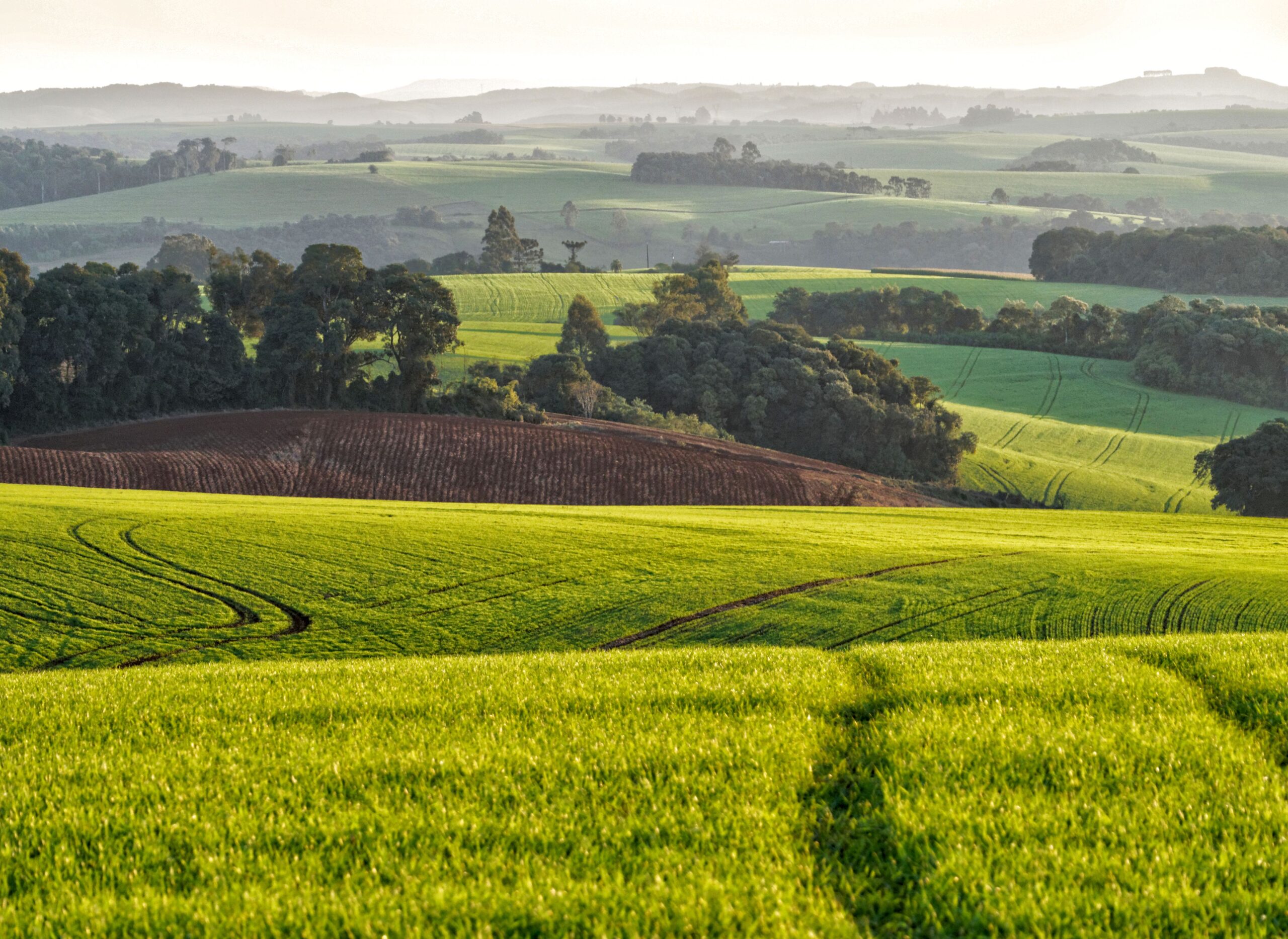
Search “Coorg farmland for sale” or “coffee estate for sale Madikeri” and you find hundreds of listings on 99acres, Hills and Wills, MagicBricks, and broker websites. Listings include thirty acres of neglected coffee estate, scenic hilltop properties, gated community coffee farm plots — a wide range of offerings that require careful evaluation. Hills and Wills
Most of these listings are legitimate. Some have complications. A few are specifically designed to exploit buyers who do not know what to look for. These are the traps that first-time buyers most commonly fall into — and how to avoid every one.
Trap 1: The False Water Claim
The listing says “perennial stream inside property.” You visit during the monsoon. The stream is running beautifully. You purchase. The following April, the stream runs dry — it was never perennial, only seasonal.
How to avoid: Visit in March or April, not October. Photograph and GPS-tag the stream. Ask the village accountant (patwari) whether the stream in this survey number has historically been perennial. Ask the farm manager specifically when the stream last ran dry and for how long. Demand bore well test data from dry-season measurements, not post-monsoon.
Trap 2: The Neglected Estate Presented as Productive
Thirty acres of neglected coffee estate for sale in Coorg — this specific type of listing appears regularly. The photographs show the estate from flattering angles. The income claim is based on what the estate “could produce” or on historical income before neglect began. Hills and Wills
How to avoid: Request three consecutive years of crop income statements — harvest weights, Coffee Board sale receipts, and bank credits. A productive estate has all three. A neglected estate with an inflated income claim has explanations but not documentation. Verify with the village accountant’s crop inspection register what was actually grown on this survey number in the past three seasons.
Trap 3: The PTCL Complication Hidden in Plain Sight
The land was granted to a Scheduled Caste or Scheduled Tribe family decades ago. It has since changed hands multiple times, each sale appearing normal in the encumbrance certificate — but the original PTCL encumbrance makes the entire chain void. You purchase in good faith and receive a registered sale deed. Years later, the original grantee’s heirs claim the land back through the PTCL Act. Karnataka courts have upheld such claims.
How to avoid: Get a PTCL clearance certificate from the district office specifically before purchase. This is a separate check from the encumbrance certificate — it requires a physical application at the Tahsildar or DC office. It takes a few days to a few weeks. It is not optional.
Trap 4: The Altitude Misrepresentation
“Prime Arabica zone coffee estate” — but the GPS altitude is nine hundred and twenty metres, below the threshold where specialty-grade Arabica quality is reliably achievable. The listing uses “Madikeri taluk” as a geographic identifier without specifying that the plot is in the lower-altitude transitional section rather than the prime zone.
How to avoid: Get the GPS coordinates, check Google Earth’s elevation display at those coordinates. Confirm altitude before evaluating the crop income projections. Coffee income projections appropriate for a thirteen-hundred-metre estate do not apply to a nine-hundred-metre estate.
Trap 5: The Collective Scheme Dressed as Freehold Ownership
The marketing says “own your farmland.” The documentation reveals a development agreement, a revenue sharing arrangement, or a proportional unit in a larger plot — not an individual registered sale deed for a specific survey number.
How to avoid: Ask directly and specifically — “Will I receive a registered sale deed in my individual name for a specific survey number, and will my name appear as pattadar in the RTC after mutation?” If the answer is anything other than a clear yes with documentation to prove it, ask why not.
Contact Nature N Me at naturenme.in or WhatsApp +91 98805 21637 — our documentation process is built around preventing every one of these traps.
Disclaimer
The information provided by Nature N Me is for general informational purposes only. All property details, pricing estimates, and crop yield or appreciation projections are based on market data and are not guaranteed. Nature N Me acts solely as a facilitator and accepts no legal or financial liability for any decisions, transactions, losses, or disputes arising from the use of this information. Buyers must independently conduct due diligence and verify all legal titles, encumbrances, water rights, and government records before entering into any agreement.