
This is the comparison that most Bangalore investors are actually making — not Coorg farmland versus mutual funds, but Coorg farmland versus the Bangalore apartment that is the conventional first-investment choice. The comparison deserves specific numbers and honest analysis rather than general claims.
The Typical Bangalore Apartment Investment in 2026
A two-bedroom apartment in a decent Bangalore location — Electronic City, Whitefield, Sarjapur Road — is priced at seventy to one hundred and twenty lakhs in 2026. Most buyers finance sixty to eighty percent with a home loan at eight to nine percent interest. Rental yield on such apartments runs at two to three percent of current market value annually. After home loan interest (which exceeds the rental income in the first several years), maintenance, property management overhead, and income tax on rental income, the net position is often cash-flow negative during the loan period.
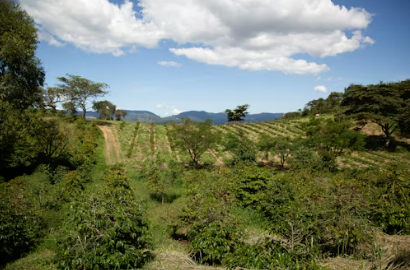
Managed farmland provides a smart and sustainable path to wealth creation with predictable returns and increasing relevance in the era of climate-resilient investments. Hasiru Farms
The Coorg Managed Farmland at Comparable Investment
Twenty-five lakhs — the typical down payment on a Bangalore apartment — buys two to two and a half acres of quality managed farmland in Madikeri’s prime zone. No loan. No EMI. No tenants. No maintenance committee.
The twenty-five lakh Coorg farmland position: Appreciates at twelve to fifteen percent annually based on documented Madikeri zone transactions. Generates growing tax-free crop income from year three — reaching one and a half to three lakhs annually at full production. Has zero management burden — the agricultural team handles everything.
The Ten-Year Numbers
Bangalore apartment at one crore (twenty lakh down payment, eighty lakh home loan at eight point five percent): After ten years of EMIs, the loan is partially paid down. The apartment is worth one crore forty to one crore eighty lakhs (seven to eight percent annual appreciation in most Bangalore micro-markets over recent years). Net wealth created after subtracting total interest paid on the loan: approximately twenty to forty lakhs above the original purchase price.
Coorg farmland at twenty-five lakhs (no loan): After ten years at twelve percent appreciation, land value is approximately seventy-seven lakhs. Cumulative tax-free crop income received: approximately fifteen to twenty lakhs. Total wealth created: ninety to ninety-seven lakhs from a twenty-five lakh investment.
The farmland position creates nearly four times the total wealth from one-quarter of the capital — with no loan, no tenants, no management burden, and completely tax-free income throughout.
The Honest Trade-Off
The apartment provides one thing that the farmland does not: a place to live in Bangalore (or to house a tenant near Bangalore). For investors who need accommodation in Bangalore, the apartment serves a dual purpose. For investors who already have accommodation sorted, the apartment is a financial investment — and on that basis, the farmland comparison is not close.
Contact Nature N Me at naturenme.in or WhatsApp +91 98805 21637 to discuss the comparison specific to your investment amount.This is the comparison that most Bangalore investors are actually making — not Coorg farmland versus mutual funds, but Coorg farmland versus the Bangalore apartment that is the conventional first-investment choice. The comparison deserves specific numbers and honest analysis rather than general claims.
The Typical Bangalore Apartment Investment in 2026
A two-bedroom apartment in a decent Bangalore location — Electronic City, Whitefield, Sarjapur Road — is priced at seventy to one hundred and twenty lakhs in 2026. Most buyers finance sixty to eighty percent with a home loan at eight to nine percent interest. Rental yield on such apartments runs at two to three percent of current market value annually. After home loan interest (which exceeds the rental income in the first several years), maintenance, property management overhead, and income tax on rental income, the net position is often cash-flow negative during the loan period.
Managed farmland provides a smart and sustainable path to wealth creation with predictable returns and increasing relevance in the era of climate-resilient investments. Hasiru Farms
The Coorg Managed Farmland at Comparable Investment
Twenty-five lakhs — the typical down payment on a Bangalore apartment — buys two to two and a half acres of quality managed farmland in Madikeri’s prime zone. No loan. No EMI. No tenants. No maintenance committee.
The twenty-five lakh Coorg farmland position: Appreciates at twelve to fifteen percent annually based on documented Madikeri zone transactions. Generates growing tax-free crop income from year three — reaching one and a half to three lakhs annually at full production. Has zero management burden — the agricultural team handles everything.
The Ten-Year Numbers
Bangalore apartment at one crore (twenty lakh down payment, eighty lakh home loan at eight point five percent): After ten years of EMIs, the loan is partially paid down. The apartment is worth one crore forty to one crore eighty lakhs (seven to eight percent annual appreciation in most Bangalore micro-markets over recent years). Net wealth created after subtracting total interest paid on the loan: approximately twenty to forty lakhs above the original purchase price.
Coorg farmland at twenty-five lakhs (no loan): After ten years at twelve percent appreciation, land value is approximately seventy-seven lakhs. Cumulative tax-free crop income received: approximately fifteen to twenty lakhs. Total wealth created: ninety to ninety-seven lakhs from a twenty-five lakh investment.
The farmland position creates nearly four times the total wealth from one-quarter of the capital — with no loan, no tenants, no management burden, and completely tax-free income throughout.
The Honest Trade-Off
The apartment provides one thing that the farmland does not: a place to live in Bangalore (or to house a tenant near Bangalore). For investors who need accommodation in Bangalore, the apartment serves a dual purpose. For investors who already have accommodation sorted, the apartment is a financial investment — and on that basis, the farmland comparison is not close.
Contact Nature N Me at naturenme.in or WhatsApp +91 98805 21637 to discuss the comparison specific to your investment amount.