
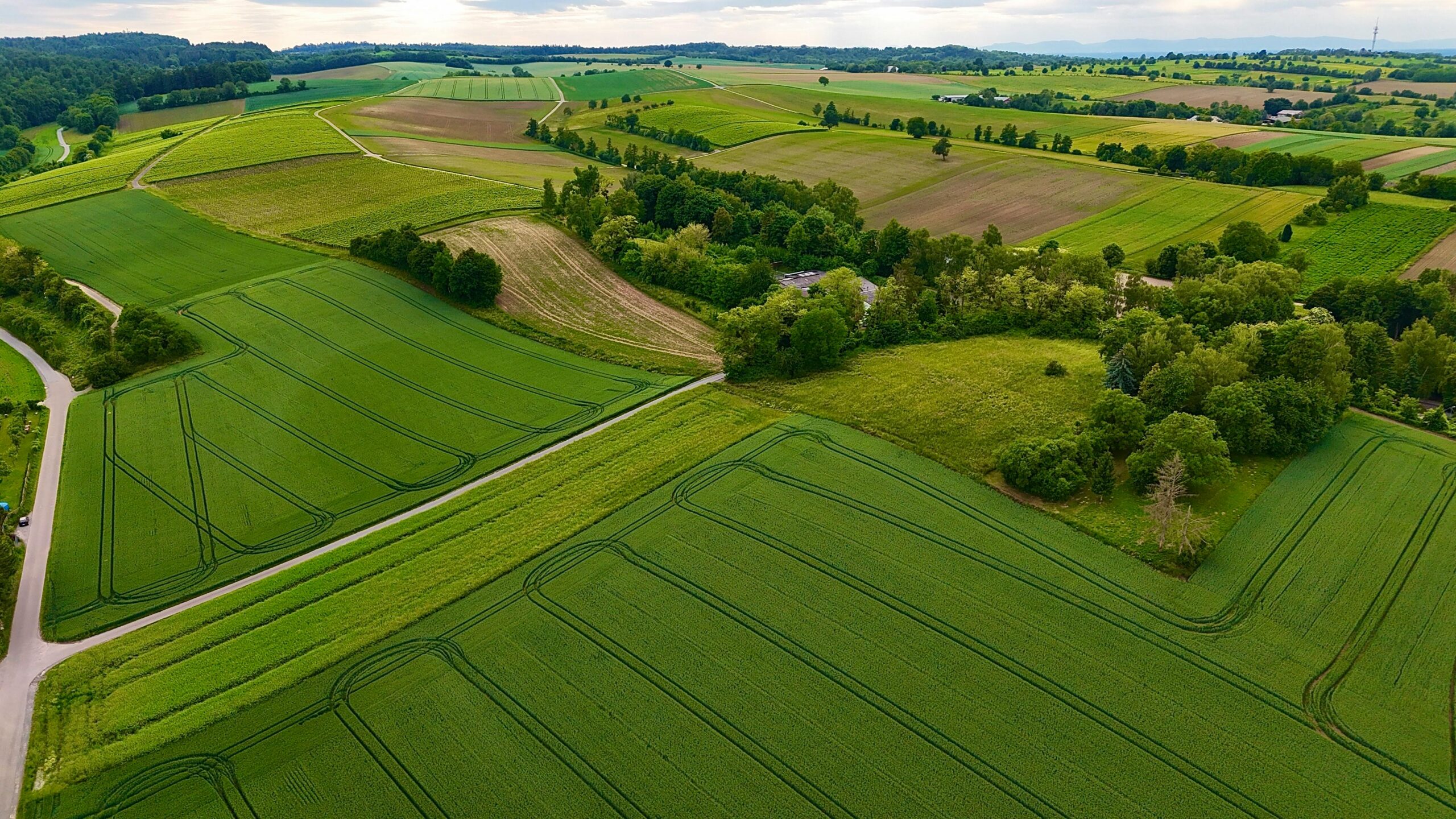
The phrase “passive income” is overused in personal finance culture — applied to everything from dividend stocks (which require active portfolio management) to online businesses (which require continuous content creation and marketing) to rental properties (which require active tenant management). True passive income — income generated entirely without your active time or involvement — is genuinely rare. Managed farmland in Coorg is one of the few investment structures that produces income meeting this standard.
What Makes Coorg Farmland Income Genuinely Passive
When Nature N Me‘s agricultural team manages your plot, every element of income generation happens without your involvement. The team plants the crops, manages irrigation, applies inputs, monitors for pests and disease, coordinates the harvest crew, processes the coffee at the wet mill, grades and bags the produce, sells through established market channels, and deposits the net income into your bank account with a full income statement. You make no decisions in this process, you spend no time on this process, and you are required for none of it.
Compare this to the most common “passive” income alternatives. Dividend stocks require research, portfolio monitoring, reinvestment decisions, and tax management. Rental property requires tenant selection, lease management, maintenance coordination, and periodic renovation. FDs require renewal decisions and reinvestment management at maturity. Even SIP mutual funds require periodic review of fund selection and contribution amounts.
The managed farmland income, after the initial purchase decision and legal process, requires literally nothing from you between annual income receipt. It is the purest form of passive income available from a physical productive asset in the Indian investment landscape.
The Tax Dimension Makes It More Passive Still
A second characteristic that distinguishes managed farmland income from most other passive income forms is the tax treatment. Rental income requires Schedule HP computation and advance tax payments. Dividend income requires disclosure and taxation. FD interest is added to income and taxed at slab rates. All of these create a compliance burden that makes them administratively — if not operationally — requiring ongoing attention.
Agricultural income under Section 10(1) is exempt from income tax. The declaration in the annual return is straightforward — the income is disclosed, the exemption is noted, no tax is computed on it. The administrative burden is minimal relative to other passive income forms, and no advance tax planning is required for the agricultural income component.
The Physical Reality Behind the Passivity
What makes managed farmland income genuinely passive for the investor is not that nothing happens — the farm is the most actively managed thing you own. A professional team is working on it fifty-two weeks a year, making dozens of agricultural decisions, managing weather events, coordinating harvest logistics, and marketing produce. The passivity is from your perspective — you receive the income from this active operation without participating in it.
This is a fundamentally different model from urban rental income passivity, where the tenant’s behaviour, the building’s maintenance, and the market’s rental rate movements are all beyond your control but not managed by anyone on your behalf. In managed farmland, the operational management is delegated completely to a professional team — true management, not just income receipt.
Designing Your Life Around Passive Income
The financial planning aspiration for many investors is reaching a point where passive income from their investment portfolio covers — or materially contributes to — their living expenses, reducing dependence on active income from employment. Coorg farmland contributes to this goal in a specific way: the tax-free agricultural income it generates does not compete with salary income for tax bracket space, does not require any ongoing time investment, and grows as the crops mature and land appreciates.
A professional who builds a ten-acre Coorg farmland position over five years, generating five to eight lakhs per year in fully passive, tax-free agricultural income, has materially reduced their financial dependence on continued employment — a form of financial security that no financial instrument provides in quite the same way.