
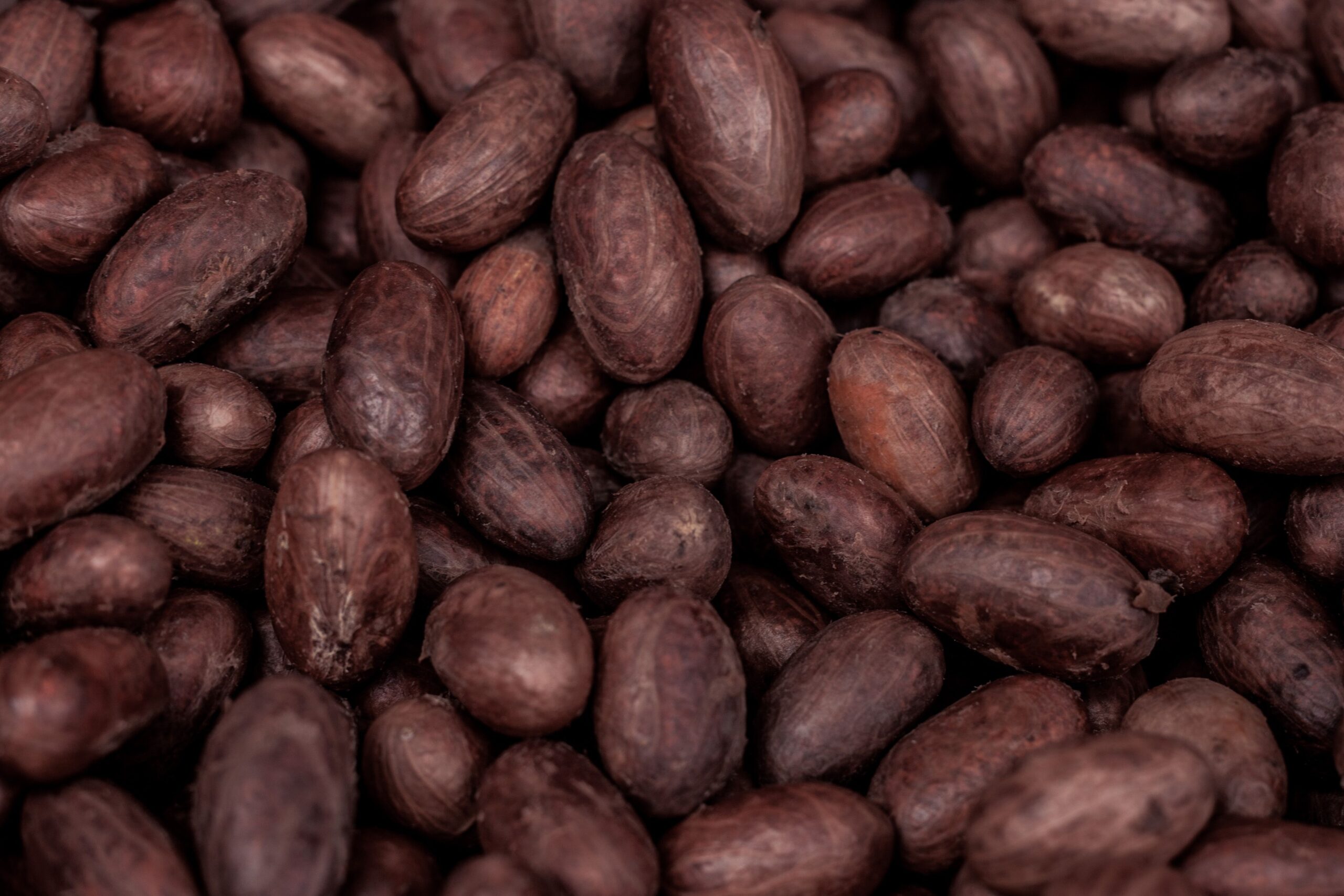
For most of Coorg’s agricultural history, the crop conversation has centred on coffee, cardamom, and pepper — the traditional pillars of Kodagu agroforestry. But a newer crop is gaining ground in the agroforestry systems of Karnataka’s coffee-growing districts, driven by a consumer trend that has transformed urban Indian food culture over the past decade: cocoa.
India’s Craft Chocolate Boom
A decade ago, chocolate in India meant a handful of mass-market brands using imported cocoa. Today, India has a genuine craft and bean-to-bar chocolate movement — companies sourcing domestic cocoa, processing it themselves, and selling single-origin Indian chocolate at premium prices in urban markets. Brands built around Indian-grown cocoa have found enthusiastic audiences in Bangalore, Mumbai, and Delhi, willing to pay significant premiums for traceable, India-grown chocolate.
This shift mirrors what happened with specialty coffee a decade earlier — a domestic premium market emerging around a crop that was previously grown almost entirely for commodity export or domestic mass-market processing.
Why Cocoa Fits Coorg’s Agroforestry Model
Cocoa (Theobroma cacao) is, like coffee, naturally an understorey plant — it evolved in the shaded floor of tropical rainforests and grows best under 50–70% canopy cover. This makes it directly compatible with the shade structure already established on Coorg coffee estates, where silver oak and other canopy trees provide exactly this level of shade.
Cocoa requires temperatures of 21–32°C, high humidity, and consistent rainfall of 1,500–2,500 mm — conditions broadly met by Coorg’s lower-to-mid altitude zones, particularly areas similar to those suited for arecanut cultivation. Higher-altitude Madikeri zones with cooler temperatures are less ideal for cocoa than for coffee, but the lower elevations of Virajpet and parts of Somwarpet present reasonable cocoa-growing conditions.
Cocoa Economics
A mature cocoa tree (year 4–5 onwards) produces 20–30 pods per year, each containing 30–40 beans. After fermentation and drying, this translates to approximately 1–2 kg of dried cocoa beans per tree per year. Indian dried cocoa bean prices have ranged from ₹200–400 per kg for commodity-grade beans sold to large processors, with premium fermented and traceable beans sold to craft chocolate makers commanding ₹400–800 per kg or higher in some direct relationships.
At 100–150 trees per acre in an agroforestry intercrop arrangement, cocoa income potential ranges from ₹40,000–2,40,000 per acre annually depending on tree maturity, processing quality, and market channel — a meaningful addition without requiring dedicated land, similar in logic to how pepper and vanilla integrate into the existing canopy structure.
Processing: Where the Value Lies
Unlike coffee, where post-harvest processing (pulping, washing, drying) is well-established on Coorg estates, cocoa processing — fermentation in particular — is a less familiar skill in the region. Cocoa beans must be fermented for 5–7 days immediately after harvest to develop their characteristic flavour, then sun-dried over 1–2 weeks. Poorly fermented cocoa sells at commodity prices regardless of how well the trees were grown; properly fermented cocoa can access the craft chocolate premium.
This represents both the opportunity and the requirement for any managed farmland incorporating cocoa: the agricultural management team needs to develop or acquire cocoa fermentation expertise specifically, separate from their coffee processing knowledge. Nature N Me evaluates this capability on a plot-by-plot basis where cocoa is being considered as part of the crop mix.
The Direct Relationship Opportunity
India’s craft chocolate makers are actively seeking direct relationships with cocoa growers — they want traceable, single-estate or single-region beans with a story, much as specialty coffee roasters seek single-origin estate coffee. A Coorg estate that can supply well-fermented cocoa beans with documented provenance has access to a market segment that is currently underserved by domestic supply — most Indian cocoa is grown in Kerala, Tamil Nadu, and Andhra Pradesh, with limited Karnataka-origin cocoa available for the craft segment.
An Early-Mover Opportunity
Cocoa in Coorg is not yet a mainstream crop — which is precisely what makes it interesting for investors thinking about differentiation. An agroforestry plot that adds cocoa to its existing coffee, cardamom, and pepper portfolio is positioned to participate in a growing premium market with limited current domestic supply from the region — similar to where Coorg’s specialty coffee positioning was a decade ago, before it became an established premium category.