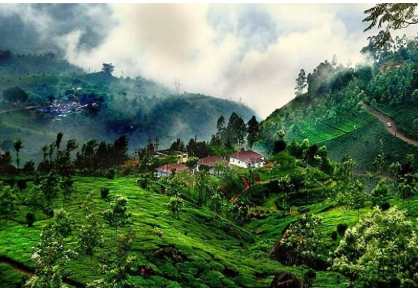
The comparison of Coorg to Scotland has been made so often that it has become a cliché of Indian travel writing — and like most clichés, it persists because it captures something real. Visitors who know both places describe a visual and atmospheric similarity that goes beyond superficial resemblance: the mist-covered hills, the green rolling landscape, the cool humid air, the sense of a landscape managed for centuries by a distinctive regional culture. For farmland investors, this comparison is not merely picturesque — it has practical implications for the kind of destination Coorg is, the quality of life it offers estate owners, and the tourism appeal that drives farmstay income and lifestyle land value.
What the Scotland Comparison Actually Means
Scotland’s landscape appeal is tied to specific qualities: dramatic, green, intimate hills rather than vast flat plains; a cool, mist-prone climate that creates atmospheric visual conditions; cultural distinctiveness that gives the landscape an identity beyond generic natural beauty; and the combination of working agricultural land with wild natural spaces in close proximity. These qualities are what make Scottish landscape one of the most visited and most valued natural environments in Europe — both for tourism and for estate ownership.
Coorg shares each of these qualities in its own Western Ghats idiom. The hills of Kodagu are dramatic but intimate — close-set, covered in coffee and forest, separated by streams running in narrow valleys. The mist that settles in Coorg’s valleys in the early morning and after rain is a defining atmospheric quality — the same quality that characterises Scotland’s glens and that photographers, artists, and lifestyle seekers are drawn to. Kodava culture gives Coorg a specific, distinctive identity — a regional culture, language, cuisine, and aesthetic that differentiates it from a generic hill district. And the working coffee estates, the farms producing real crops, give the landscape a productive depth that pure wilderness landscapes lack.
Why Landscape Character Drives Land Value
Landscape character — the combination of natural beauty, cultural identity, and agricultural distinctiveness — is a primary driver of premium land values in lifestyle destinations globally. Scotland’s estate land commands prices per acre that are multiples of equivalent English or Welsh land not because of agricultural productivity differences but because of landscape premium. The Cotswolds, the Loire Valley, Tuscany — all examples of regions where land commands significant premium above agricultural fundamentals because the landscape itself is a valued asset.
Coorg operates on the same logic within the Indian domestic context. The landscape premium embedded in Coorg farmland values — the portion of the per-acre price that reflects the desirability of owning land in this specific, visually and atmospherically distinctive region — is real and has been growing as urban India’s affluent professional class has discovered Coorg and made it their destination of choice for nature and lifestyle.
The Tourism Multiplier for Estate Owners
Scotland’s landscape character generates a self-reinforcing tourism economy — visitors come for the landscape, the tourism economy builds infrastructure to serve them, better infrastructure attracts more visitors, and the cycle drives up the economic activity (and land values) of the region continuously. Coorg is in this self-reinforcing cycle — domestic tourism has grown significantly, quality farmstay and resort infrastructure has improved, and the region’s national and international profile has risen with specialty coffee recognition and luxury estate accommodation development.
For farmland investors who incorporate farmstay elements into their estate, this landscape premium translates directly into premium pricing — guests pay more per night for a stay on a working coffee estate in misty Madikeri hills than for equivalent accommodation in a less distinctive landscape. The Scotland comparison is not just a travel writer’s metaphor — it is a description of the landscape character that commands the premium your guests are willing to pay.
The Estate Character of Coorg Ownership
Scotland has a long tradition of estate ownership — the country house in its working landscape, the owner’s relationship with the land expressed through management practices and stewardship rather than purely commercial extraction. Coorg’s coffee estate culture has developed a similar ethos through Kodava tradition — the estate as a family asset managed across generations, producing quality produce and maintaining the landscape for future inheritors.
When modern urban investors buy into this tradition through managed farmland in Coorg, they are not merely purchasing agricultural land — they are joining an estate ownership culture with its own character, values, and identity. That culture is part of what makes Coorg farmland a different kind of investment from a plot on the urban periphery.
Contact Nature N Me at naturenme.in or WhatsApp +91 98805 21637 to explore available estates.