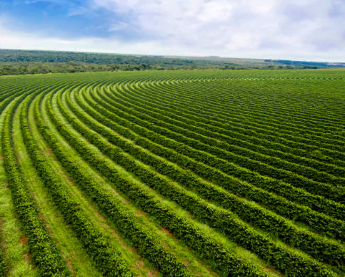
The dream is appealing and widespread: retire to a coffee estate in Coorg, wake up every morning to mist in the valley, supervise the harvest personally, live simply on the produce of the land. Multiple Nature N Me enquiries each month come from professionals who explicitly describe this vision as their motivation for looking at Coorg farmland. This blog addresses that vision honestly — because the gap between the retirement farming fantasy and the practical reality of DIY land management in Karnataka is substantial, and understanding it helps investors make the right decision about how to structure their farmland ownership.
What the Fantasy Assumes
The retirement farming vision typically assumes that managing a coffee and spice estate is a learnable skill that a motivated, intelligent person can acquire in a short period, that agricultural labour in Coorg is readily available and reliably managed by a non-specialist, that the physical demands of farm work are compatible with a retirement lifestyle, that crop markets are accessible without established relationships and commercial experience, and that the lifestyle of daily farm management will feel as peaceful and fulfilling as periodic farm visits do.
Each of these assumptions deserves scrutiny.
The Reality of Agricultural Management
Coffee estate management is a skilled profession developed over years of practical experience in a specific place. Understanding precisely when to harvest — which cherries are at peak ripeness and which need another week — requires visual judgment that experienced pickers develop across multiple seasons. Recognising the early signs of coffee leaf rust before it becomes a serious outbreak, knowing which section of the farm is most susceptible and why, and timing the copper application correctly requires knowledge of the specific farm’s microclimate and disease history.
A retired IT professional who arrives in Coorg with enthusiasm and management experience from a corporate career starts with zero of this knowledge. This is not a criticism — it is simply the reality that agricultural expertise in a specific crop and location is as specialised as any professional skill, and it takes years rather than months to develop.
The Labour Management Reality
Agricultural labour management in Coorg is a relationship business. The workers who harvest your coffee are known to the farm manager, who has worked with them across multiple seasons and knows their capabilities, reliability, and the management approaches that motivate them. A new estate owner attempting to source and manage seasonal harvest labour independently, without existing relationships or fluency in Kannada and Kodava work culture, will face significant practical difficulties in the critical harvest window when labour timing determines crop quality and income.
The farm manager’s local network — built across years of estate work — is an asset that cannot be quickly replicated by an incoming owner.
The Physical Reality of Retirement Farm Life
The romantic vision of farming involves pleasant outdoor time. The actual daily reality of estate management involves physical work in conditions that range from pleasant to challenging — hot May afternoons, monsoon rain, early morning starts during harvest, carrying equipment up steep slopes. For a retired professional who has spent a career in air-conditioned offices, the physical adjustment required for active farm management is more demanding than anticipated.
This is not an argument against visiting and engaging with your farm — visits are wonderful and personally rewarding for exactly the reasons described elsewhere in this blog series. It is an argument against the specific assumption that you will personally manage the agricultural operations of your estate.
What Managed Farmland Gives You Instead
The managed farmland model provides everything the retirement farming vision seeks — connection to the land, personal ownership of a beautiful estate, visits whenever you choose, agricultural produce from your own soil — without the operational burden that makes DIY farming impractical for most urban professionals.
You own the land. You visit it. You know the farm manager personally. You watch the harvest through photographs and in-person visits. You receive the crop income. The estate is yours in every meaningful experiential sense — without the full-time agricultural work that the fantasy version of the retirement farm requires but that the operational reality of estate management actually demands.
Several Nature N Me investors who initially approached the investment with a DIY management intention have described reaching the same conclusion after their first dry season on the estate — the visit is wonderful, the management is better left to the team.