One of the less-discussed assets of investing in managed farmland in Coorg is the agricultural wisdom of the region itself — the accumulated knowledge of Kodava farming families who have cultivated the same land for three, four, and sometimes five generations, developing practices suited to the Western Ghats that no university research program could have designed from first principles. For modern farmland investors, understanding what these generational farmers know and how that knowledge shapes estate management provides important context for why Coorg-specific agricultural management is different from generic farming advice.
The Generational Knowledge Base
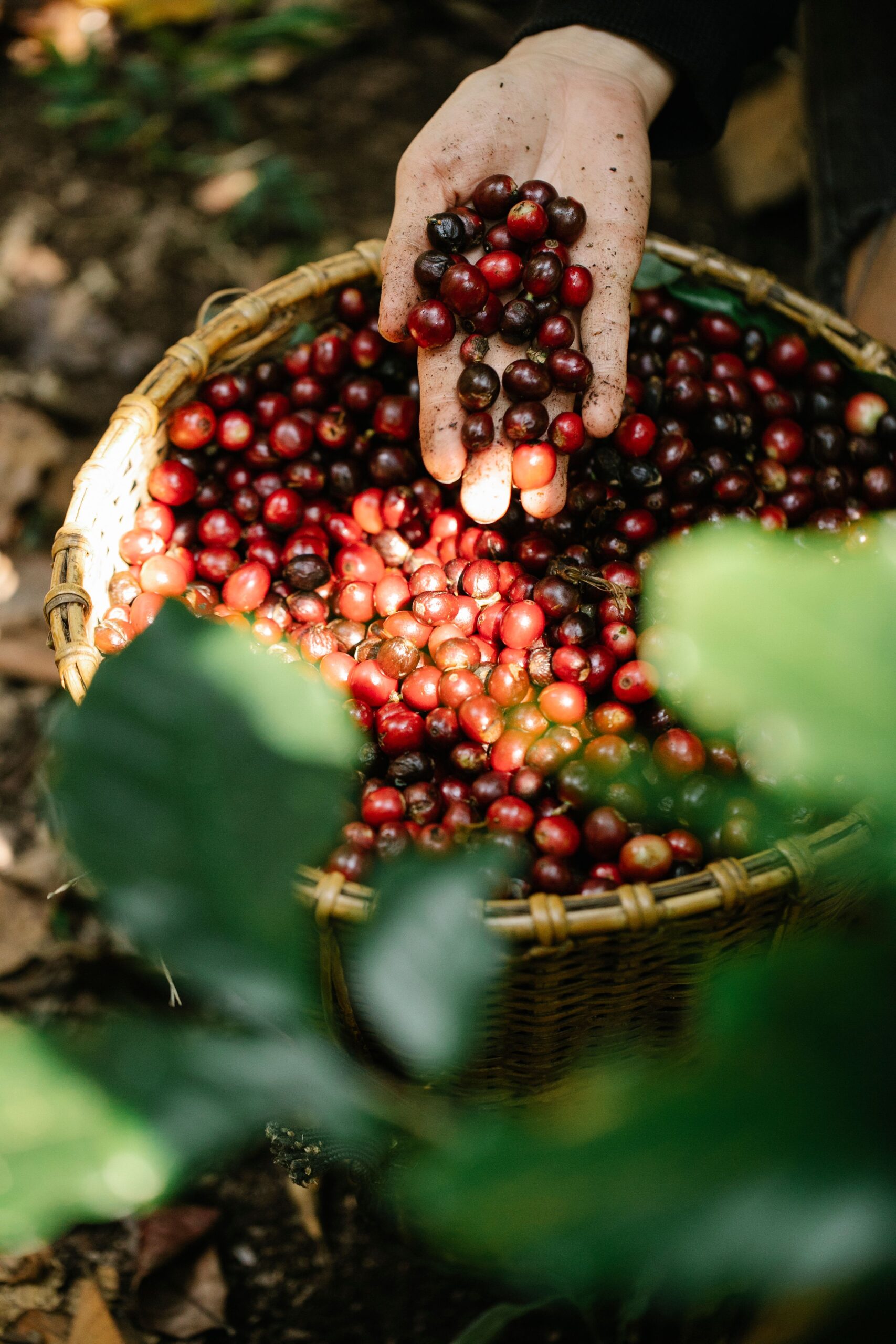
A Kodava coffee estate that has been farmed by the same family since the 1890s carries roughly one hundred and thirty years of observed experience — which soils produce the best cardamom, which slopes drain well in heavy rain, which shade tree density keeps coffee healthy through drought years, which months the coffee berry borer pressure peaks and what responses work. This experiential knowledge is not written in manuals — it is carried in the practices, schedules, and instincts of the farm workers and managers who have learned from the generation before them.
Nature N Me’s agricultural management team includes individuals from Kodagu’s farming community with this generational knowledge embedded in their professional practice. The planting recommendations, irrigation schedules, and crop care protocols they follow are not derived solely from government agricultural extension advice — they reflect the accumulated practical wisdom of a farming culture that has been successfully managing the same ecosystem for over a century.
What Traditional Kodava Farming Understood About Agroforestry
Traditional Kodava coffee estate management was practicing what is now called agroforestry long before the term existed in academic literature. The shade-grown coffee system — combining coffee with silver oak, pepper climbing on host trees, cardamom in the understorey, and fruit trees interspersed throughout — was developed by Kodava farmers not because of modern agroforestry science but because it worked. The system that university researchers now document as a model of sustainable multi-layer land use was developed empirically, through observation and adaptation, by generations of farmers who noticed that shade-grown coffee stayed healthier through droughts, that pepper on the same trees meant one worker could manage two crops simultaneously, and that cardamom under shade produced better quality than cardamom in open sunlight.
Modern agroforestry science has validated these traditional practices with controlled research — and in doing so has confirmed that Coorg’s traditional estate management was solving the right problems in the right ways.
The Long View on Soil
Traditional Kodava farming families think about their soil on a generational timescale that is completely absent from quarterly-return-focused investment culture. A practice that improves soil fertility over twenty years at the cost of some short-term yield is not a trade-off that quarterly financial reporting allows — but it is exactly the kind of trade-off that families farming the same land across generations naturally make. The coffee growing on Coorg’s traditional estates today is benefiting from soil improvement practices initiated by the grandparents of current farmers.
For modern investors who own Coorg farmland for ten to twenty years rather than across generations, this long-view soil management philosophy still pays dividends within the investment horizon. An estate managed with the long-view practices of Kodava farming tradition — composting, mulching, careful canopy management — will have measurably better soil and crop performance by year ten than one managed for short-term yield maximisation.
What Modern Investors Can Learn
The most practical lesson from Kodagu’s generational farming tradition for modern investors is patience — not as a passive acceptance of slow progress but as an active strategy of choosing practices that compound over time rather than practices that extract maximum short-term value. The teak trees that are planted today in the same field as next season’s coffee crop will be worth more than the coffee yield of any single year when they are harvested in twenty years. The compost applied this year will improve next year’s yield, and the year after, and the year after that — compounding in soil health exactly as financial investment compounds in value.
The generational farmers of Kodagu did not need a financial advisor to explain compound returns. They lived them, in the soil they farmed and the trees they planted for their children.
Contact Nature N Me at naturenme.in or WhatsApp +91 98805 21637.