One of the defining characteristics of a well-managed agroforestry estate in Coorg is that almost nothing leaves the farm as waste. The husks and pulp from coffee processing, the pruned branches from silver oak trees, the fallen leaves from the canopy, and the spent cardamom plants from the understory are all organic materials that, on a conventional farm, might be burned or discarded. On a Nature N Me managed farmland plot, these materials are converted into compost — returning their nutrients to the soil and reducing the need for purchased fertiliser inputs.
What Coffee Pulp Composting Looks Like
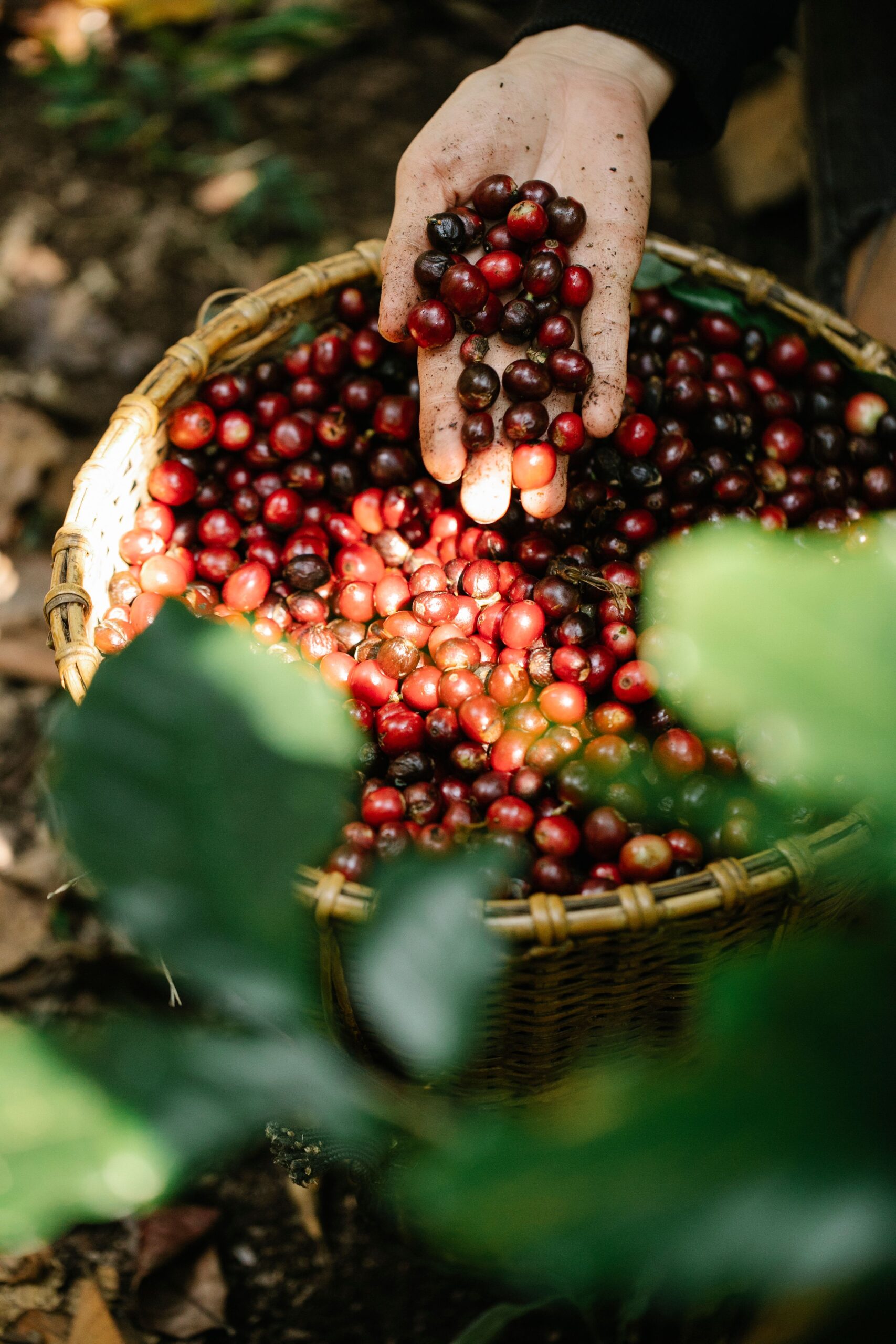
The coffee cherry, after passing through the pulping machine at harvest, produces two outputs: the coffee bean (which continues through processing and eventually to market) and the coffee pulp — the outer skin and mucilage layer removed during pulping. Coffee pulp is produced in large volumes during harvest — for every kilogram of dried coffee produced, approximately four to five kilograms of wet pulp is generated. This pulp is rich in organic matter, nitrogen, and potassium, making it an exceptionally valuable composting feedstock.
On a managed estate, coffee pulp is collected and composted in dedicated compost pits or windrows, typically combined with dried leaves, wood ash, and other available organic materials to achieve the carbon-to-nitrogen ratio that promotes rapid, complete decomposition. The composting process takes three to six months under Coorg’s humid conditions, yielding a dark, crumbly, nutrient-rich compost that is applied back to the coffee rows and cardamom beds during the following growing season.
The Nutrient Cycling Benefit
The significance of this composting cycle is both agricultural and financial. Agriculturally, returning coffee pulp nutrients to the soil maintains the fertility that high-yield coffee production requires — nitrogen for vegetative growth, potassium for fruit development, and phosphorus for root health are all present in well-made coffee pulp compost. Financially, every kilogram of compost applied to the farm is a kilogram of commercial fertiliser that does not need to be purchased — directly reducing the management costs that are deducted from gross crop income before the net income is calculated and paid to investors.
On a five-acre estate producing five hundred kilograms of dried coffee per year, the associated pulp volume is approximately two and a half tonnes of wet pulp, yielding perhaps five hundred kilograms of finished compost. At commercial fertiliser equivalent prices, this represents a meaningful input cost saving — and the soil health benefits of organic compost extend beyond simple nutrient provision, improving soil structure, water retention, and microbial activity in ways that purchased chemical fertilisers do not replicate.
Silver Oak Leaf Litter: The Year-Round Composting Input
Beyond harvest-generated pulp, Coorg’s coffee estate canopy provides a continuous input of organic matter throughout the year — silver oak leaf litter, pruning debris, and fallen branches from canopy management. These materials, combined with any kitchen or processing waste from the estate, feed a composting system that operates year-round rather than only during the harvest season.
The silver oak’s leaf litter is particularly valuable because silver oak is a nitrogen-fixing species — its leaves carry a higher nitrogen content than most non-leguminous tree leaves. As these leaves decompose on and into the soil, they contribute to the soil organic carbon levels that are one of the key indicators of long-term soil fertility, as discussed in our earlier post on reading soil test reports.
Vermicomposting: The Premium Input
Some Nature N Me managed farmland estates use vermicomposting — composting with earthworms — as a higher-grade organic input production system alongside standard composting. Earthworm castings (vermicompost) contain higher concentrations of plant-available nutrients than standard compost and are particularly valued for application to cardamom, which is sensitive to soil fertility and rewards high-quality organic inputs with improved capsule density and quality.
Vermicompost beds on the estate use coffee pulp, kitchen waste, and cow dung (where available) as feedstock, with earthworm populations maintained in shaded, moist conditions suited to Coorg’s climate. The resulting vermicompost is applied to the most valuable crop areas — cardamom understory and bearing-age coffee plants — where its premium nutrient profile has the most direct impact on crop income.
Why This Matters for Long-Term Investment Value
An estate whose soil is continuously fed with high-quality organic inputs becomes progressively more productive over time — a genuine example of an asset improving with use rather than depreciating. This stands in direct contrast to chemically farmed land, whose soil progressively degrades as organic matter declines and dependence on purchased inputs increases. A Coorg farmland estate managed with a serious composting program is building soil capital with every harvest cycle — and that soil capital is a real component of the estate’s long-term agricultural and financial value.