Every agricultural investment carries agricultural risk — and for coffee in Coorg, two threats deserve specific attention from investors who want to understand what their farm management team is protecting against: coffee berry borer and coffee leaf rust. These are the most economically significant pest and disease challenges facing Coorg coffee producers, and the way an estate management team handles them is a direct indicator of management quality and crop income reliability.
Coffee Berry Borer: The Primary Pest Threat
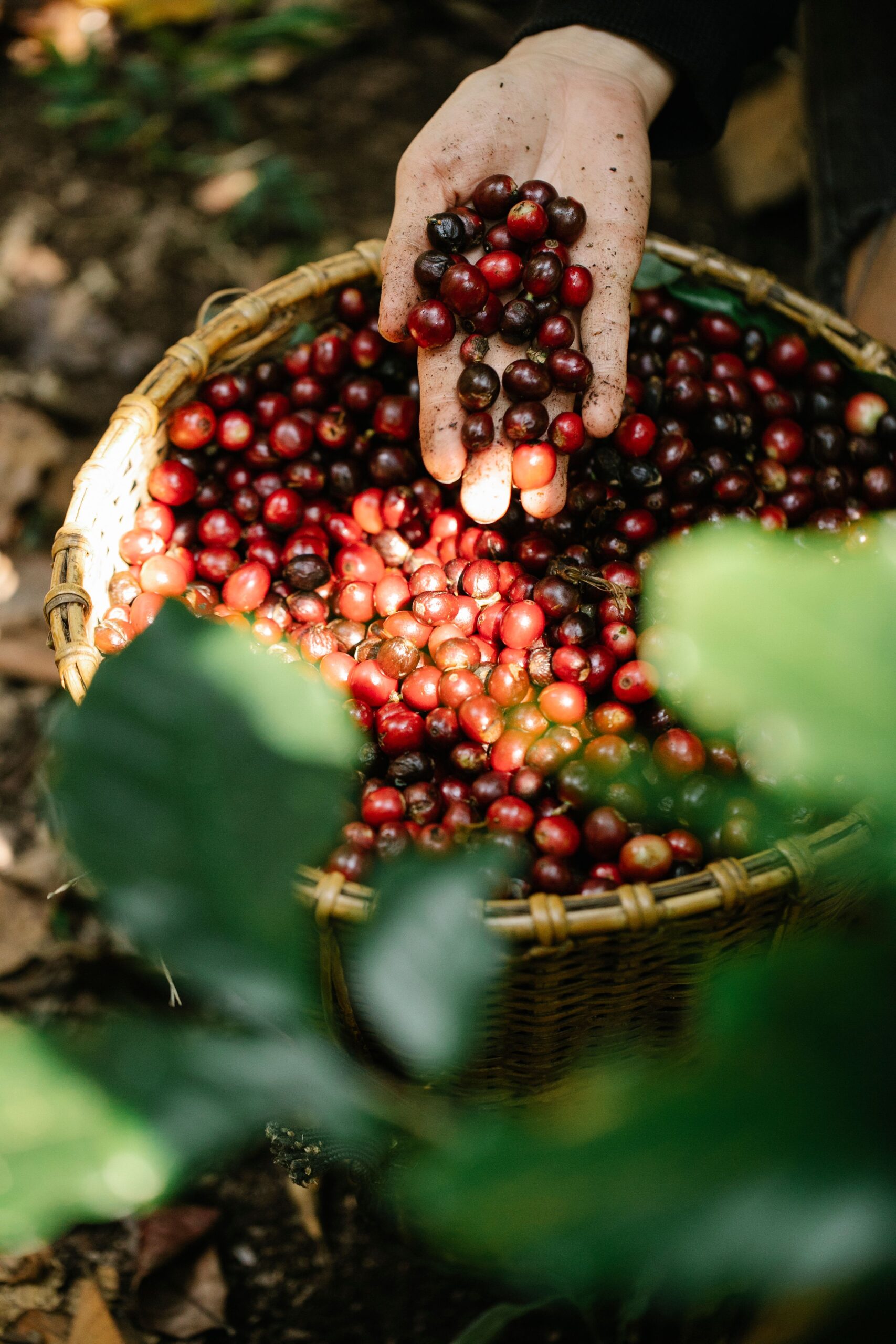
Coffee berry borer (Hypothenemus hampei) is a tiny beetle — barely two millimetres long — that is the most destructive coffee pest globally. The female bores a small hole into the coffee cherry and lays eggs inside the bean. The larvae develop within the bean, consuming it from the inside, and the emerging adults bore exit holes before moving to new cherries. An infested cherry produces a bean with physical holes and chemical changes that dramatically reduce its cup quality and therefore its commercial value.In Coorg‘s high-humidity environment, coffee berry borer (locally called CBB or by its Kannada name) populations can build up rapidly during the cherry ripening season if not actively managed. A poorly managed estate in a heavy CBB year can lose twenty to forty percent of harvestable yield to infestation damage — a massive reduction in crop income that is entirely preventable with good management.
The primary management tools are cultural, biological, and limited chemical intervention used judiciously. Timely and complete harvesting is the single most effective tool — CBB larvae overwinter in unharvested cherries left on the plant or fallen on the ground, providing the breeding population for the following season. Estates that harvest completely and promptly, and clean up fallen cherries from the ground, dramatically reduce CBB pressure compared to estates with incomplete harvests. Biological control using the parasitoid wasp Cephalonomia stephanoderis and the entomopathogenic fungus Beauveria bassiana is effective and increasingly used in organic-aligned management systems, providing CBB suppression without chemical residues that would affect organic or specialty market positioning.
Coffee Leaf Rust: The Disease That Transformed Global Coffee
Coffee leaf rust (Hemileia vastatrix) is a fungal disease that produces characteristic orange-yellow powdery patches on the undersides of coffee leaves. Severe infections cause leaf drop, weakening the plant and reducing photosynthetic capacity, which directly reduces the following season’s yield. Leaf rust was responsible for the destruction of Sri Lanka’s entire coffee industry in the nineteenth century — leading to the island’s famous switch to tea — and remains a major threat to Arabica coffee globally.
Coorg’s Arabica-growing elevations are susceptible to leaf rust, particularly during high-humidity periods. However, the disease is very manageable with appropriate preventive intervention. Copper-based fungicide sprays applied prophylactically before the monsoon — the period of highest rust risk — are the standard management tool on conventional estates. Organic-aligned management uses copper hydroxide or Bordeaux mixture, which are permitted in many organic certification frameworks, applied at the onset of wet conditions.
Shade management also influences rust risk — properly managed shade canopy reduces humidity extremes that favour rust development, while also slowing its spread. Estates with well-managed canopy and timely copper intervention maintain rust pressure at subclinical levels that do not significantly affect yield.
What Good Estate Management Looks Like
An estate management team that knows its coffee pest calendar — when to apply preventive treatments, when to conduct CBB monitoring, when to initiate harvest to minimise borer infestation — is managing agricultural risk actively rather than reactively. The difference between reactive management (treating a problem after it has caused yield loss) and preventive management (preventing yield loss through timely intervention) is measurable in crop income.
Nature N Me’s agricultural management follows a seasonal crop protection calendar calibrated to Coorg’s specific disease and pest pressure windows. When investors receive monthly farm updates, any pest or disease observations and management responses are documented and communicated — providing a transparent record of how agricultural risk is being managed on their specific plot.
What Investors Should Ask About Pest Management
When evaluating any managed farmland plot or operator, ask specifically: what was the CBB infestation rate on this plot in the last harvest season, and what management interventions were applied? Has this plot experienced significant leaf rust in the past three years, and what was the management response? What crop protection calendar does your team follow, and who makes the decisions about intervention timing?
A management team that can answer these questions specifically and accurately is a team that is genuinely managing the agricultural risk on your investment. One that provides vague reassurances without operational specifics has less credible evidence of active management.