
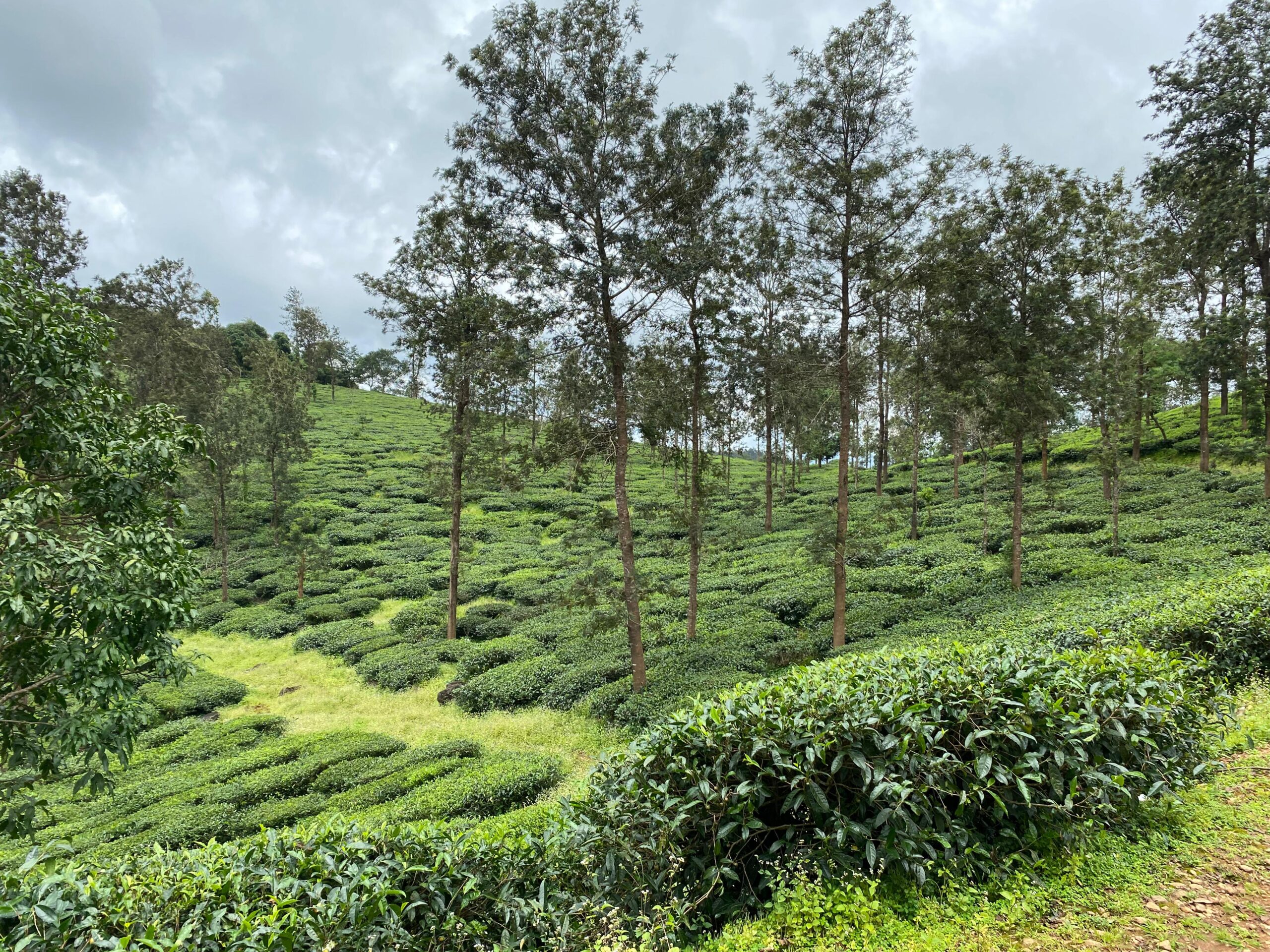
Karnataka’s agricultural land record system — despite the significant digitisation achieved through the Bhoomi portal — retains a critical human element at the village level: the village accountant, known in Karnataka as the Revenue Inspector or Gramakaryalaya Officer. For any investor involved in buying or owning agricultural land in Coorg, understanding the village accountant’s role demystifies several aspects of the land record process that can otherwise seem opaque.
Who the Village Accountant Is
The village accountant is a state government employee assigned to a specific cluster of villages (a hobli) within a taluk, responsible for maintaining all revenue records for agricultural land within that jurisdiction. In Karnataka’s land administration hierarchy, the village accountant sits under the Revenue Inspector, who reports to the Tahsildar (the head of taluk revenue administration).
The village accountant’s jurisdiction typically covers several hundred agricultural land holdings — every survey number in their hobli is their administrative responsibility. They are often the only government official with direct, ground-level knowledge of specific land parcels — which boundaries are disputed in practice, which streams actually flow perennially versus seasonally, which plots have encroachment issues that have not yet appeared in formal records.
What the Village Accountant Does
The village accountant maintains and updates the RTC (Record of Rights, Tenancy and Crops) — the foundational document for every agricultural land parcel in Karnataka, discussed extensively in our legal due diligence guide and glossary posts. Key functions include processing mutation applications when land changes ownership, recording annual crop data in the RTC based on field observation (the “crops” component of the RTC), verifying and countersigning applications for various government schemes relevant to farmers, and providing certified copies of RTCs and other village records to landowners.
Why Mutation Requires the Village Accountant’s Involvement
After you purchase agricultural land in Coorg and your sale deed is registered at the sub-registrar’s office, the next step — mutation — requires the village accountant’s active involvement. The mutation application is submitted to the Tahsildar’s office for the relevant taluk, but the field verification (confirming that the sale deed corresponds to the correct physical plot and that there are no on-the-ground disputes about the transaction) is conducted by the village accountant, who then recommends approval of the mutation.
Without the village accountant’s field verification and recommendation, mutation cannot be completed — which is why the mutation process typically takes 4–8 weeks rather than being instantaneous, and why established relationships between managed farmland operators and local revenue officials matter for ensuring smooth processing.
The RTC Crop Update Process
The “crops” section of the RTC — recording what crops are currently cultivated on the land — is updated by the village accountant through periodic field inspection. For a managed farmland plot that has undergone new planting (new coffee plants, cardamom, fruit trees), it is worth ensuring that the RTC crop records are updated to reflect the current crop composition, as this establishes the agricultural use of the land and its status as actively cultivated agricultural property.
Nature N Me‘s management team coordinates with local village accountants to ensure crop records are current on investor plots, which is part of routine estate management.
What Investors Should Know About Interacting with Village Accountants
For investors doing their own due diligence on a plot, a visit to the village accountant’s office (gramakaryalaya) to verify the current RTC in person is a valid and useful step — one that Nature N Me’s legal team does as standard, but that investors can also request independently. The village accountant can provide the current certified RTC extract, confirm whether any pending applications (mutations, encumbrances) exist for the plot, and answer basic questions about the land record history.
All communications with village accountants in Karnataka are typically in Kannada — which is one reason that working with an established local managed farmland operator with existing relationships in the local revenue administration is valuable for investors who do not speak Kannada or are not based in Karnataka.
Understanding who the village accountant is and what they do transforms what might seem like an opaque government process into a comprehensible administrative structure — and helps investors ask the right questions at the right stage of their due diligence.
Disclaimer
The information provided in this article is for general informational and educational purposes only and does not constitute formal legal, financial, or real estate advice. While every effort is made to ensure accuracy regarding Karnataka land revenue administrative processes, local regulations and procedures (including RTC updates and land mutations) may vary or update over time. Readers and potential farmland investors are strongly advised to conduct independent legal due diligence and consult with a qualified attorney or revenue professional before entering into any land transactions.
Frequently Asked Questions
Q: Who is a Village Accountant in Karnataka?
A: A state government revenue official assigned to a cluster of villages (hobli) who maintains land revenue records, conducts field verifications, and possesses direct local knowledge of land parcels.
Q: What is the primary revenue document managed by the Village Accountant?
A: The RTC (Record of Rights, Tenancy and Crops), which details land ownership, tenancy, and crop cultivation data.
Q: Why is the Village Accountant essential for land mutation after purchase?
A: They perform mandatory on-the-ground field verifications to ensure the sale deed matches the physical plot and that no local disputes exist before recommending mutation approval.
Q: Why does the mutation process take 4 to 8 weeks?
A: The delay occurs because it requires physical field inspection and recommendation by the Village Accountant rather than immediate automatic processing.
Q: Why is updating the crop section of the RTC important for farmland owners?
A: Recording current crop composition (e.g., coffee, cardamom, fruit trees) legally establishes the land’s active agricultural status and ongoing usage.
Q: Can investors visit the Village Accountant directly for due diligence?
A: Yes, investors can visit the village office (gramakaryalaya) to inspect certified RTC extracts, check for pending applications or encumbrances, and review land history.
Q: What is a common hurdle for non-local investors dealing with Village Accountants?
A: Official communications and records are typically in Kannada, making local operational support or representation helpful for non-native speakers.