
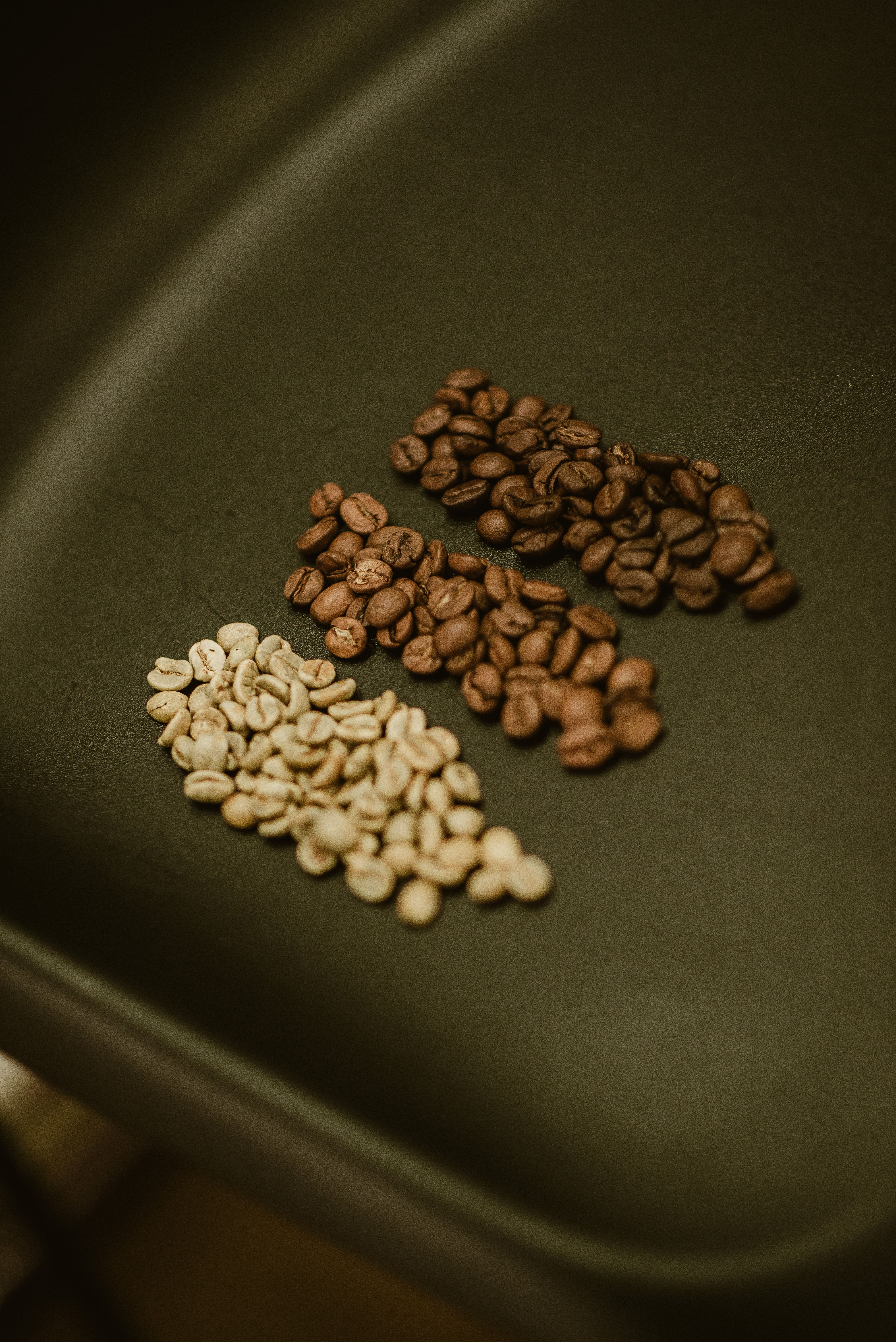
Anyone researching Coorg farmland investment will encounter both Arabica and Robusta coffee mentioned — sometimes interchangeably, as though they are simply two flavours of the same crop. They are not. Arabica (Coffea arabica) and Robusta (Coffea canephora) are different species with substantially different growing requirements, price points, and market positioning. Understanding the difference is essential to understanding what you actually own on a Coorg coffee plot.
Botanical and Growing Differences
Arabica is the more demanding of the two species. It requires higher altitudes (typically above 900 metres for quality production), cooler temperatures (15–24°C optimal), more rainfall with good distribution, and is more susceptible to pests and diseases — particularly coffee leaf rust and coffee berry borer. Its growing cycle from flowering to ripe cherry takes approximately 7–9 months.
Robusta is hardier — it tolerates lower altitudes (typically below 900 metres performs well, though it can grow higher), warmer temperatures (24–30°C optimal), is more resistant to pests and diseases, and has a slightly faster growing cycle (approximately 9–11 months from flowering, but with higher overall yield per plant). Robusta plants are also generally higher-yielding per hectare than Arabica.
The Flavour and Quality Difference
This is where the species diverge most dramatically in commercial terms. Arabica beans contain less caffeine but more sugar and aromatic compounds, producing a smoother, more complex flavour profile with acidity, sweetness, and varied tasting notes — the profile that specialty coffee culture celebrates and that commands premium prices.
Robusta beans contain roughly double the caffeine of Arabica, less sugar, and produce a stronger, more bitter, harsher flavour with less complexity. Robusta is traditionally used in espresso blends (for body and crema), instant coffee, and commodity blends rather than being showcased as a single-origin specialty product.
The Price Differential
This flavour difference translates directly to price. Specialty-grade Arabica from Coorg can sell for ₹300–600 per kg of green beans in premium channels, with exceptional lots reaching higher. Commodity Arabica sells at ₹250–350 per kg. Robusta typically sells at ₹150–250 per kg — roughly half to two-thirds the price of Arabica for equivalent grades, reflecting its position in commodity and blend markets rather than specialty positioning.
This price differential is the single most important factor in understanding the income potential of any specific Coorg coffee plot — and it is directly tied to altitude and growing zone.
What This Means by Region Within Coorg
As covered in our earlier guide to Madikeri, Virajpet, and Somwarpet, altitude varies significantly across Kodagu district. Madikeri’s higher elevations (1,000–1,700 metres) are predominantly suited to Arabica — and this is reflected in the crop composition of estates in this zone, including most of Nature N Me’s primary project areas.
Lower-altitude zones in Virajpet and parts of Somwarpet (600–900 metres) often grow Robusta, sometimes alongside arecanut and other crops better suited to warmer conditions. Neither variety is “better” in absolute terms — they are suited to different elevations and serve different markets. But for an investor evaluating income potential, the Arabica-Robusta composition of a plot is a direct driver of the coffee crop’s per-kilogram value.
Mixed Plantings and Transitional Zones
Some mid-altitude Coorg estates (800–1,000 metres) grow both varieties in different sections of the same estate, taking advantage of microclimate variation across slopes and elevations within a single plot. South-facing slopes that receive more direct sun and warmth might support Robusta, while north-facing or higher sections of the same plot support Arabica.
This mixed approach can be a sensible risk-management strategy — Robusta’s hardiness provides a more stable yield baseline (it is less affected by disease outbreaks and weather variability that can significantly impact Arabica yields in a bad year), while Arabica provides the higher-value upside.
What to Ask About Coffee Composition
When evaluating any Coorg farmland plot, ask specifically: what percentage of the coffee planting is Arabica versus Robusta, and what is the elevation of the plot? This single question tells you more about the coffee income potential than almost any other factor — an estate that is 100% high-altitude Arabica has a fundamentally different income profile than one that is predominantly Robusta, even if the total number of coffee plants is identical.
Nature N Me’s project areas in Madikeri are predominantly Arabica-suited elevations, reflecting our focus on the premium end of Coorg’s coffee market. To understand the specific coffee composition of available plots, contact us at naturenme.in or WhatsApp +91 98805 21637.