
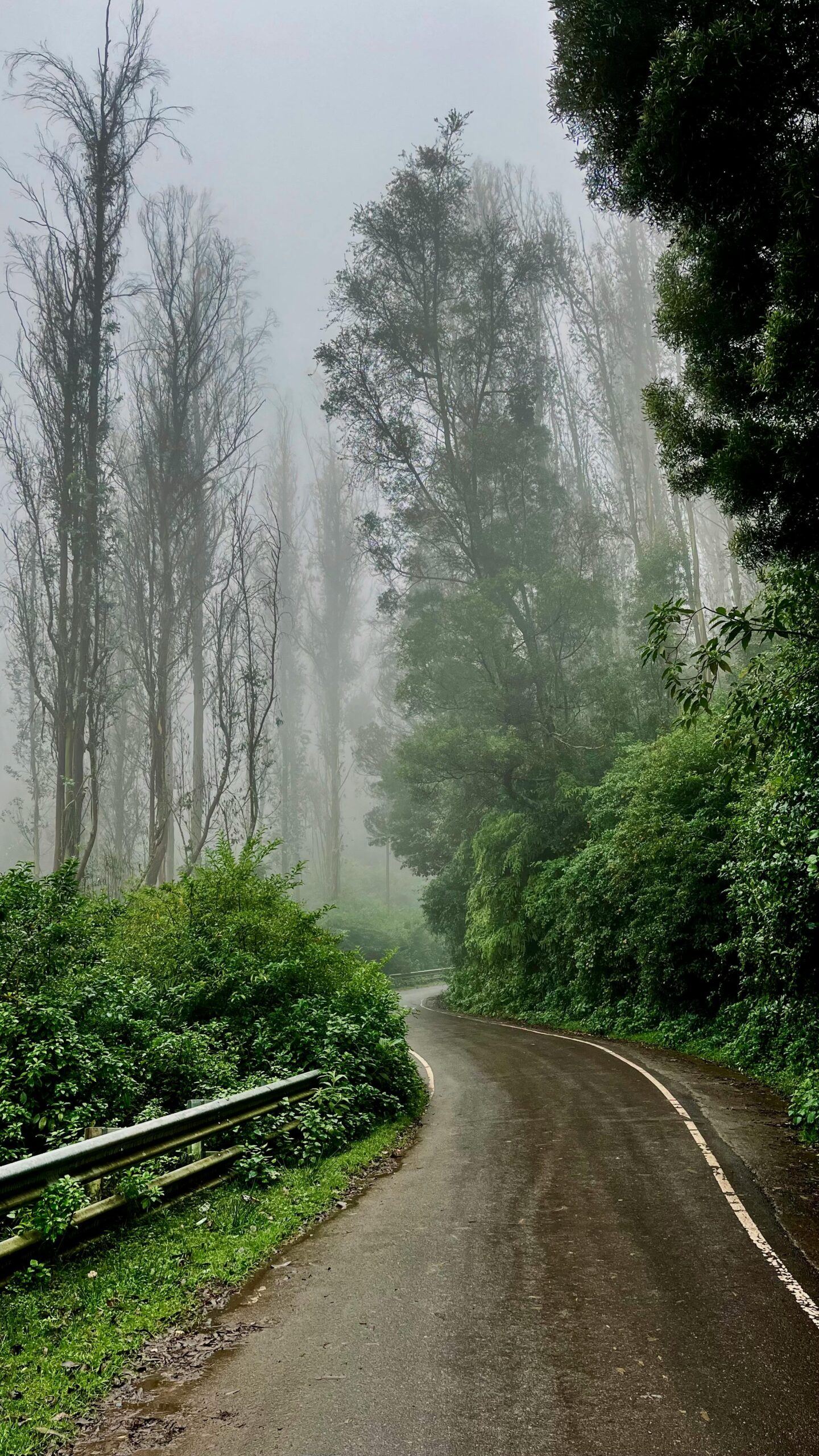
The conventional wisdom about visiting Coorg is consistent and almost universally repeated: go between October and March, avoid the monsoon, the roads are difficult, the rain is relentless, and there is limited outdoor activity. For a tourist at a resort, this advice makes sense. For a farmland investor who wants to truly understand their asset, a monsoon visit to Coorg may be the single most revealing trip you make.
What the Monsoon Reveals That the Dry Season Hides
Between October and March — peak tourist season — Coorg is undeniably beautiful. The harvest is underway, the skies are clear, the waterfalls have receded to gentle flows, and the coffee estates are bustling with activity. It is the most photogenic time, and the most comfortable for visitors.
But the monsoon, from June to September, reveals the agricultural reality that makes Coorg farmland the investment it is. Specifically, a monsoon visit shows you whether your farm’s water management systems actually work under real conditions, how your soil handles intense rainfall — whether it drains well or pools, whether topsoil is retained or erodes, whether the bunding and terracing your management team has built is functioning correctly. It shows the actual density and health of your shade canopy — a healthy, well-managed canopy deflects monsoon rainfall evenly across the understorey without damaging crops below. And you see the streams on and around your property in full flow — confirming their year-round nature and understanding the water access that defines your farm’s long-term productivity.
The Landscape Transformation
If you have only seen your Coorg farmland in the dry season, you have not seen it at its most dramatic. The Western Ghats monsoon transforms the landscape in ways that photographs struggle to capture. Every surface turns intensely green — coffee bushes dense and glistening, shade trees rustling in the rain-cooled breeze, streams running full over mossy rocks, mist moving through the valley below your estate.
Abbey Falls near Madikeri — visible from certain estate locations — becomes a thundering cascade rather than the modest flow of the dry season. The rivers running through the Coorg valley are at their most powerful. The forest fragrance — wet earth, coffee leaves, cardamom, and the distinctive mineral smell of laterite soil after rain — is something visitors consistently describe as one of their most vivid sensory memories of Coorg.
Practical Guidance for a Monsoon Farm Visit
A monsoon visit to your Coorg estate requires different preparation than a dry season trip. Roads in Coorg are generally well-maintained on the main NH-275 corridor, but estate access roads — earthen or gravel tracks to specific plots — can be slippery and require a vehicle with good ground clearance. A 4-wheel drive or high-clearance SUV is recommended for on-farm movement.
Pack for sustained rain — quality waterproof jacket, rubber boots or waterproof trekking shoes, and a change of dry clothes. Mobile network coverage varies — Jio and BSNL have wider rural coverage in Coorg than Airtel in some zones, though all networks are patchy in narrow valleys.
The farm manager should accompany the visit — they understand which access routes are passable after heavy rain and can guide you through the estate to observe the specific points of agricultural interest most relevant to the current season.
What to Observe on a Monsoon Farm Visit
Walk the perimeter of your plot and check whether boundary markers are visible and undisturbed. Observe the slope drainage — is water moving off the plot cleanly, or pooling in areas that could damage roots? Check coffee plant health — look for signs of fungal disease (black rot, coffee leaf rust) which are more prevalent in high-humidity conditions and require timely management response. Observe the shade canopy density — too dense and the understorey is deprived of light; too sparse and rain beats directly onto coffee bushes. Check the bore well or stream access point to confirm water is flowing cleanly. If a check dam or water storage structure exists on your plot, inspect it at capacity — this is the only time of year you can see it functioning as designed.
Why Monsoon Visits Build Investor Confidence
Investors who visit their Coorg farmland only during harvest season see the best of the estate — active, productive, and photogenic. Investors who also visit during the monsoon see the agricultural truth: how the land handles stress, how the management team responds to seasonal challenges, and whether the natural water advantage that defines Coorg’s investment case is as real as represented.
The investors who develop the deepest confidence in their Coorg farmland are those who have seen it across seasons. A monsoon visit is not an ordeal — it is an education.