
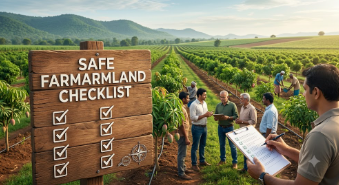
The managed farmland investment category in India is growing rapidly, and with growth comes variation in quality. Some operators have been running managed farms for decades with deep agricultural expertise and transparent legal practices. Others are newer entrants with stronger marketing than operational substance. Knowing how to tell them apart before you invest is essential.
Here are eight specific things to evaluate when considering any managed farmland company in India.
1. How Long Have They Been Operating?
Track record matters enormously in managed farmland. An operator who has been managing farms for 5+ years has navigated multiple harvest seasons, dealt with crop challenges, managed labour relationships through difficult periods, and demonstrated operational continuity. An operator who entered the market in the past 1–2 years may have excellent marketing but has not yet been tested by the realities of agricultural management over time.
Ask specifically: when did you plant your first managed farmland plot? Can I speak with investors from your earliest projects about their experience?
2. Do Investors Receive Individual Legal Title?
As discussed in a previous post, the structure of ownership matters fundamentally. Individual registered sale deed in your name for a specific survey number is the gold standard. Fractional ownership units, revenue-sharing agreements, or membership in a land-owning entity are fundamentally different — and weaker — forms of ownership.
Ask to see a sample sale deed from a completed investor transaction. Verify it is a registered document from the relevant sub-registrar’s office. Check that the RTC mutation shows an individual buyer’s name, not a company name.
3. Can You Visit the Farm Independently?
Any managed farmland operator should welcome and facilitate unannounced investor visits to their land at any time. If a company requires prior scheduling, escorts you only to specific areas, or discourages independent visits, this is a serious yellow flag. Your land should be accessible to you whenever you choose.
4. How Is Crop Income Calculated and Documented?
Ask for a sample crop income statement from an existing investor’s plot — anonymised if necessary. It should show: total weight of produce harvested by crop type, market price achieved and how it was determined (auction, direct sale, or other mechanism), gross revenue, management fee deducted, and net income paid to the investor.
Vague projections without documentary evidence of what existing investors have actually received are not sufficient. You want to see actual historical income data.
5. What Are the Agricultural Credentials of the Farm Management Team?
Who actually manages the day-to-day farm operations? Do they have formal agricultural training or years of practical experience in Coorg’s specific crops? Are they permanent employees or seasonal contract workers? What is the ratio of farm management staff to total managed acreage?
A single farm manager responsible for 500 acres cannot provide meaningful individual plot attention. Ask about team size, experience, and the specific individuals who will manage your plot.
6. What Happens if the Company Closes or Is Acquired?
Because you hold individual legal title to your land, your ownership does not depend on the managing company’s continued existence — but your agricultural income does. Ask: if your company shuts down or is sold, what happens to my farm management? Is there a contingency plan? Can I engage an independent farm manager if needed?
A good operator will have a clear, honest answer. Evasiveness on this question is a concern.
7. What Is the Exit Process if I Want to Sell?
How have previous investor exits from the portfolio been handled? Has the company facilitated resale of plots? What prices were achieved relative to original purchase price? Is there a waiting list of buyers interested in resale plots?
A company with genuine investor exits at appreciated prices has demonstrated that the investment thesis is real, not theoretical.
8. Are the Fees and Revenue Share Fully Disclosed in Writing Before Signing?
Every fee, every revenue share percentage, every cost that will be charged to your plot’s crop income should be in writing in the management agreement before you sign anything. Post-purchase revelations of fees not discussed upfront are a significant red flag.
Read the management agreement carefully. Have a lawyer review it. Ensure you understand exactly what you will net from crop income under various harvest scenarios.