
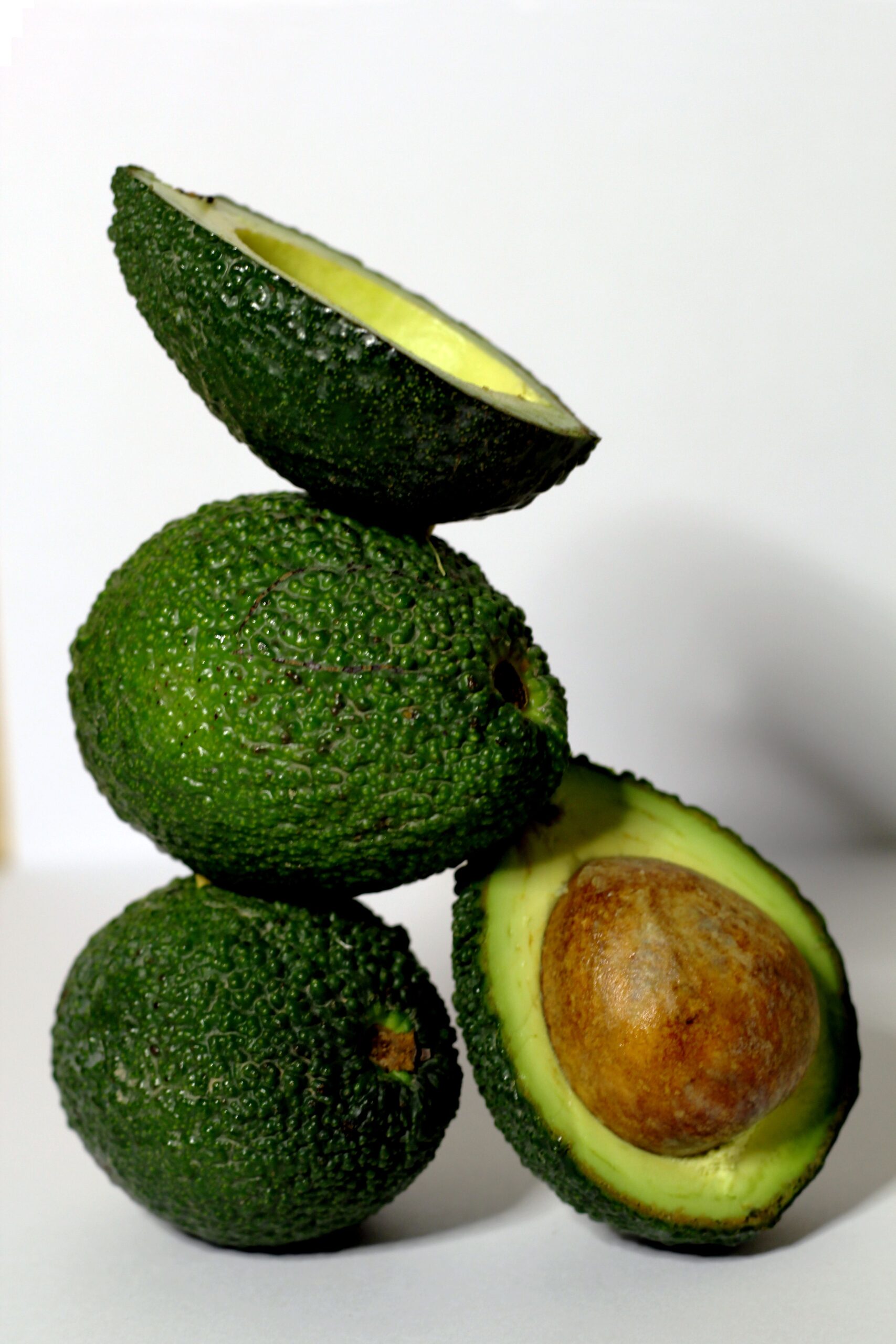
Among the newer additions to Coorg’s agroforestry crop portfolio, one stands out for the scale of the market opportunity it represents: avocado. While coffee, cardamom, and pepper have centuries of cultivation history in the Western Ghats, avocado (Persea americana) is a relative newcomer to Karnataka’s agricultural landscape — and the economics of its arrival are compelling.
India’s Avocado Market: A Growth Story
India imports the vast majority of the avocados it consumes — primarily from Peru, Mexico, and Kenya. As recently as 2015, avocados were a niche import found only in premium supermarkets in major metros. By 2025, avocados are mainstream in urban India — available in Swiggy Instamart deliveries, used in every major cafe chain’s menu, and consumed by a rapidly expanding middle-class urban population that has adopted the fruit from global food culture.
India’s avocado import bill has grown at over 30% per year for the past five years, and domestic consumption demand consistently outstrips supply. The import substitution opportunity for domestically grown avocados is enormous — and Coorg’s climate is almost uniquely suited to capture it.
Why Coorg Is Ideal for Avocado Cultivation
Avocado trees require specific growing conditions: cool to warm temperatures (15–30°C), high humidity, well-drained soil with good organic content, consistent moisture without waterlogging, and protection from strong winds. They are intolerant of frost and perform poorly in waterlogged or heavy clay soils.
Coorg’s red laterite soil, high rainfall, excellent drainage, humidity, and elevation (900–1,700 metres) creates a climate profile that matches avocado’s requirements closely — significantly better than lower-altitude or drier regions of Karnataka. Early-stage avocado cultivation trials in Coorg and the adjacent Chikmagalur district have shown strong growth rates and good fruit quality.
The Price Premium Over Conventional Crops
This is where avocado’s investment case becomes particularly interesting. Indian domestic avocados — which are fresher, have shorter supply chains, and carry a provenance story — command significant price premiums over imported fruit in urban markets.
Farm-gate prices for avocado in India range from ₹60–200 per kg depending on variety, grade, and market channel. Premium varieties sold directly to urban supermarkets, restaurants, or specialty food buyers command the higher end of this range. Compare this to coffee at ₹150–300 per kg for dried beans, and avocado’s per-kilogram value is competitive while offering faster time to market than coffee’s 4–5 year establishment period.
A mature avocado tree (year 5 onwards) produces 50–200 kg of fruit per season. At ₹80–120 per kg average, a single tree generates ₹4,000–24,000 per year. With 30–50 trees per acre, avocado income from one acre can reach ₹1.2–12 lakhs annually at maturity — a range that depends heavily on variety selection, management quality, and market access.
Integration Into Coorg Agroforestry
Avocado fits naturally into the agroforestry canopy structure of a Coorg managed farmland. Planted at wider spacings than coffee (8–10 metres between trees), avocado trees grow into the mid-to-upper canopy without shading coffee heavily. Their large, dense canopy provides additional shade for the coffee and spice crops below during peak summer months.
Like mango and jackfruit, avocado occupies vertical space without requiring additional land — it adds a high-value income layer to existing agroforestry infrastructure.
Varieties Best Suited to Coorg
Not all avocado varieties perform equally in Indian conditions. Varieties with proven performance in Karnataka’s hill climate include Fuerte (the most widely tested, with good adaptation to Coorg’s altitude range), Hass (the globally dominant commercial variety, requiring drier conditions — suitable for lower-altitude Coorg zones), and local seedling varieties that have naturalised in the Western Ghats over decades.
Variety selection for avocado planting on a managed farmland plot should be guided by a horticulturalist familiar with the specific plot’s elevation and microclimate. Nature N Me’s agricultural team makes variety recommendations based on soil testing and site assessment for each plot where avocado is included in the planting plan.
Market Access: The Critical Factor
Unlike coffee (which has established auction systems and export channels), avocado marketing in India is still developing. The highest returns come from direct supply to urban supermarkets, premium grocery chains, hotels, and restaurants — channels that require proactive relationship-building and quality consistency.
Nature N Me’s approach to avocado crop marketing connects investor harvests with urban premium buyers through established relationships — ensuring that premium production receives premium pricing rather than being sold into commodity channels at below-market rates.