
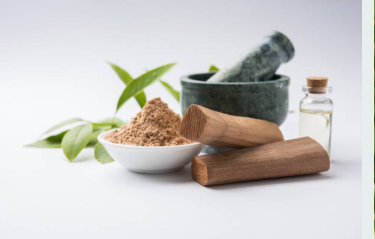
Sandalwood is among the most valuable timber in the world. Understand how planting sandalwood on Coorg farmland works, the legal framework in Karnataka, and the extraordinary long-term value it can add to your agricultural estateOf all the long-term value components of an agroforestry farmland investment in Coorg, none is more striking — or more patient — than sandalwood. Santalum album, Indian sandalwood, is one of the most valuable plant commodities on earth. Heartwood from a mature sandalwood tree in Karnataka sells for ₹5,000–10,000 per kilogram, and a single large tree at peak maturity can contain 15–40 kg of heartwood. The mathematics are extraordinary — but they require a holding period of 25–30 years.
For investors thinking about farmland as a multi-generational wealth asset, not just a 5–10 year play, sandalwood deserves serious attention.
Why Sandalwood Is So Valuable
Sandalwood’s value comes from its heartwood — the dense, fragrant core that develops over decades as the tree matures. This heartwood contains santalol, the essential oil responsible for sandalwood’s distinctive fragrance, which is in constant global demand for perfumery, cosmetics, pharmaceuticals, religious use, and luxury products.
India was historically the world’s dominant sandalwood producer, but decades of overexploitation and theft of wild trees has made naturally grown, legally sourced Karnataka sandalwood exceptionally scarce. This scarcity, combined with consistent global demand from perfume houses (particularly in France, the Middle East, and Japan), keeps prices at levels that have risen consistently for two decades.
The Legal Framework: Important to Understand
Sandalwood in Karnataka is governed by specific state regulations. Historically, sandalwood trees on private land were subject to government ownership, which significantly discouraged private cultivation. However, the Karnataka government amended the Karnataka Forest Act to allow private landowners to cultivate sandalwood on their land and own and sell the produce, subject to transit permits and documentation.
This legal clarification was a significant shift. Sandalwood trees planted on private agricultural land in Karnataka by private owners are now the property of the landowner, not the state, subject to compliance with transit and sale regulations. Working with a lawyer familiar with current Karnataka sandalwood regulations is essential before planting — the rules have evolved and your legal advisor should confirm the current position for your specific plot.
The Investment Case for Planting Sandalwood Today
Consider the arithmetic: a sandalwood tree planted today on your Coorg farmland plot in Madikeri will begin developing heartwood from year 12–15 onwards. At year 25–30, a well-grown tree with good heartwood development may contain 20–30 kg of harvestable heartwood at ₹6,000–8,000 per kg — a single tree worth ₹1.2–2.4 lakhs.
Plant 30–50 sandalwood trees per acre (spaced appropriately within an agroforestry system), and a single acre of sandalwood at maturity represents ₹36–120 lakhs in timber value — from trees that occupied space in the agroforestry canopy while coffee and spice crops generated income in the years below.
This is not a 5-year investment. It is a 25-year one. But for investors buying farmland today in their 30s or 40s, sandalwood planted now matures during their 50s and 60s — precisely when a large lump-sum harvest income is most valuable.
Sandalwood as a Legacy Asset
For investors thinking explicitly about what they leave their children or grandchildren, sandalwood is perhaps the most powerful legacy component of any agroforestry system. Trees planted today by a 40-year-old investor will be reaching peak value when their children are adults — a living inheritance that grows more valuable with each passing year.
This is the multi-generational wealth creation that distinguishes a thoughtfully structured Coorg farmland estate from any financial instrument: an asset that improves, not depreciates, across decades.
What to Ask About Sandalwood on a Managed Farmland Plot
If a managed farmland operator includes sandalwood in their planting plan, ask: How old are the existing sandalwood trees (if any)? What is the current diameter and estimated heartwood development? What legal documentation covers the ownership and future sale of the timber? What is the estimated heartwood yield at maturity based on current growth rates?
Nature N Me incorporates sandalwood planting in selected plots as a long-term value layer, with full documentation of ownership and current Karnataka regulatory compliance. To enquire about plots with sandalwood planting, visit naturenme.in or WhatsApp +91 98805 21637.
Frequently Asked Questions
Q: What is the cheapest way to travel from Bangalore to Coorg?
A: Taking an overnight KSRTC bus (Karnataka Sarige or Airavat) from Satellite Bus Stand or Majestic to Madikeri is the most cost-effective option, costing between ₹350 and ₹800 one way.
Q: Where is the best base location for budget stays in Coorg?
A: Staying near Madikeri town gives you access to the widest selection of budget homestays, backpacker hostels, cheap local eateries, and rental scooters.
Q: How much does a 2-day budget trip to Coorg cost?
A: A weekend budget trip costs roughly ₹2,400 to ₹3,700 per person, covering round-trip transport, budget accommodation, local transport, meals, and entry fees.
Q: What are some low-cost or free places to visit in Coorg?
A: Namdroling Monastery (Golden Temple) and Madikeri Fort have free entry, while Raja’s Seat (~₹5) and Abbey Falls (~₹15) cost minimal fees.
Q: What is the best way to travel around Coorg on a budget?
A: Renting a scooter in Madikeri (₹400–₹600/day + fuel) or using local KSRTC and private buses to travel between towns saves significantly compared to private taxis.