
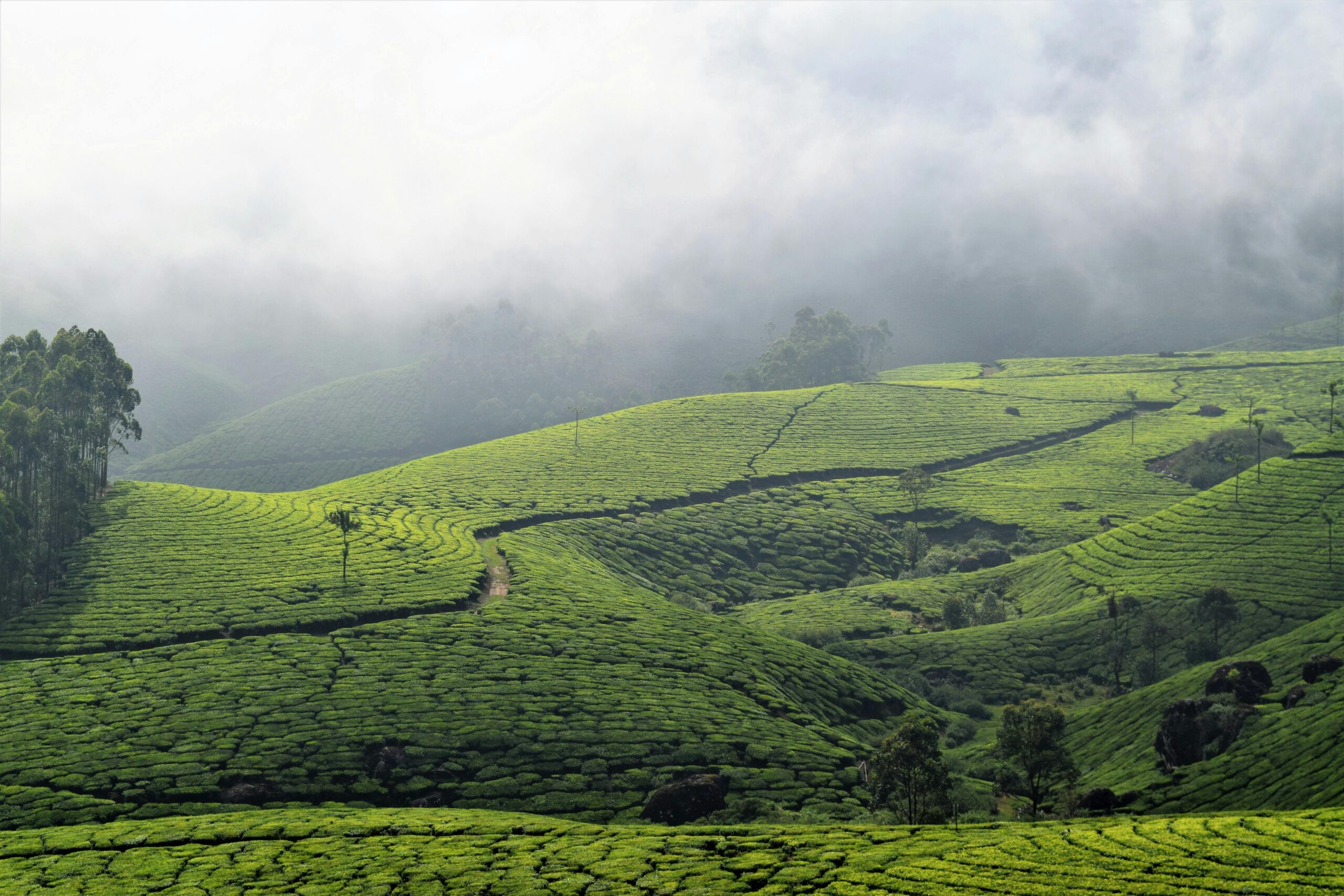
One of the most common questions from new farmland investors in Coorg is about the monsoon: when does it rain, how much, what happens on the farm during heavy rain, and when do harvests actually happen? Understanding Coorg’s seasonal rhythm helps investors know what to expect at each point in the year — and why the region’s rainfall pattern is one of its greatest agricultural strengths.
Coorg’s Two Monsoon Seasons
Unlike most of peninsular India, which relies entirely on a single southwest monsoon from June to September, Coorg benefits from two distinct rainfall periods:
The Southwest Monsoon (June to September) brings the bulk of annual rainfall — 1,800–2,500 mm during this four-month window. Skies are overcast, temperatures cool, and the entire landscape turns intensely green. The Northeast Monsoon (October to December) delivers a secondary but significant rainfall of 400–700 mm, extending the wet season and providing the critical post-bloom moisture that coffee cherries need as they develop.
Between these two rainy seasons — from January to May — Coorg experiences a relatively dry period with warm temperatures, low humidity, and clear skies. This is the ideal harvesting and processing season for most crops.
Month-by-Month Farm Calendar
January to February: The main coffee harvest season. Workers move through the estate picking red ripe cherries. Cardamom capsules are harvested. Pepper is harvested. The farm is at its most active and productive — and this is an excellent time to visit and see the harvest in action.
March to April: Post-harvest processing — coffee is pulped, fermented, washed, and dried on raised beds. Cardamom is dried and graded. Farmland preparation for the new season begins — pruning, soil nutrition, weed management.
May: Pre-monsoon showers begin. Coffee trees start flowering — the famous jasmine-like coffee blossom fills the estate with fragrance. This brief flowering window is critical; good pre-monsoon rain triggers synchronised flowering, which leads to a uniform cherry set and easier harvesting later.
June to September: Southwest monsoon. Heavy, sustained rainfall. Farm activities shift to drainage maintenance, shade tree management, and ensuring young plants are protected. This is the quietest time to visit in terms of farm activity, but the most dramatic in terms of landscape — Coorg’s waterfalls, rivers, and green hills are at their most spectacular.
October to November: Northeast monsoon. Secondary coffee cherry development. Cardamom plants begin a second flush of capsule growth. Farm team monitors crop health.
December: Pre-harvest preparation. Cherry colour assessments to determine optimal picking start date.
What This Means for Investors
Your crop income arrives primarily after the January–February harvest, when produce is sold. Nature N Me disburses crop income to investors following each harvest and sale cycle, with documentation of volumes harvested and prices achieved.
Monthly farm updates continue year-round — so even during the quiet monsoon months, you know exactly what is happening on your land.
Visiting Your Farm: Best and Worst Times
Best time to visit: October to March — dry weather, harvest activity, beautiful scenery without heavy rain. If you want to see your harvest: January to February — witnessing coffee picking on your own estate is a memorable experience. Avoid for travel: July to August — the monsoon is at its heaviest, roads can be challenging, and farm activity is minimal. If you do visit in monsoon, Coorg’s waterfalls (Abbey Falls, Iruppu Falls) are extraordinary — but plan for rain.
Understanding the seasonal rhythm of your Coorg farmland transforms it from an abstract financial asset into something tangible and alive — a piece of land with its own annual story that you are part of.