
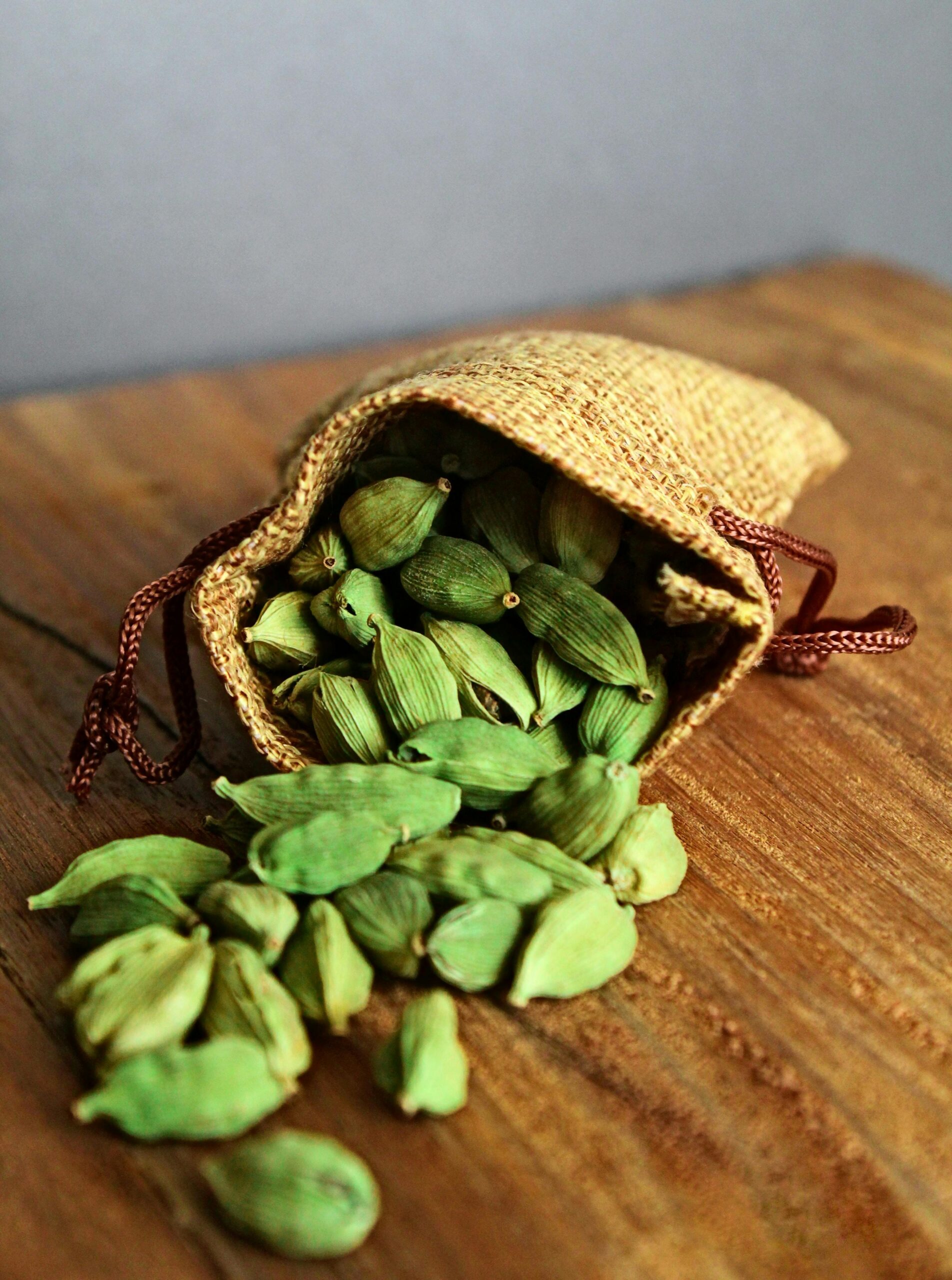
When most people think of Coorg farmland, coffee comes to mind first. But serious agricultural investors know that one of the most profitable crops grown alongside coffee in Coorg’s hills is cardamom — India’s most valuable spice by weight, second only to saffron globally.
Understanding cardamom’s economics and growing requirements explains why Nature N Me integrates it into the agroforestry mix on managed farmland in Coorg and Madikeri — and why it meaningfully boosts returns for investors.
Why Cardamom Commands Such High Prices
Cardamom (Elettaria cardamomum) is native to the Western Ghats and has been cultivated in India for thousands of years. India and Guatemala are the world’s two largest producers, and Indian cardamom — particularly from Karnataka and Kerala — commands a significant premium in both domestic and export markets.
Retail cardamom prices in India have ranged from ₹1,000 to ₹3,000 per kg in recent years depending on grade and harvest season. At the farm gate, cardamom consistently earns ₹600–1,500 per kg. A productive acre under cardamom cultivation can yield 50–100 kg of dried cardamom per year, generating ₹30,000–1,50,000 per acre annually from this single crop alone.
Why Coorg Is Ideal for Cardamom
Cardamom is a demanding crop. It requires a specific combination of conditions that very few Indian regions can deliver: high humidity (70–90%), cool temperatures (10–35°C), well-distributed rainfall of 1,500–4,000 mm annually, partial shade from a forest canopy, and well-drained, organic-rich soil.
Coorg and Madikeri tick every one of these boxes. The region sits at elevations between 900–1,700 metres, receives 2,500–3,500 mm of annual rainfall, and has a dense forest canopy from its coffee and timber trees. Cardamom planted under coffee and silver oak shade in Coorg produces consistently high-quality capsules, with deep green colour and strong aromatic oils that attract premium buyers.
How Cardamom Fits Into an Agroforestry System
On a Nature N Me managed farmland plot, cardamom does not replace coffee — it grows beneath it, utilising the same shade canopy. This layered system means:
A single acre simultaneously produces coffee (mid-canopy), cardamom (ground layer), pepper (climbing vine on shade trees), and fruit crops (interspersed trees). Each crop has a different harvest season, spreading income across the calendar year. Cardamom’s dense, low-growing foliage also functions as ground cover, suppressing weeds and retaining soil moisture.
The Investment Timeline for Cardamom
Cardamom plants take 2–3 years to come into full production after planting. In year 1–2, plants establish root systems and begin vegetative growth. From year 3 onwards, they bear capsules consistently, with peak production in years 4–8. Established plants can continue producing for 10–15 years with proper management.
This means investors who purchase a plot with existing cardamom plants — as opposed to bare land — benefit from near-immediate crop income. Nature N Me’s managed farmland plots include established planting where appropriate, reducing the waiting period before returns begin.
Quality Grades and Market Linkages
Coorg and Madikeri cardamom is sold through the Spices Board of India auction system, direct to spice exporters, and increasingly through direct-to-consumer channels online. Nature N Me’s agricultural team manages harvest timing, post-harvest processing (sun-drying or mechanical drying), grading, and sale — ensuring investors receive fair market pricing without needing any knowledge of commodity markets.
Nature N Me’s farm operations connect into established local spice buyer networks, ensuring produce is sold promptly after harvest without long storage periods that can affect quality.
Cardamom, Coffee, and Pepper: The Coorg Triple Income
The combination of coffee, cardamom, and pepper on a single agroforestry plot in Coorg creates three distinct spice-crop income streams, each with different price cycles. When global coffee prices are under pressure, cardamom or pepper may offset the impact. When domestic spice demand surges — as it has in recent years driven by India’s food sector growth — all three benefit simultaneously.
This natural income diversification within a single acre is one of the defining advantages of Coorg agroforestry over monoculture farmland investments anywhere else in India.
Frequently Asked Questions
Q: Why is cardamom considered such a valuable crop for farmland investors?
A: Cardamom commands high farm-gate prices (₹600–1,500/kg) and generates substantial annual yield value (₹30,000–1,50,000 per acre) as India’s most valuable spice by weight after saffron.
Q: Why is Coorg suited for growing high-quality cardamom?
A: It provides ideal environmental conditions: elevations between 900–1,700 meters, 70–90% humidity, cool temperatures, 2,500–3,500 mm annual rainfall, and rich soil under forest canopy shade.
Q: How does cardamom fit into an agroforestry model with coffee?
A: Cardamom grows in the ground layer beneath coffee trees without replacing them, making use of the existing shade while acting as a natural weed suppressor.
Q: What is the “Coorg Triple Income” model?
A: Combining coffee (mid-canopy), cardamom (ground layer), and pepper (climbing vines) on a single acre creates three separate income streams with varying price cycles.
Q: What is the investment timeline for cardamom to start producing?
A: Plants begin full capsule production in years 2–3, reach peak yield in years 4–8, and continue producing for 10–15 years.