
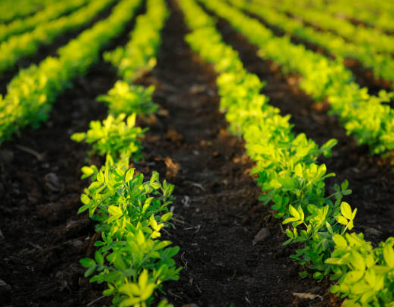
Soil is farmland’s most critical asset. Healthy, fertile soil determines crop yields, input costs, and ultimately, investment returns. Understanding soil science helps investors identify high-potential farmland and avoid costly mistakes.
What Is Soil Health?
Soil health refers to the soil’s capacity to function as a living ecosystem that sustains plants, animals, and humans. Healthy soil has:
Physical Properties:
- Good structure and aggregation
- Adequate pore space for air and water
- Proper texture (balance of sand, silt, clay)
- Good water infiltration and retention
Chemical Properties:
- Balanced pH (6.0-7.5 for most crops)
- Adequate nutrients (N, P, K, micronutrients)
- Good cation exchange capacity (CEC)
- Low salinity and toxicity
Biological Properties:
- Rich in beneficial microorganisms
- High organic matter content (3-5% ideal)
- Active earthworm populations
- Diverse microbial community
Why Soil Health Directly Impacts Returns
1. Yield DifferencesHealthy soil can produce 2-3x higher yields than degraded soil:
- Healthy soil: 5-8 tons of vegetables per acre
- Degraded soil: 2-3 tons per acre
- This difference translates directly to revenue
2. Lower Input CostsFertile soil requires fewer inputs:
- Reduced fertilizer needs (soil provides nutrients naturally)
- Less irrigation (healthy soil retains water better)
- Lower pesticide use (healthy plants resist pests naturally)
- Reduced labor for soil remediation
3. Faster Crop RecoveryAfter weather events or pests, healthy soil helps crops recover faster, minimizing losses.
4. Long-Term SustainabilityDegraded soil requires expensive remediation. Healthy soil maintains productivity for decades, ensuring consistent returns.
Key Soil Metrics for Investors
1. Organic Matter Content
- Ideal: 3-5%
- Minimum: 2%
- Below 1%: Requires significant investment to improve
Organic matter is the single most important indicator. It improves water retention, nutrient availability, and microbial activity.
2. pH Level
- Ideal for most crops: 6.0-7.5
- Too acidic (<5.5): Requires lime application
- Too alkaline (>8.5): Requires sulfur and organic matter
3. Nutrient Levels
- Nitrogen (N): Critical for leaf growth
- Phosphorus (P): Essential for root development
- Potassium (K): Important for fruit quality
- Micronutrients: Iron, zinc, copper, manganese
4. Water Holding CapacityHow much water soil retains between rains or irrigation. Higher capacity means lower irrigation costs.
5. Soil Texture
- Loam: Ideal balance (40% sand, 40% silt, 20% clay)
- Sandy: Drains too quickly, poor nutrient retention
- Clay: Poor drainage, hard to work
Regional Soil Characteristics in India
Coorg (Karnataka):
- Laterite soil, rich in iron and aluminum
- Naturally fertile with good organic matter
- pH: 5.5-6.5 (slightly acidic, ideal for coffee, cardamom)
- Excellent for spices, fruits, coffee
**Punjab-Haryana:**
- Alluvial soil, very fertile
- High yields but declining organic matter due to intensive farming
- Ideal for wheat, rice
Maharashtra:
- Black soil (regur), excellent for cotton
- Good water retention
- pH: 7.5-8.5 (slightly alkaline)
Tamil Nadu:
- Varied: red soil, black soil, alluvial
- Generally lower fertility, requires more inputs
- Irrigation-dependent
How to Evaluate Soil Before Investing
1. Request Soil Test ReportsReputable farmland providers should have recent soil tests (within 1-2 years). Verify:
- Organic matter percentage
- pH level
- NPK values
- Micronutrient status
2. Conduct Your Own TestIf reports aren’t available, hire a soil testing laboratory:
- Cost: ₹1,000-3,000 per sample
- Test multiple locations within the plot
- Get recommendations for improvement
3. Visual InspectionLook for signs of healthy soil:
- Dark color (indicates organic matter)
- Earthworms present
- Good plant growth on surrounding land
- No visible erosion or crusting
4. Talk to Local FarmersNeighbors know the land’s history:
- Previous crops and yields
- Problems encountered
- Water availability
- Any pollution or contamination
Improving Soil Health (If Needed)
If soil isn’t perfect, it can be improved:
1. Add Organic Matter
- Compost: 10-20 tons per acre annually
- Farmyard manure: 5-10 tons per acre
- Green manure crops (sunhemp, dhaincha)
Cost:₹15,000-30,000 per acre annuallyTimeline: 2-3 years to see significant improvement
2. Adjust pH
- Acidic soil: Add lime (1-2 tons per acre)
- Alkaline soil: Add gypsum and organic matter
3. Crop RotationRotate crops to prevent nutrient depletion:
- Legumes (fix nitrogen) → cereals (use nitrogen) → vegetables
4. Cover CropsPlant cover crops during off-season:
- Prevents erosion
- Adds organic matter
- Fixes nitrogen (legumes)
5. Reduce TillageMinimal tillage preserves soil structure and microbial communities.
The ROI of Soil Improvement
Investing ₹50,000-1,00,000 per acre in soil improvement can yield:
- 30-50% increase in crop yields within 2 years
- 20-30% reduction in fertilizer costs
- 15-25% reduction in irrigation needs
- Better crop quality commanding premium prices
Over 5 years, this translates to ₹10-15 lakhs additional returns per acre, making soil improvement highly profitable.
Red Flags for Soil Problems
Avoid farmland with:
- Visible erosion: Gullies, exposed roots, sediment in water
- Poor vegetation: Stunted growth, yellowing leaves
- Hardpan: Soil hard as concrete when dry
- Waterlogging: Standing water long after rain
- Salinity: White crust on soil surface
- Contamination: Industrial waste, chemical spills nearby
What Managed Farmland Companies Should Do
Reputable managed farmland providers:
- Conduct regular soil testing (annually)
- Share reports with investors
- Implement soil health programs
- Use organic practices to build soil
- Invest in soil improvement proactively
Ask your provider about their soil management practices. If they can’t answer, avoid them.
The Future of Soil Health
Soil health is becoming a priority:
- Government soil health cards for farmers
- Organic farming subsidies
- Carbon credit opportunities for soil carbon sequestration
- Consumer premium for organically grown produce
Investors who prioritize soil health today will benefit from higher returns, regulatory support, and growing market demand for sustainable produce.
Bottom Line
Soil is the foundation of farmland investment. Poor soil means poor returns, no matter how good the location or management. Healthy soil means higher yields, lower costs, and consistent profitability.
Before investing, verify soil quality through tests and inspections. Choose managed farmland providers committed to soil health. If soil needs improvement, factor remediation costs into your investment but recognize the strong ROI.
Investing in farmland with healthy soil—or investing in soil improvement—is investing in long-term, sustainable returns.