
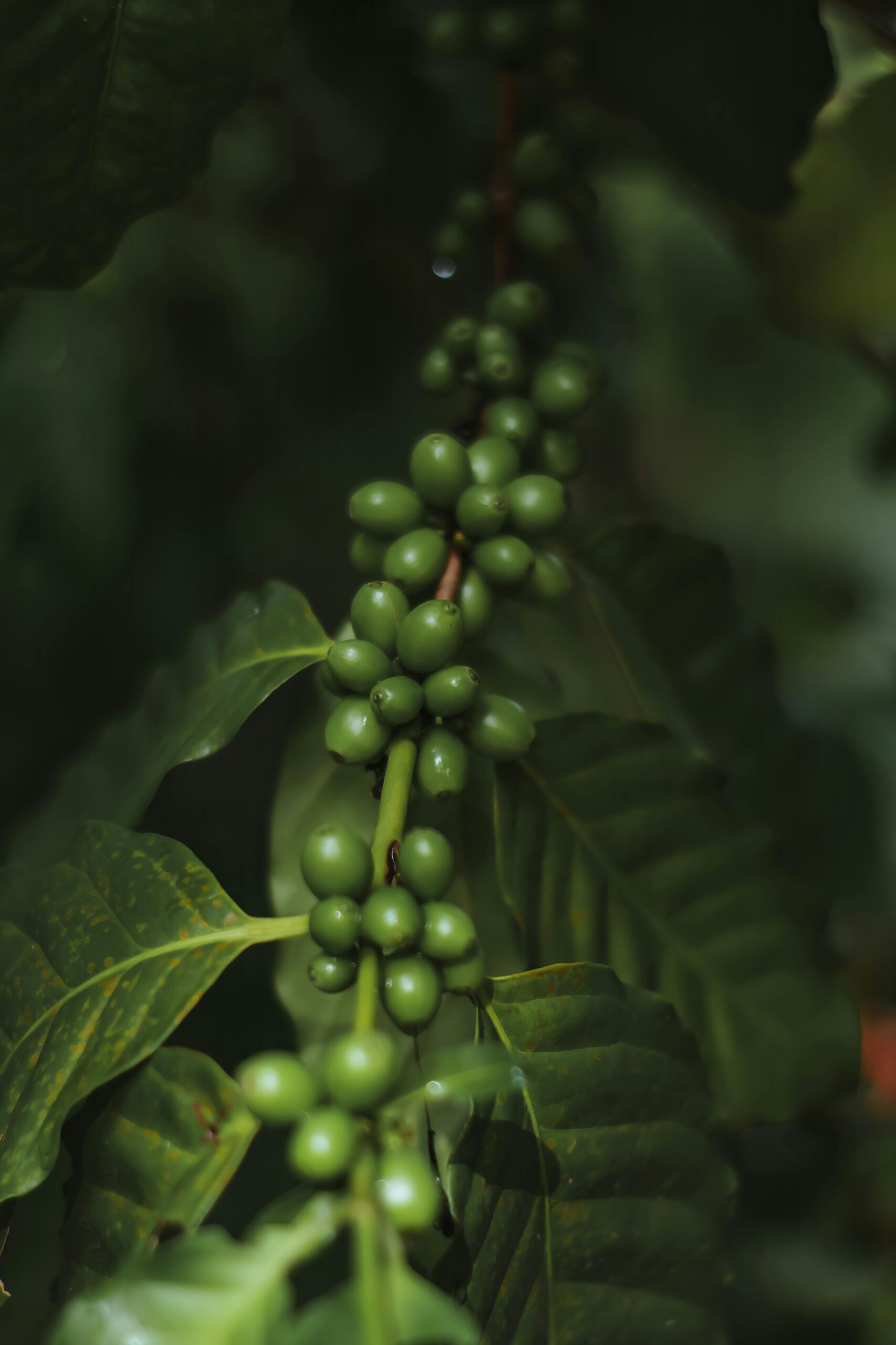
When you sip a rich, aromatic cup of South Indian filter coffee, there is a strong chance its journey began in the lush, green hills of Coorg (Kodagu). Known as the “Coffee Capital of India,” Coorg produces some of the finest Arabica and Robusta beans in the world. While climate, elevation, and rainfall play major roles in coffee quality, the true secret behind Coorg’s exceptional yield lies beneath the surface: its unique, fertile soil.
Here is a closer look at what makes Coorg’s soil ideal for coffee cultivation.
1. Rich Lateritic and Loamy Composition
Much of Coorg lies on weathered lateritic and loamy soils derived from ancient mineral rocks. These soils are naturally rich in essential minerals like iron and aluminum oxides. Loamy soil—a balanced mix of sand, silt, and clay—provides the perfect texture for coffee plant roots to anchor deeply and expand effortlessly.
2. Natural Drainage via Rolling Terrain
Coffee plants are notoriously sensitive to waterlogging, which causes root rot and restricts nutrient uptake. Coorg’s undulating, sloped topography works hand-in-hand with its well-drained, porous soil structure. Heavy monsoon rains naturally drain downhill, keeping the root zones moist without letting water pool around the trees.
3. A Deep, Nutritious Organic Layer
Unlike sun-exposed commercial monocultures, Coorg’s coffee estates operate under a canopy of shade trees—such as Rosewood, Jackfruit, and Fig. The continuous fall of leaves creates a thick layer of organic mulch. As leaf litter and forest remnants decompose, they form a soft, crumbly topsoil rich in humus. This natural layer boosts the soil’s capacity to retain moisture and vital micro-nutrients during drier months.
4. Traditional Soil Enrichment Practices
Coorg’s coffee growers build upon nature’s foundation through sustainable farming traditions. Practices like applying cattle manure, maintaining green cover crops, and practicing organic composting continuously replenish organic matter. Over decades, these traditional methods build a living, fertile soil ecosystem rather than depleting it.
Frequently Asked Questions (FAQ)
Q1: What type of soil is predominant in Coorg’s coffee estates?
A: Coorg’s estates primarily consist of weathered, iron-rich lateritic and deep loamy soils derived from ancient rock formations.
Q2: Why is good soil drainage important for coffee plants?
A: Coffee roots need oxygen to survive; standing water leads to root rot and nutrient deficiency. Coorg’s porous soil and sloped terrain ensure excess water drains quickly.
Q3: How do shade trees improve the soil quality in Coorg?
A: Shade trees drop organic leaf litter that decomposes into a nutrient-rich topsoil layer, which improves soil structure, organic carbon content, and moisture retention.
Q4: Can both Arabica and Robusta grow in Coorg’s soil?
A: Yes. Both varieties thrive in Coorg’s mineral-rich soil, though Arabica is generally planted at higher elevations and Robusta flourishes in the warmer, mid-altitude zones.
Q5: How do traditional estate practices help preserve soil fertility over time?
A: Estate owners preserve fertility by maintaining natural leaf mulch, adding organic manures, avoiding heavy soil disturbance, and cultivating diverse tree species.