Walk quietly through a shade-grown coffee estate in Coorg, and you’ll notice it feels more like a forest than a farm. Tall shade trees, layered foliage, and patches of wild plants create micro‑habitats for birds, insects, and small mammals. This hidden ecosystem is not just beautiful—it actively supports coffee production.
Birds are among the most visible residents. Insects like borers and caterpillars can damage coffee, and many birds act as natural pest controllers by feeding on them. Studies from similar shade coffee systems in India and Latin America show that higher bird diversity can reduce pest outbreaks, lowering the need for chemical sprays.
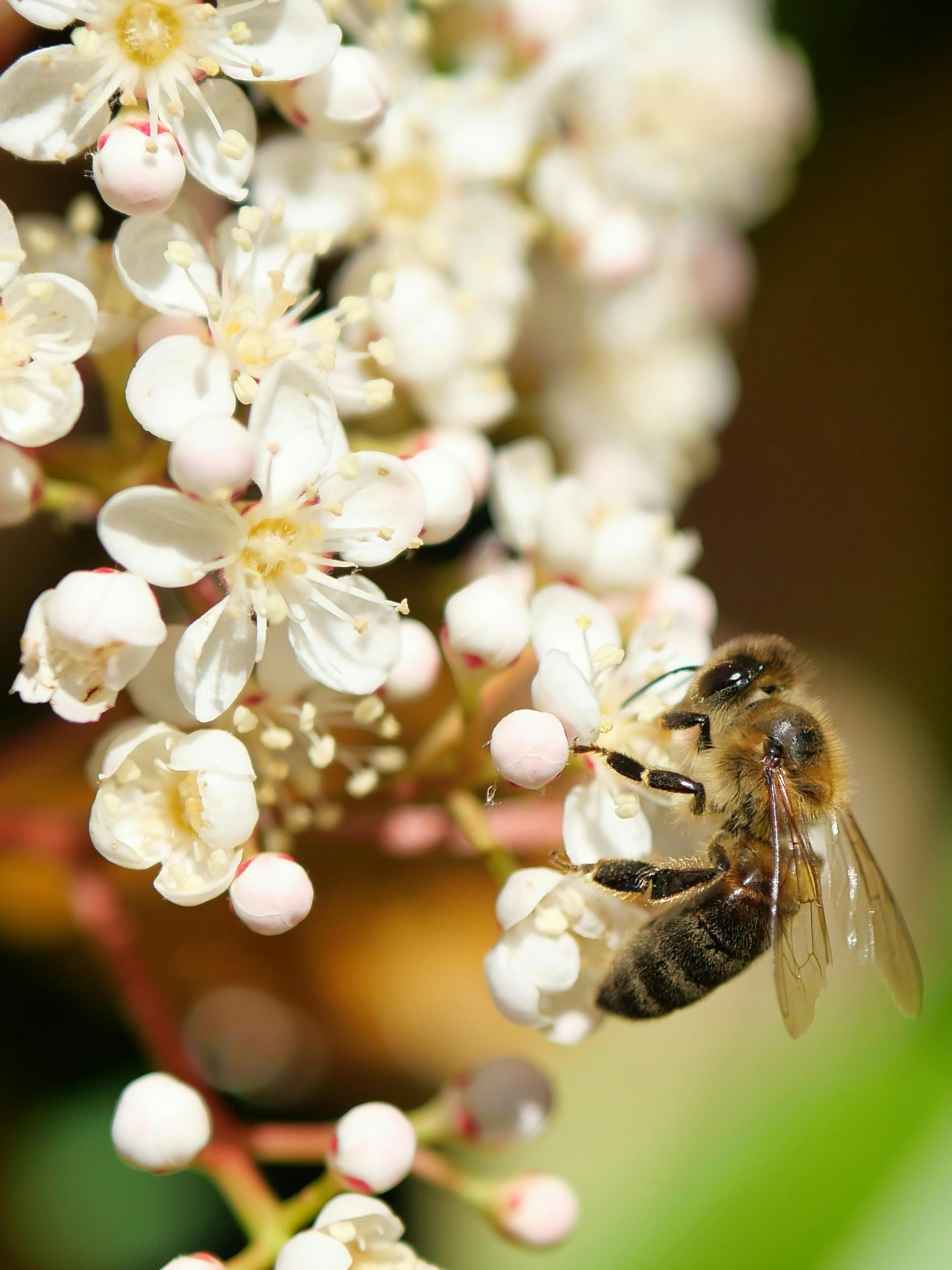
Pollinators are another key part of the story. Coffee in Coorg can self‑pollinate, but visits from bees and other insects increase fruit set and improve yield quality. Flowering trees and wild plants within and around estates offer nectar and nesting spaces, helping maintain strong pollinator populations year-round.
Biodiversity also lives in the soil. Leaf litter from shade trees feeds fungi, bacteria, and earthworms, which break down organic matter into nutrients that coffee roots can absorb. This living soil structure improves water infiltration, reduces erosion on slopes, and makes the entire plantation more resilient to heavy rainfall or drought.
When estates remove shade or simplify the vegetation, they risk losing these free ecosystem services. Protecting biodiversity is not just a conservation goal; it is a practical strategy for healthier plants, reduced input costs, and more stable yields.
If you were explaining this “hidden ecosystem” to kids or tourists on a plantation walk, which creature or process (birds, bees, soil life, etc.) would you focus on first, and how would you describe it in simple language?