
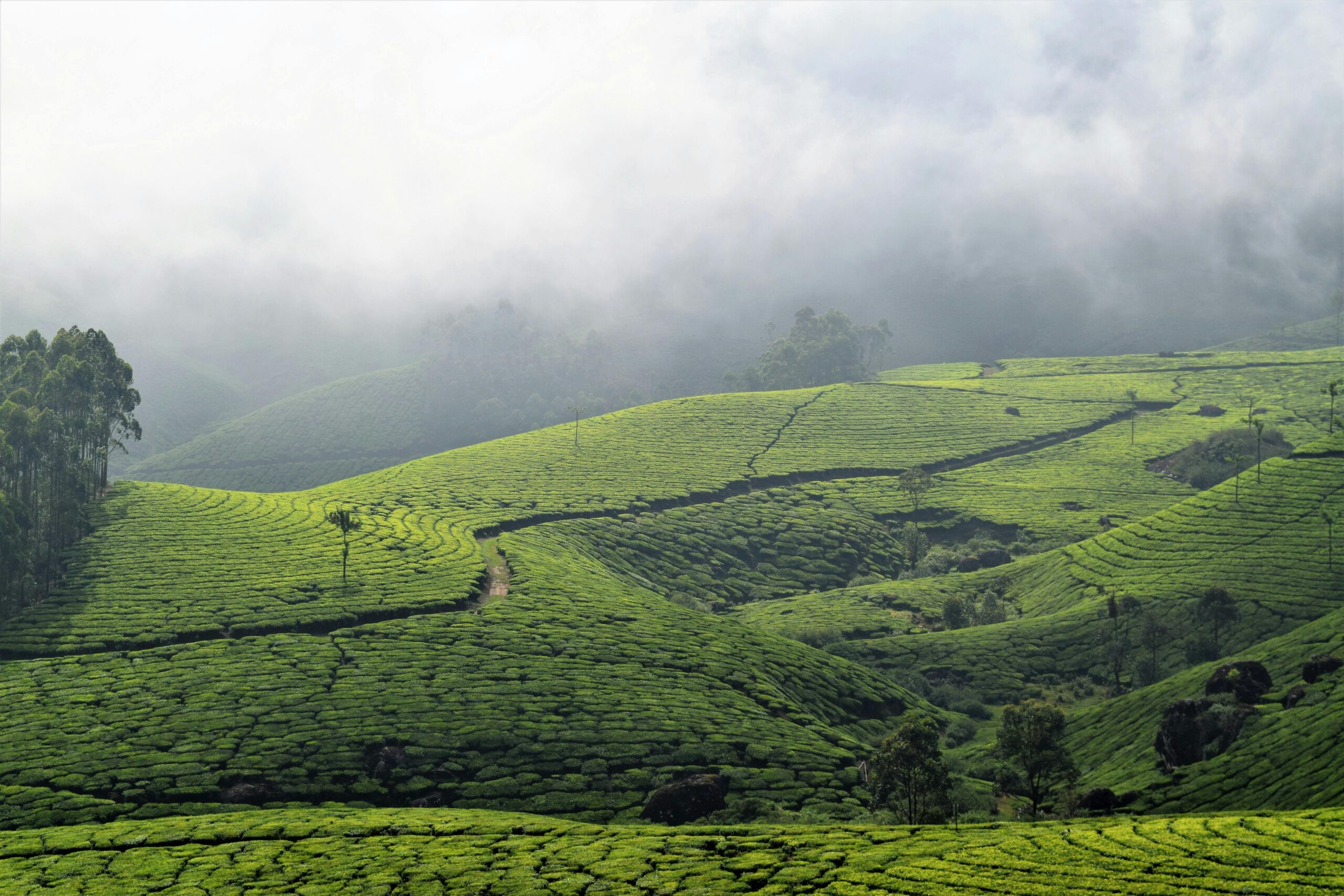
Coorg’s rolling coffee estates have always depended on the rhythm of the monsoon, but that rhythm is changing. Unpredictable rains, longer dry spells, and sudden extreme downpours are pushing growers to rethink how they farm.
Many estates are turning to shade management as a first line of defense. By planting a mix of native shade trees and carefully pruning existing ones, farmers can reduce heat stress on coffee plants, retain soil moisture, and protect berries from heavy rain damage. Mulching with leaf litter and organic matter helps keep the soil cool, slows evaporation, and feeds soil life, which in turn improves water-holding capacity.
Water management is another major focus. Small farm ponds, contour trenches, and recharge pits help capture intense rain and store it in the ground for the dry months. Some estates are reviving traditional “suranga” or recharge channels and combining them with drip irrigation to deliver water efficiently to the root zone.
Farmers are also diversifying within their estates. Pepper vines on shade trees, interplanted fruit trees, and small patches of spices spread risk—if one crop suffers due to weather, another can still produce income. In addition, there is growing interest in climate-tolerant coffee varieties and rootstocks that can handle higher temperatures and certain diseases.
Climate resilience in Coorg’s coffee belt is no longer a theory; it is a daily practice. By combining traditional knowledge with newer techniques, estates are trying to secure both livelihoods and landscapes for the next generation.