
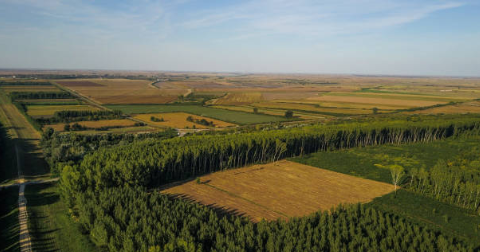
Most investments give you a single return — rent from an apartment, interest from an FD, dividends from stocks. Agroforestry on managed farmland in Coorg gives you five simultaneous income streams from a single acre: coffee crops, spice harvests, fruit orchards, long-term timber, and land appreciation. It’s the most diversified agricultural investment model available to Bangalore investors today.
What Is Agroforestry?
Agroforestry is the practice of growing trees and crops together on the same land. In Coorg’s managed estates, this means planting high-value timber species like teak and sandalwood alongside commercial crops like Arabica coffee, cardamom, black pepper, and fruit trees including mango and jackfruit. Each layer of the farm produces at a different time horizon, smoothing out returns and maximising land use.
The Coorg Agroforestry Stack at Nature N Me
Our managed farmland in Madikeri, Coorg uses a multi-tier planting model designed for maximum productivity and sustainability:
- Canopy layer: Teak, silver oak, and sandalwood — harvest in 15–25 years for premium timber value
- Mid layer: Arabica and Robusta coffee — annual harvest, high market demand domestically and for export
- Under layer: Cardamom and black pepper — high-value spice crops with strong commodity prices
- Ground/fruit layer: Mango, jackfruit, pineapple — seasonal income from fresh produce sales
This structure means your land is always earning, regardless of which crop season it is.
Why Sandalwood and Teak Are Generational Wealth Builders
Indian sandalwood (Santalum album) is among the most valuable woods in the world by weight. A mature sandalwood tree (15–20 years) can fetch ₹60,000–₹1,00,000 per tree in the market. A single acre of agroforestry with 50–100 sandalwood trees represents a multi-crore asset at maturity. Teak, similarly, commands premium prices in the construction and furniture industries and appreciates predictably over time.
These trees are not an expense — they are a savings account you plant in the ground.
Coorg: India’s Ideal Agroforestry Zone
Coorg receives 2,000–4,000 mm of rainfall annually, has rich red laterite soil, and benefits from a cool climate year-round. This combination is ideal for all the species in our agroforestry model. Our team of agricultural experts has over 45,000 trees already planted across our Madikeri estate — a testament to the region’s extraordinary growing conditions.
Environmental and Social Benefits
Agroforestry sequesters significant carbon, improves soil health, prevents erosion, and supports biodiversity — all while being commercially productive. Owning agroforestry land in Coorg means you’re contributing positively to Karnataka’s forest cover and earning ESG-aligned returns before the term was mainstream.
Frequently Asked Questions
Q: Why are sandalwood trees considered a high-value crop near Mysore?
A: Mysore sandalwood is renowned for producing exceptionally high-grade oil ($2,000–$3,000 per kg), making its heartwood extremely valuable in the global market.
Q: Can private farmland owners legally grow sandalwood trees in Karnataka?
A: Yes, private sandalwood farming has been legal since 2001, though strict regulations still govern tree harvest, sale, and transport.
Q: How long does it take for a sandalwood tree to mature for harvest?
A: Sandalwood is a long-term investment that requires 15 to 25 years to develop high-value, oil-rich heartwood.
Q: Why is sandalwood grown alongside host plants like Moringa?
A: Sandalwood is a hemi-parasite that requires host plants to draw essential nutrients and water from their roots for optimal growth.
Q: How does combining Sandalwood and Moringa improve land profitability?
A: Moringa provides quick short-term cash flow from leaves and pods within the first year, balancing the long-term wait for sandalwood maturation.