
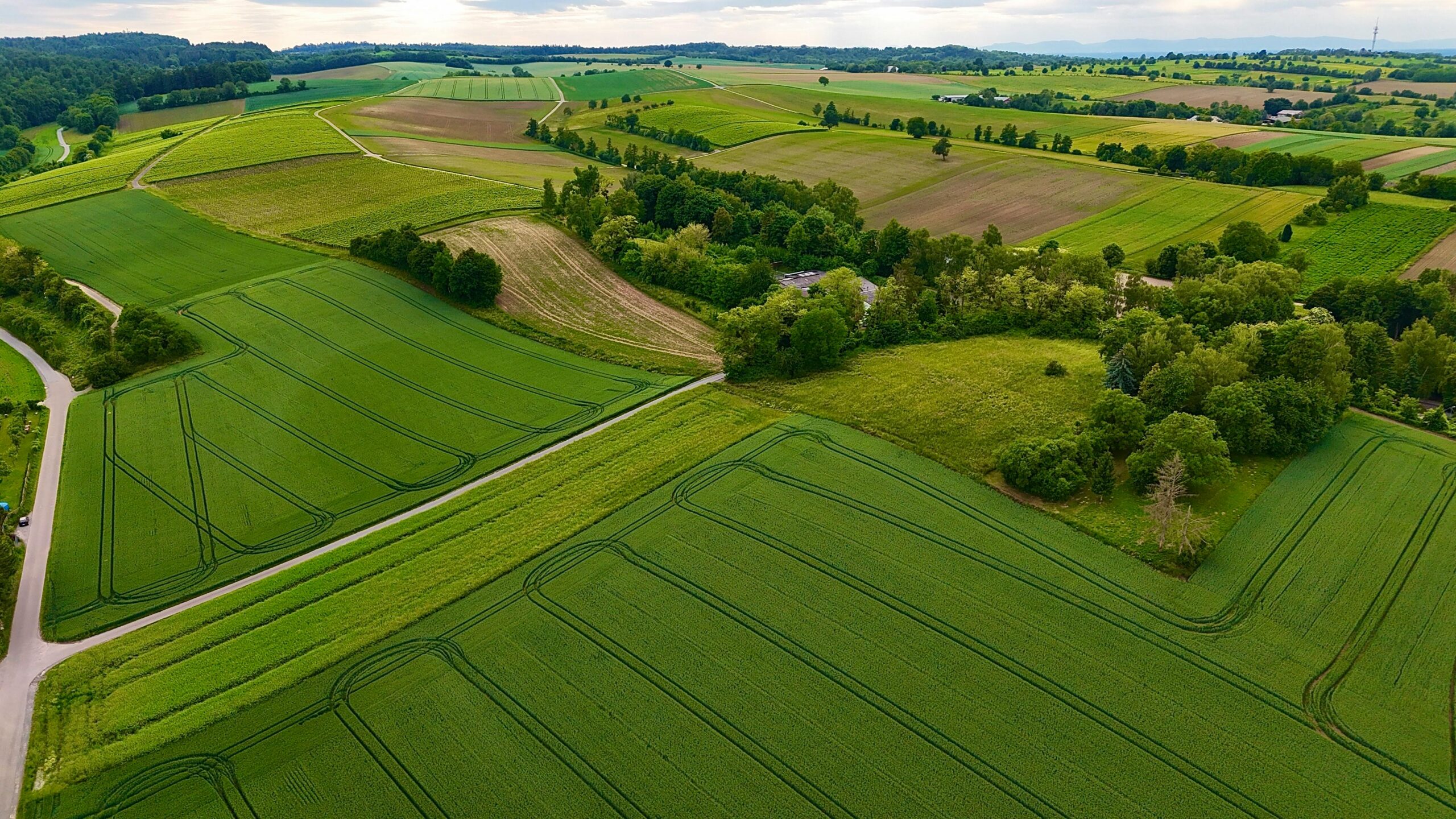
Owning agricultural land in a rural region of Karnataka, including Coorg, comes with a risk that urban apartment owners never face: boundary encroachment. Unlike a flat in a building where every wall defines a clear, shared boundary with other registered owners, agricultural land in a hilly, forested region has physical boundaries that exist on paper as survey numbers and on the ground as boundary stones, trees, streams, and informal markers — which can shift, become unclear, or be deliberately moved over time.
Understanding how encroachment happens, how to detect it early, and what legal remedies are available is practical knowledge that every Coorg farmland investor should have — even if they hope never to need it.
How Encroachment Happens on Rural Agricultural Land
The most common form of agricultural land encroachment in Karnataka is gradual — a neighbouring landowner or cultivator moves boundary markers incrementally over time, cultivates a strip of your land that they claim is theirs, or builds a structure (shed, wall, fence) that crosses your surveyed boundary. This process can be opportunistic, taking advantage of absentee owners who visit infrequently and do not notice minor boundary shifts.
Other forms include encroachment by squatters who establish cultivation on apparently unused or unvisited land, and in some cases encroachment by government entities in the context of road widening, infrastructure projects, or re-demarcation exercises where survey boundaries are revisited.
In Coorg’s context, elephant fencing errection by neighbouring estates or government bodies sometimes intersects with survey boundaries in ways that require clarification, and informal paths used by adjacent communities or estates can gradually be claimed as right-of-way routes across private land.
Early Detection: The Most Important Protection
The most effective protection against encroachment is regular, attentive presence on the land and vigilance during monthly farm update visits by the management team. A farm manager who walks the full boundary of each investor plot regularly — not just the productive core but the edges and corners — will detect any boundary marker disturbance or new cultivation activity at its earliest stage, when it is easiest to address through informal conversation with the neighbouring landowner before it becomes a formal dispute.
Nature N Me‘s estate management includes periodic boundary inspection as a standard element of the management program. When any boundary concern is identified, it is communicated to the investor immediately with photographs and the management team’s assessment of the situation.
What to Do When Encroachment Is Detected
The initial response to detected encroachment should be documentation and notice, not confrontation. Photograph the encroachment clearly, document the date, and identify the survey boundary precisely using the survey sketch and boundary markers. The managed farmland operator’s team or a local legal representative should send a formal written notice to the encroaching party identifying the boundary and requiring cessation of any activity on your land.
If informal resolution fails — which is relatively uncommon when the documented boundary is clear and the notice is formal and specific — the remedy is a complaint to the Tahsildar’s office for revenue land boundary disputes, or a civil suit for recovery of possession through the civil court of the relevant taluk. Karnataka’s Revenue Act provides mechanisms for Tahsildar-level resolution of certain types of boundary disputes between agricultural landowners.
Prevention: Boundary Demarcation and Fencing
Concrete boundary pillars at the corners and at regular intervals along the boundary of your plot, installed at the time of purchase, are the most effective passive protection against gradual encroachment. A clearly marked, physically visible boundary is much harder to encroach on incrementally than an unmarked or poorly marked one. Nature N Me installs boundary markers on investor plots as part of the initial plot development, creating a documented and physically demarcated boundary that provides clear protection.
Perimeter fencing — whether wire fencing, live fencing with thorny plants, or solar electric fencing where relevant for wildlife management — provides additional boundary demarcation and reduces the physical accessibility of the plot boundary from adjacent land.
The Managed Farmland Advantage in Encroachment Protection
A managed farmland, by definition, has a local management team physically present on or near the land regularly. This continuous local presence is itself the most effective deterrence to opportunistic encroachment — land that is visibly managed, regularly visited by staff, and has clear markers is simply not an attractive target for the gradual boundary shifts that affect abandoned or unvisited agricultural land.
For absentee investors in Bangalore or abroad, the managed farmland model provides the local vigilance that self-managed agricultural land would require the owner to provide personally.