

Farmhouse vs. Managed Farmland in Coorg: Which Is Right for You?
Coorg is an attractive destination for people looking for a second home, a peaceful countryside retreat, or an opportunity to own agricultural land. With its coffee plantations, green landscapes, pleasant surroundings, and proximity to Bengaluru, the region has become...
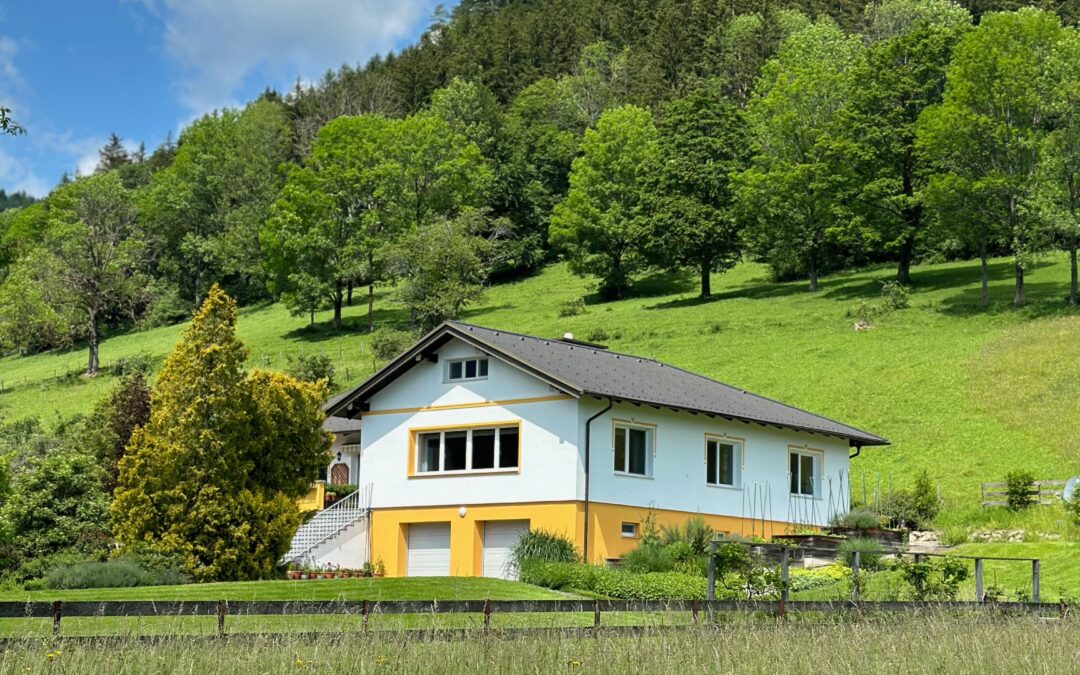
Why a Farmhouse in Coorg Is More Than a Weekend Getaway
Coorg, also known as Kodagu, has long been admired for its mist-covered hills, coffee plantations, lush forests, and peaceful surroundings. For people living in busy cities such as Bengaluru, owning a farmhouse in Coorg can seem like the perfect escape from everyday...

Managed Farmland Investment India: Is It Worth It?
Managed farmland stands out because it combines financial stability, sustainable growth, and lifestyle use in a single asset. This multi-layered value is why managed farmland is becoming a preferred choice for investors in 2026. Farmlandbazaar But "becoming a...
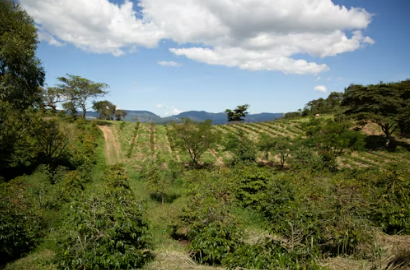
Coorg Farmland vs Bangalore Apartment: Which Wins?
This is the comparison that most Bangalore investors are actually making — not Coorg farmland versus mutual funds, but Coorg farmland versus the Bangalore apartment that is the conventional first-investment choice. The comparison...
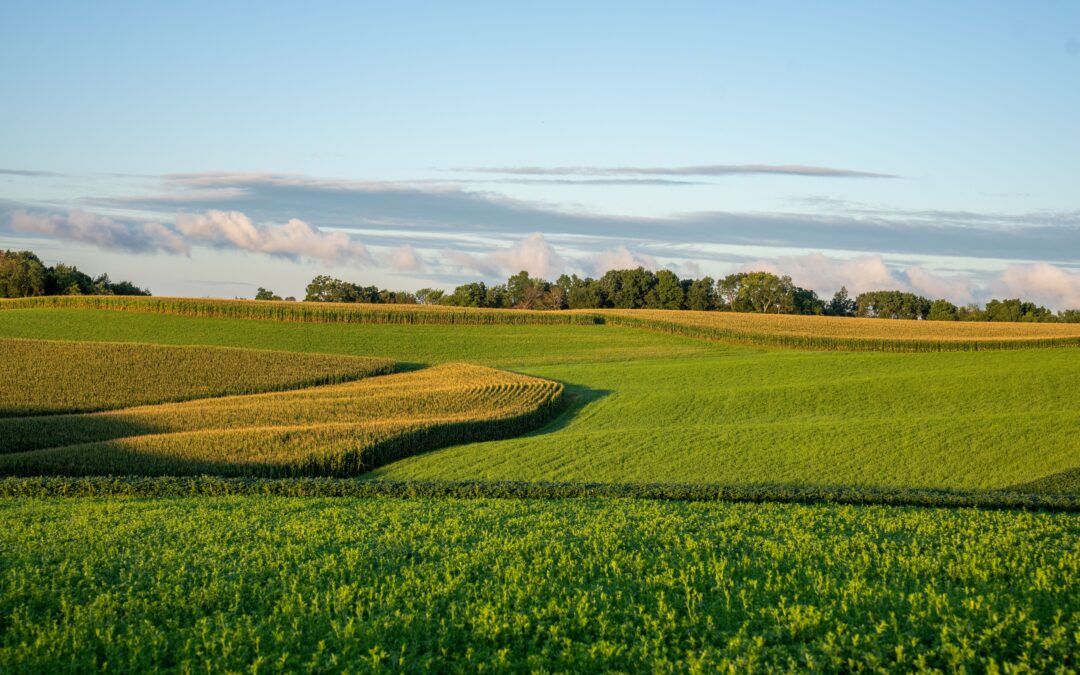
Agricultural Income Tax Exemption India: Full Guide
The agricultural income tax exemption is the financial foundation of every Coorg and Mysore managed farmland investment — and it is also one of the most commonly misunderstood provisions in Indian income tax law. This guide answers every question about it plainly and...
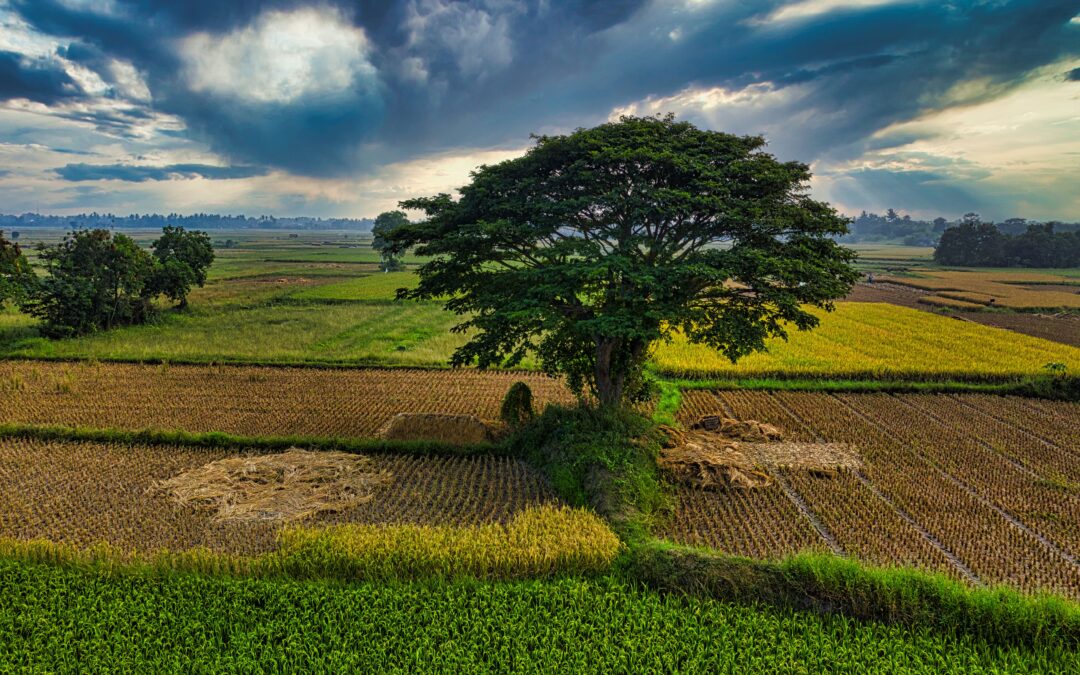
How to Verify Farmland Title in Karnataka: 2026
Title verification is the most important step in any Karnataka agricultural land purchase — and it is now partially doable from your phone, for free, before you visit any estate. This guide walks through every verification step with specific portal links and what to...