
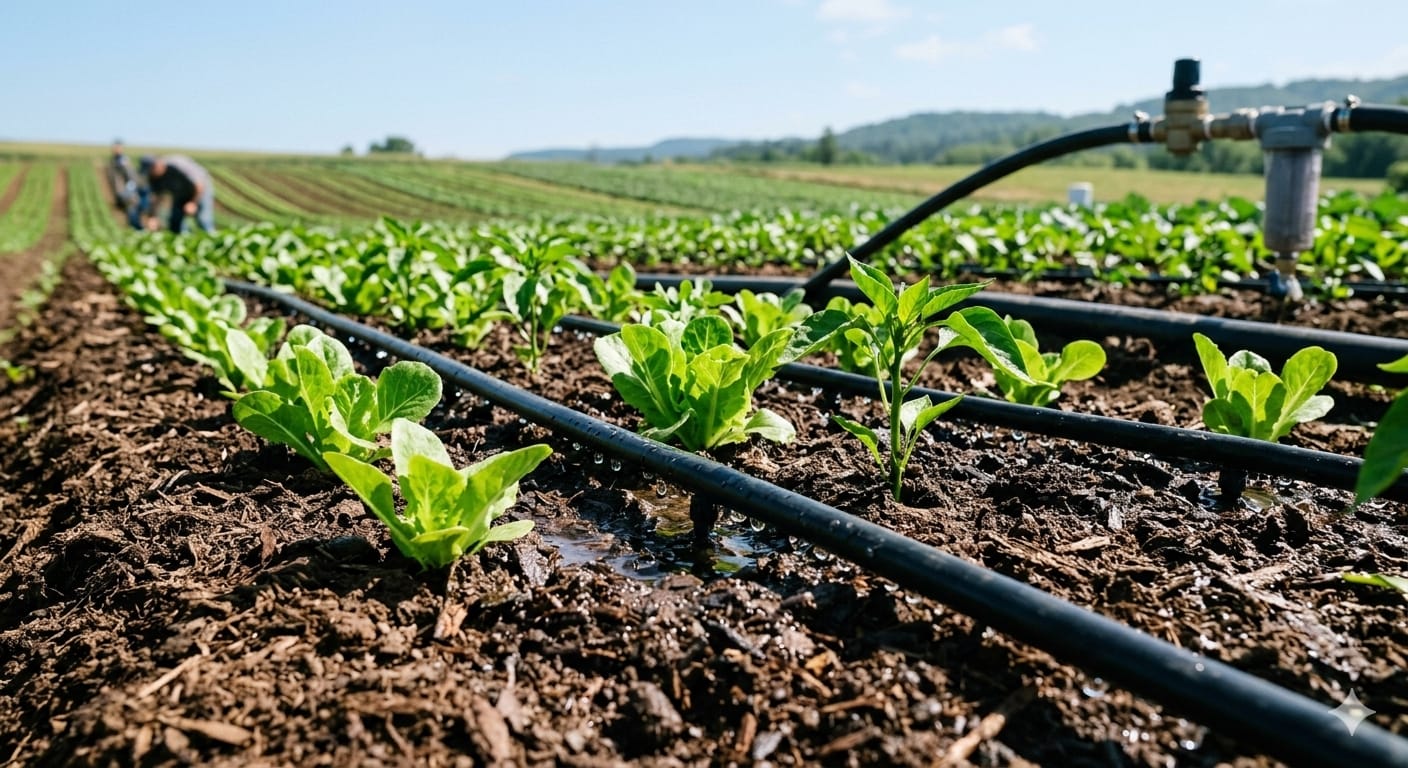
Water is becoming the world’s most valuable resource. For farmers and managed farmland owners, every drop counts. Enter drip irrigation—a game-changing technology that delivers water directly to plant roots.
Unlike traditional flooding or sprinklers, drip irrigation eliminates waste. No evaporation. No runoff. Just precise, efficient watering that saves money and grows healthier crops.
What is Drip Irrigation?
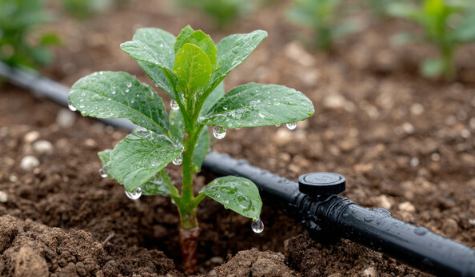
Drip irrigation is a method of watering plants using a network of tubes, emitters, and valves. Water slowly “drips” directly into the soil at the root zone. Nothing is lost to wind, sun, or overspray.
Key components of a drip irrigation system:
- Mainline tubing
- Drip emitters (drippers)
- Filter system
- Pressure regulator
- Backflow preventer
Top 5 Benefits of Drip Irrigation
1. Saves Water (Up to 50-70%)
Traditional sprinklers waste water through evaporation and wind drift. Drip irrigation delivers water exactly where needed. Studies show water savings of 50-70% compared to flood irrigation.
2. Increases Crop Yield
When plants receive consistent moisture at the roots, they thrive. Drip irrigation prevents water stress, leading to higher yields and better quality produce. Many farmers report 20-40% yield increases.
3. Reduces Weed Growth
Weeds need water on the soil surface to grow. Drip irrigation waters only the crop root zone, leaving surrounding soil dry. Fewer weeds mean less labor and fewer herbicides.
4. Prevents Soil Erosion and Nutrient Loss
Flood irrigation washes away topsoil and valuable nutrients. Drip irrigation applies water gently and slowly. Soil structure remains intact. Fertilizers stay where plants can use them.
5. Lowers Labor and Energy Costs
Once installed, drip irrigation systems can be automated. No more moving sprinklers or standing with hoses. Lower water volume also means lower pumping costs—saving electricity or diesel.
Drip Irrigation vs. Other Methods
| Method | Water Efficiency | Labor Required | Best For |
|---|---|---|---|
| Drip Irrigation | 90-95% | Low | Row crops, vegetables, orchards |
| Sprinkler System | 65-75% | Medium | Lawns, grains, cover crops |
| Flood Irrigation | 50-60% | Low | Rice, pastures (flat land only) |
| Manual Watering | 60-70% | High | Small gardens, greenhouses |
Is Drip Irrigation Right for Your Farmland?
Drip irrigation works best for:
- Vegetables (tomatoes, peppers, lettuce, onions)
- Fruits (strawberries, grapes, citrus, apples)
- High-value row crops (cotton, sugarcane, corn)
- Greenhouses and polyhouses
- Orchards and vineyards
Less suitable for:
- Large grain fields (wheat, rice)
- Extremely rocky or uneven terrain
- Very hard water (clogs emitters without filtration)
Maintenance Tips for Long Life
To keep your drip irrigation system running efficiently:
- Flush lines regularly (every 2-4 weeks)
- Clean or replace filters monthly
- Check emitters for clogs (use a pin or replace)
- Run system briefly after fertilizing to clear lines
- Drain and store before freezing temperatures
Drip Irrigation and Sustainable Agriculture
For owners of managed farmland, drip irrigation is a cornerstone of sustainable agriculture. It reduces water footprint, lowers chemical runoff into rivers, and preserves soil health for future generations.
Investors and farm managers who adopt drip irrigation see:
- Higher property values
- Attractive returns for eco-conscious buyers
- Compliance with environmental regulations
Conclusion: Make the Switch Today
Water scarcity is not coming—it is already here. Drip irrigation is the smartest investment you can make for your farmland investment. Lower costs. Higher yields. Better for the planet.
Whether you manage 1 acre or 1,000 acres, drip irrigation delivers measurable returns from season one.