
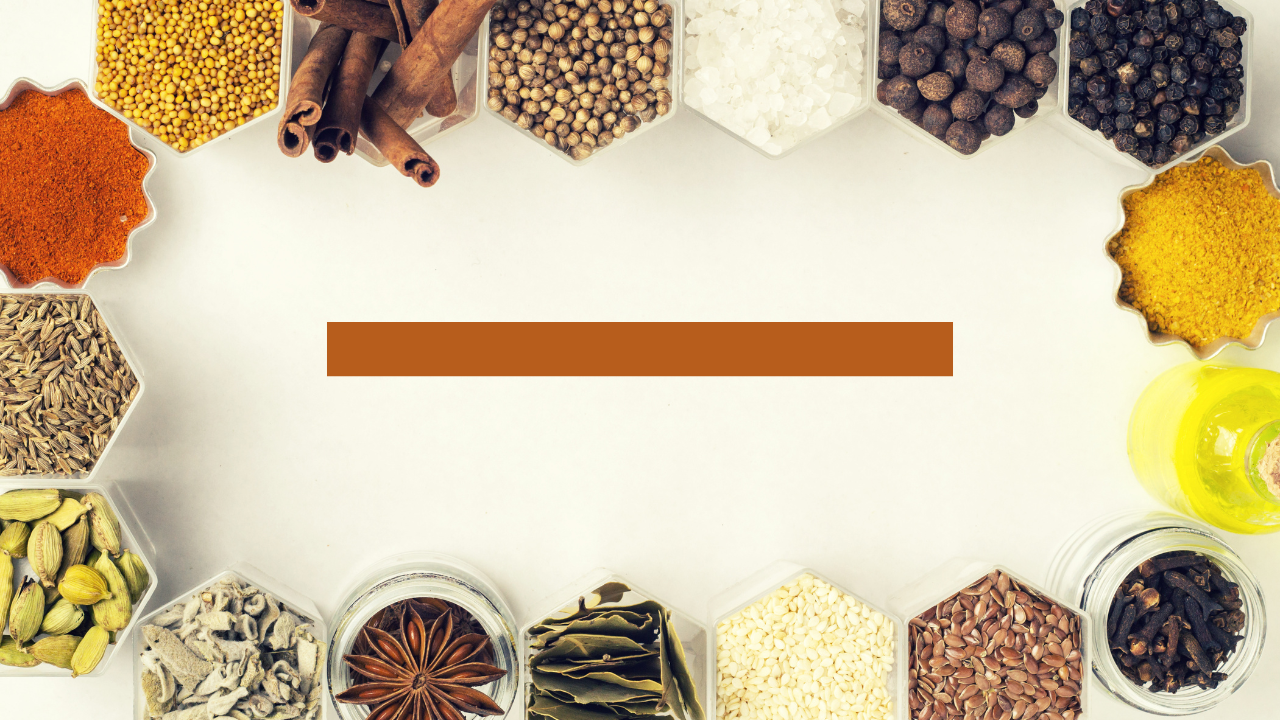
When people think of “farmland,” they often picture flat, open rows of a single crop. But for the modern spice farmer, the future looks less like a field and more like a structured forest. By integrating high-value spices into a 300-row (or “road”) layout, you aren’t just growing ingredients; you’re building a self-sustaining ecosystem.
The Architecture of the “Spice Road”
In a 300-row agroforestry model, “roads” aren’t just for transport—they are functional pathways designed for light penetration and soil health. By staggering your planting, you create a tiered canopy that protects sensitive spices from the harsh midday sun.
Why 300 Rows? The Power of Scale
Scaling to a 300-row system allows for rotational harvesting. While your ginger and turmeric might be ready in 8–10 months, your black pepper vines hit their peak after 3–4 years. This layout ensures that something is always hitting the market, providing a steady “cash road” throughout the seasons.
The Benefits of Integrated Spices
- Micro-Climate Control: Spices like cardamom are sensitive to heat. The shade provided by the upper “roads” of trees keeps the humidity high and the temperature stable.
- Nutrient Cycling: As support trees shed their leaves, they create a natural mulch, feeding the heavy-feeding turmeric and ginger below without the need for excessive chemical fertilizers.
- Pest Resistance: Diversity is the best pesticide. A 300-row mixed system confuses pests that thrive in monocultures, naturally protecting your high-value harvest.
The Spice Pro-Tip: Always plant your rows on a North-South axis. This ensures that as the sun moves, every “road” in your 300-row system gets an equal share of light throughout the day.