
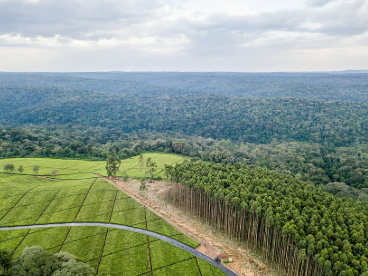
In a world where modern agriculture often pits farming against nature, agroforestry offers a refreshing middle ground. By intentionally integrating trees and shrubs into crop and livestock systems, this ancient practice creates a biological synergy that a monoculture field simply can’t match.
It isn’t just about planting “more trees”; it’s about strategic design. Consider alley cropping, where rows of crops are nestled between lines of high-value trees. This setup creates a microclimate that protects delicate plants from wind and extreme heat while the tree roots stabilize the soil.
The Triple Bottom Line
Agroforestry addresses three critical areas of modern land management:
- Soil Health: Deep-rooted trees pull nutrients from lower soil layers, making them available to surface crops through leaf litter—a natural “nutrient pump.”
- Climate Mitigation: Trees act as a massive carbon sink, sequestering co2 far more effectively than seasonal grasses alone.
- Economic Diversity: Instead of relying on a single harvest, farmers can profit from timber, nuts, or fruit alongside their primary crops, providing a financial safety net. Whether you are a small-scale gardener or a large-scale producer, agroforestry reminds us that when we mimic the structure of a forest, the land works with us, not against us.