
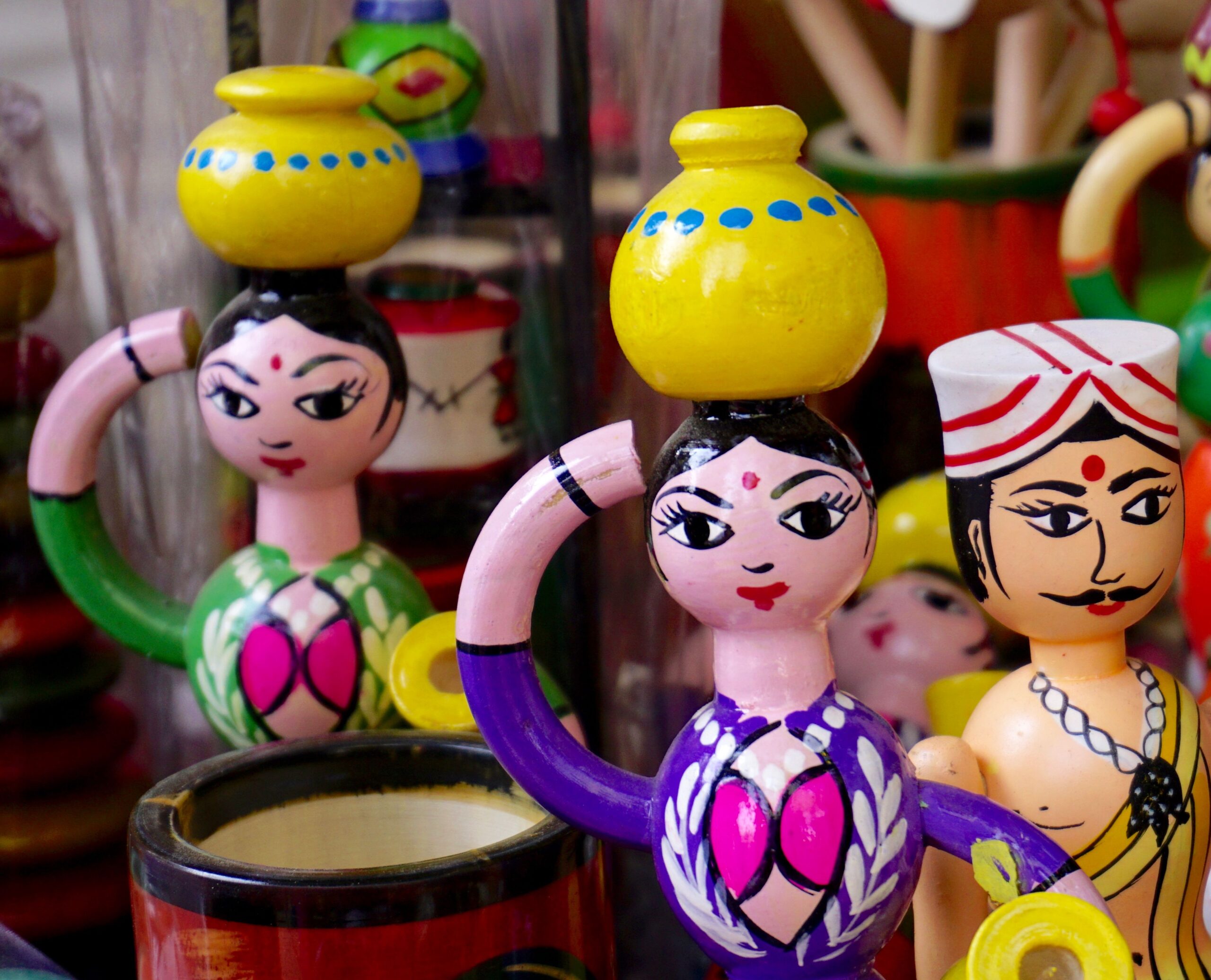
Heritage in Wood: The Complete Guide to Channapatna Dolls & Toys
Nestled along the highway connecting Bengaluru and Mysuru lies Channapatna, a vibrant town globally celebrated as Karnataka's "Gombegala Ooru" (Town of Toys). Famous for its glossy, brightly colored wooden dolls and traditional toys, Channapatna holds a centuries-old...
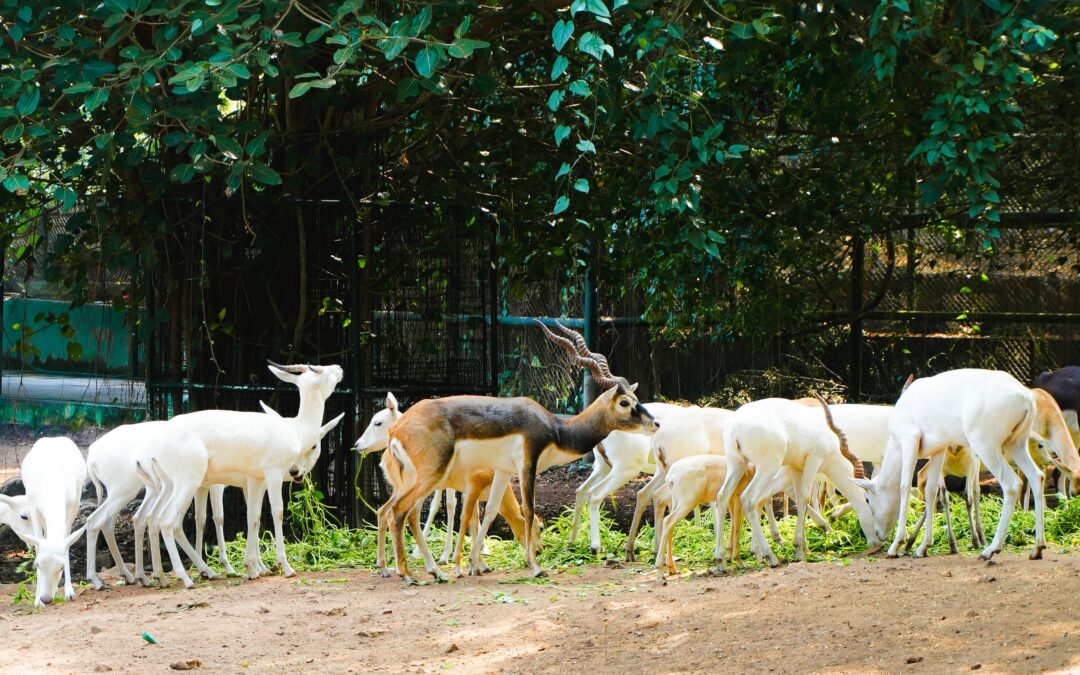
Wild Encounters & Heritage: A Complete Guide to Mysuru Zoo
Established in 1892 by Maharaja Chamarajendra Wadiyar 10th, the Sri Chamarajendra Zoological Gardens—popularly known as Mysore Zoo—is one of the oldest, largest, and best-maintained zoological gardens in India. Spanning over 157 acres, it is famous globally for its...
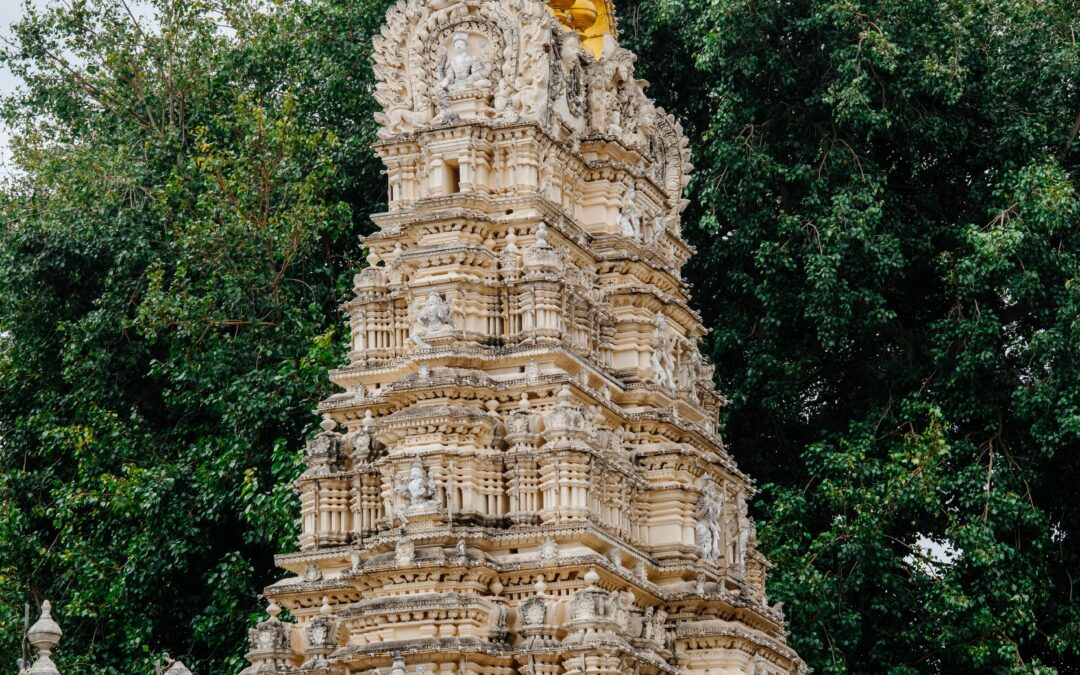
Ascending the Sacred Peak: A Complete Guide to Chamundi Hills, Mysore
Towering over the royal city at an elevation of over 3,400 feet, Chamundi Hills is one of the most prominent spiritual, historical, and scenic landmarks in Mysore (Mysuru). Visible from almost anywhere in the city, the hill holds immense religious significance and...
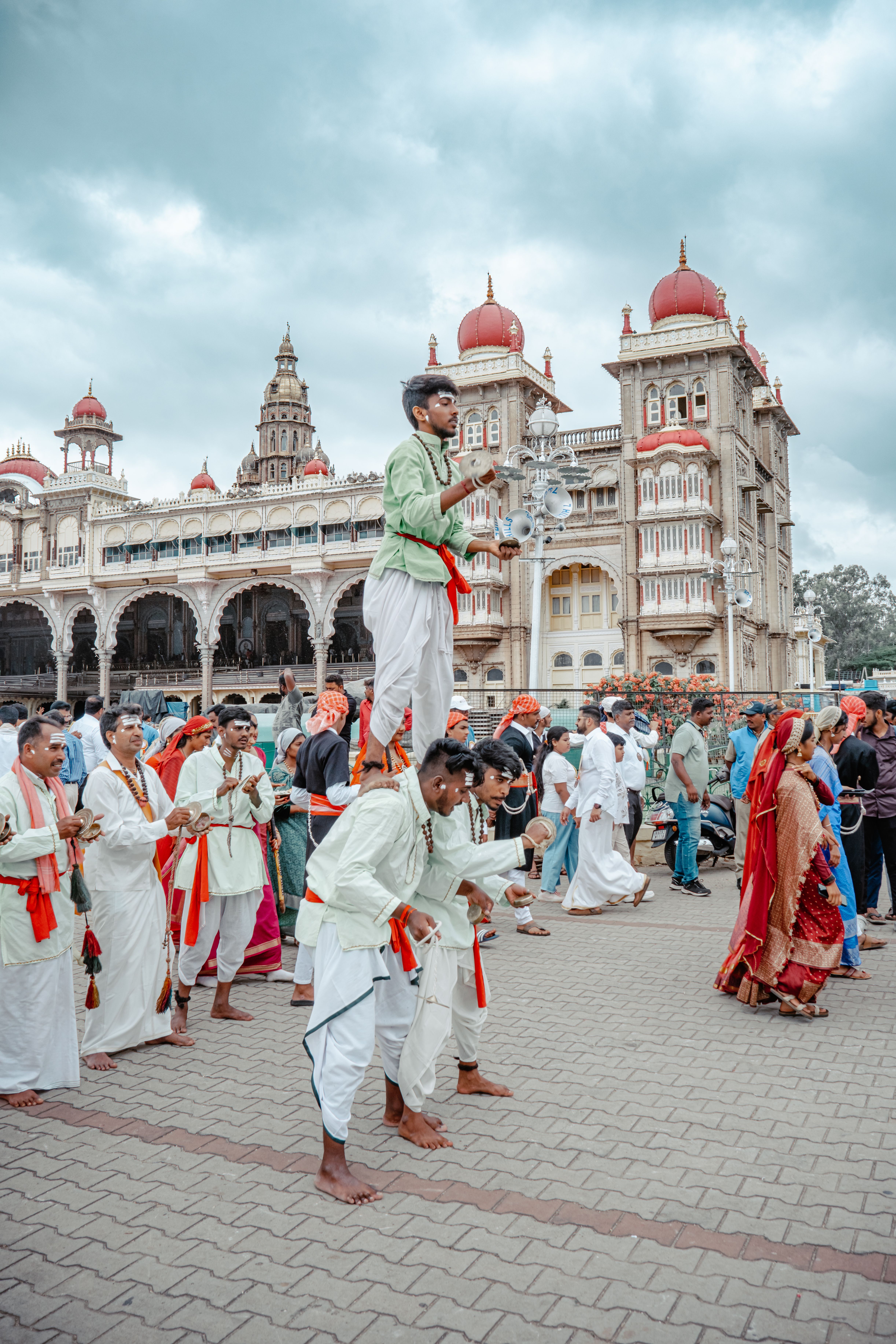
Celebrating Royalty and Triumph: The Grand Mysuru Dasara Festival
Every year, the cultural city of Mysuru (Mysore) in Karnataka transforms into a sparkling spectacle of lights, royal heritage, and grand traditions for Mysuru Dasara. Spanning 10 grand days, this state festival (Nada Habba) attracts visitors from all across the globe...
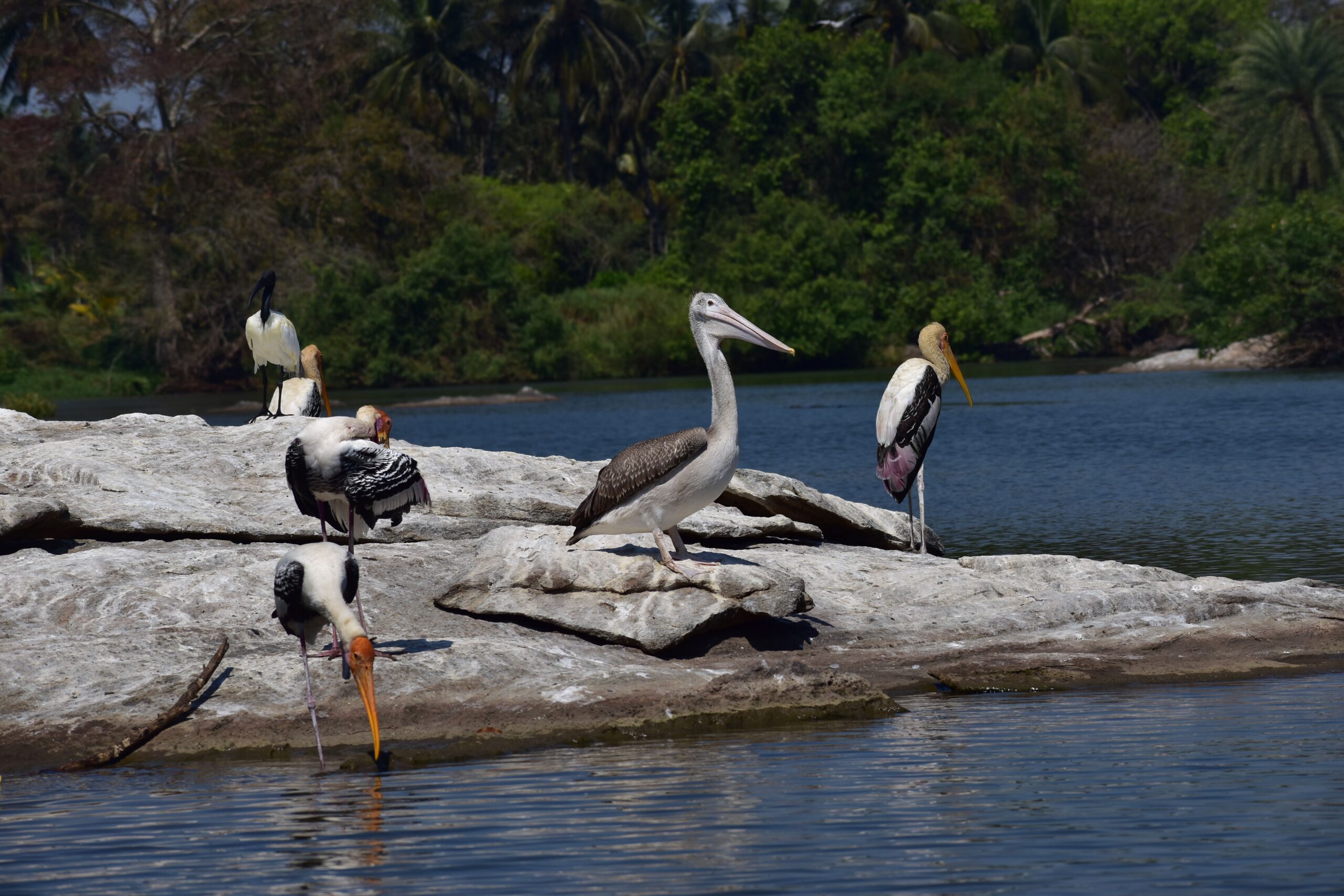
Winged Wonders: The Ultimate Guide to Ranganathittu Bird Sanctuary
Nestled along the banks of the Kaveri River near Srirangapatna and Mysore, Ranganathittu Bird Sanctuary is Karnataka’s largest bird sanctuary and a paradise for nature enthusiasts, photographers, and birdwatchers alike. Spanning six islets along the river, this...
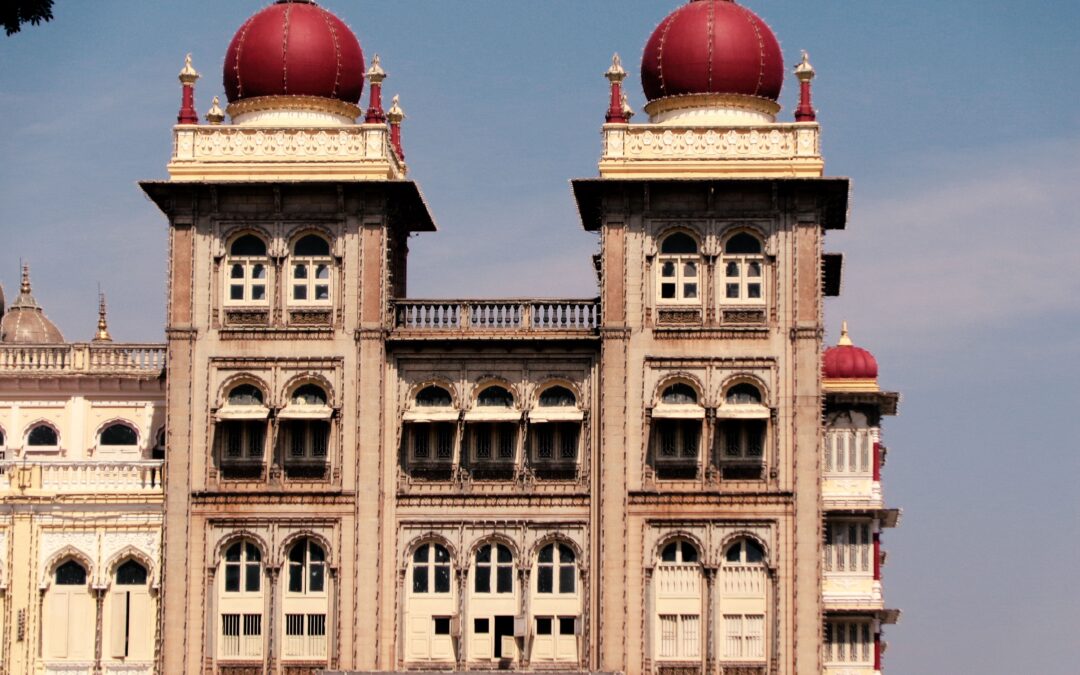
The Jewel of Karnataka: Why Mysore is an Unmissable Tourist Destination
Known as the "Cultural Capital of Karnataka" and the "City of Palaces," Mysore (officially Mysuru) stands as one of South India's most enchanting travel destinations. Nestled at the foothills of the scenic Chamundi Hills, Mysore offers a rare blend of royal heritage,...