In today’s fast-moving world, people are constantly connected to screens, notifications, and busy schedules. While technology has made life convenient, it has also increased stress, anxiety, and mental exhaustion. This is why green spaces are becoming more important than ever before.
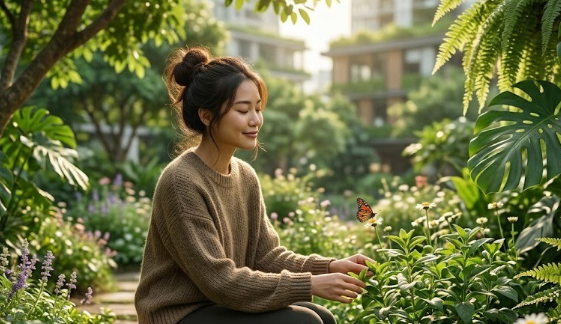
Nature has a powerful effect on human wellbeing. Spending time around trees, plantations, fresh air, and natural landscapes helps calm the mind and improve emotional balance. Even a short walk through greenery can reduce stress levels and improve focus.
Scientists and wellness experts worldwide are now encouraging nature-based lifestyles because they support both mental and physical health. Open spaces promote better breathing, healthier routines, improved sleep, and reduced digital fatigue.
This growing awareness is also influencing how people choose homes, vacations, and investments. Individuals are no longer attracted only to modern buildings — they are searching for environments that make them feel peaceful and connected.
Farm experiences and eco-living communities are becoming increasingly popular because they allow people to reconnect with slower living. Activities like gardening, plantation walks, organic farming, and simply spending time outdoors create a sense of grounding that modern city life often lacks.
Green spaces also play a major role in environmental sustainability. Trees improve air quality, support biodiversity, reduce heat, and contribute to healthier ecosystems. Protecting and creating these spaces is not just beneficial for individuals — it is essential for the future of the planet.
At Nature N Me, nature is not viewed as a luxury addition. It is seen as a necessity for healthier, happier, and more meaningful living.