
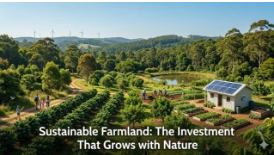
Luxury used to mean penthouses, city skylines, and crowded urban hotspots. But today, the definition of luxury is changing. People are no longer chasing only expensive spaces — they are searching for peace, privacy, wellness, and connection with nature.
This shift is why farmland is becoming the new symbol of modern luxury living.
Across India, especially in scenic destinations like Coorg and Sakleshpur, people are investing in farmland not just for agriculture, but for a completely different way of life.
The Rise of Nature-Centered Living
After years of fast-paced urban lifestyles, many people are beginning to realize that true luxury is not found in traffic-filled cities or concrete buildings.
True luxury is:
- Clean air
- Open green spaces
- Quiet surroundings
- Organic food
- Slower mornings
- Better mental well-being
Farmland offers all of this naturally.
Owning land surrounded by plantations, forests, and hills creates a lifestyle that feels both peaceful and exclusive.
Farmland Is No Longer Just for Farmers
Modern farmland developments are changing traditional perceptions. Today’s managed farmland projects include:
- Private farm plots
- Fruit orchards
- Coffee plantations
- Eco-friendly farmhouses
- Nature trails
- Weekend retreat spaces
This allows working professionals, entrepreneurs, and families to enjoy farmland ownership without needing agricultural experience.
It is becoming a lifestyle investment rather than just a financial one.
Wellness Is the New Wealth
One of the biggest global trends today is wellness-focused living. People are prioritizing:
- Mental peace
- Healthy food
- Outdoor experiences
- Sustainable lifestyles
Farmland naturally supports this lifestyle.
Spending time around greenery has been linked to lower stress levels, improved mood, and better overall well-being. In a world filled with screens and constant noise, nature has become a luxury people are willing to invest in.
The Growing Demand for Weekend Escapes
As remote work and flexible lifestyles continue to grow, people are looking for destinations where they can disconnect from city stress.
Farmland offers the perfect weekend escape:
- Morning walks through plantations
- Campfires under the stars
- Fresh farm-to-table meals
- Rainy-season landscapes
- Quiet spaces for relaxation
Instead of spending weekends in crowded resorts, many families now prefer private nature experiences on their own land.
Sustainable Luxury Is the Future
Modern buyers are becoming more environmentally conscious. Luxury is no longer about excess — it is about sustainability and meaningful experiences.
Sustainable farmland projects often include:
- Rainwater harvesting
- Agroforestry
- Organic farming
- Solar-powered systems
- Eco-conscious land planning
This creates a balance between comfort, investment, and environmental responsibility.
A Legacy Beyond Generations
Unlike trends that fade over time, land remains timeless. Farmland is increasingly seen as a legacy asset that can be passed down through generations.
It represents:
- Stability
- Security
- Emotional value
- Long-term appreciation
- Connection to nature
For many families, owning farmland is not just an investment decision — it is about building a future rooted in peace and sustainability.
Final Thoughts
The future of luxury is shifting away from crowded cities and toward nature-driven living. Farmland offers something modern life is slowly losing — space to breathe, reconnect, and live meaningfully.
As people continue searching for healthier lifestyles and sustainable investments, farmland is emerging as one of the most valuable assets of the future.