
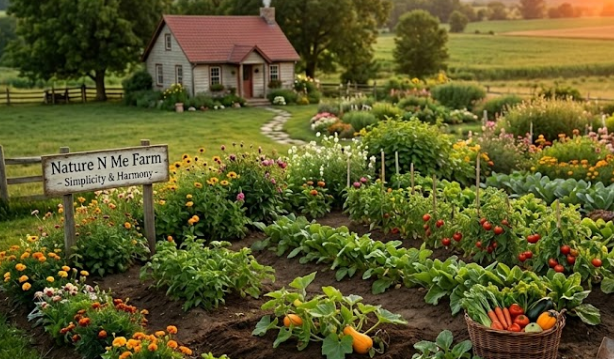
There was a time when luxury meant penthouses, imported cars, and crowded city clubs. Today, luxury looks different. It sounds like birds at sunrise, smells like fresh soil after rain, and feels like a slow morning in the middle of a fruit orchard.
Not everyone wants to become a full-time farmer. But many people are now searching for a deeper connection with nature, healthier living, and an escape from nonstop urban stress. That is exactly why farmland experiences and farmhouses are becoming more desirable than ever before.
The Rise of Conscious Living
Modern life has become fast, digital, and exhausting. People spend most of their day in traffic, meetings, screens, and concrete spaces. Over time, this lifestyle creates burnout.
Today’s generation is no longer only asking: “How much can I earn?”
They are also asking: “How peacefully can I live?”
This shift has increased interest in:
- Sustainable lifestyles
- Organic food cultivation
- Farmhouse stays
- Weekend farming
- Nature retreats
- Slow living experiences
People are no longer investing only for financial returns. They are investing in experiences that improve mental well-being and quality of life.
Why Farmland Feels More Valuable Than Ever
Farmland offers something cities cannot — space to breathe.
Imagine waking up in a farmhouse surrounded by coffee plantations, fruit trees, and mist-covered hills. No honking. No rush. Just silence and fresh air.
For many urban families, farmland is becoming:
- A weekend escape
- A retirement dream
- A wellness investment
- A place for children to reconnect with nature
- A sustainable long-term asset
Unlike temporary vacations, owning or spending time on farmland creates an emotional connection with the land itself.
The Emotional Return on Investment
Most investments are measured in numbers.
But farmland offers emotional returns too.
It gives:
- Peace of mind
- Better sleep
- Reduced stress
- Stronger family bonding
- Healthier food habits
- A break from digital overload
Children who spend time on farms learn patience, responsibility, and respect for nature. Adults rediscover calmness that modern city life slowly takes away.
In many ways, farmland is becoming a form of therapy.
Farmhouses Are Becoming the New Workspaces
Remote work has changed everything.
Today, many entrepreneurs, creators, and professionals are choosing nature-inspired work environments instead of traditional offices.
A farmhouse with:
- Open greenery
- Fresh air
- Quiet surroundings
- Organic food
- Natural lighting
can increase creativity and reduce mental fatigue.
This is why farmhouse stays and eco-living spaces are gaining popularity among young professionals and business owners.
The Future Is Sustainable
The future of luxury is not louder. It is calmer.
People are moving toward:
- Eco-conscious living
- Sustainable architecture
- Organic farming
- Farm-to-table lifestyles
- Nature-connected experiences
Farmland is no longer seen as “just land.” It represents freedom, wellness, and balance.
And as cities continue becoming more crowded, the value of peaceful natural spaces will only grow stronger.
Final Thoughts
Weekend farming is not about escaping life. It is about reconnecting with it.
The simple act of planting a tree, walking through a fruit orchard, or drinking coffee while watching the sunrise over green hills reminds people of something important:
Nature was never a luxury. It was always a necessity.
And perhaps that is why farmland living is becoming one of the most meaningful lifestyle choices of this generation.