
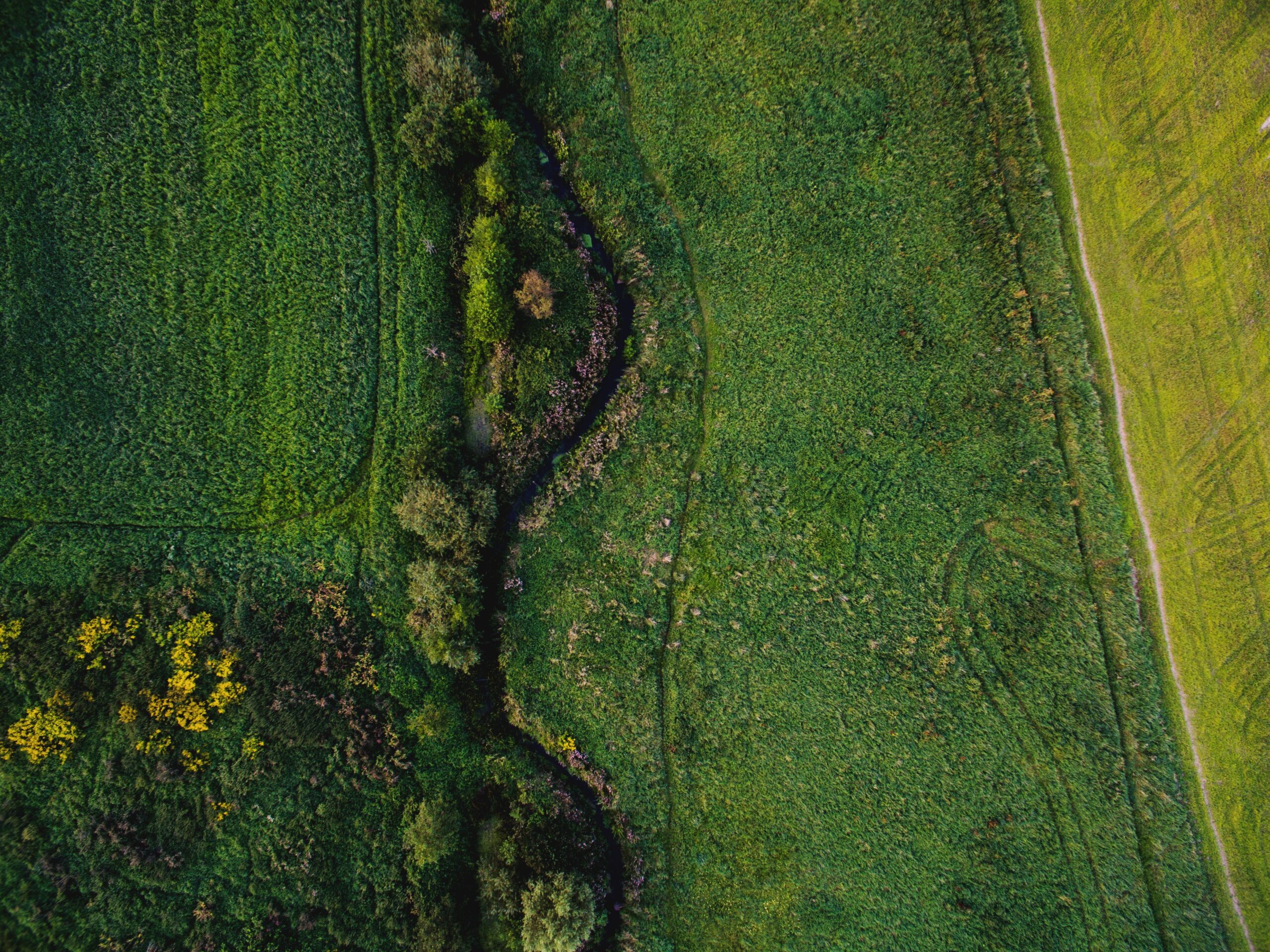
Buying farmland close to Bangalore has become increasingly popular among professionals looking for an alternative asset class outside stocks and real estate. But farmland purchases come with their own process, different from buying an apartment or a plot in a residential layout. Here’s what the process typically looks like from start to finish.
Step 1: Define What You Want From the Land
Before looking at specific plots, get clear on your goal. Are you buying primarily for long-term appreciation, for tax-free agricultural income, as a weekend getaway, or some combination of all three? This affects whether plain farmland or a farmhouse-with-villa option makes more sense for you.
Step 2: Choose a Region
Coorg, Chikmagalur, and other parts of Karnataka within a few hours of Bangalore are common choices for managed farmland. Coorg in particular stands out for its soil quality, rainfall, and established agricultural ecosystem, along with reasonable driving distance from the city.
Step 3: Review the Plot and Soil Report
A credible farmland provider should be able to share soil quality data, water source details, and crop suitability for the specific plot you’re considering. This is the stage to ask questions about what will actually be planted and how long it will take to generate income.
Step 4: Verify Legal Documents
This is the most important step in the entire process. Confirm the land has a clean RTC (Record of Rights, Tenancy, and Crops), check for any pending disputes or encumbrances, and ensure the sale will be completed through a registered sale deed with proper mutation. Never proceed on the basis of a verbal assurance alone.
Step 5: Understand the Management Agreement
Since the land will be managed on your behalf, get clarity on exactly what the management fee covers, how often you’ll receive updates, and how income from crop sales is calculated and passed on to you. This should be documented clearly, not left as an informal understanding.
Step 6: Complete the Purchase
Once documentation and terms are confirmed, the sale is completed and registered in your name. This typically takes 15 to 30 days from agreement to full legal transfer, depending on documentation readiness.
Step 7: Ongoing Involvement
After purchase, your involvement is largely optional. You can visit as often as you like, request updates, or simply let the management team run the farm while you track its progress remotely through periodic reports and photos.
A Final Word of Caution
Farmland investment near Bangalore has grown popular enough that it has also attracted less credible players. Always verify legal documentation independently, ask for references from existing landowners if possible, and be wary of providers promising unrealistically high or immediate returns from agricultural income.
Disclaimer: The views, timelines, and legal references contained in this post are intended solely for general awareness. Real estate values, villa construction schedules, and crop yields from coffee and pepper plantations in Coorg depend on site topography, seasonal weather variations, and market conditions. Nature N Me does not guarantee specific construction completion dates or crop income. Prospective buyers should independently verify all land records (RTC, revenue mutations, title deeds) with a certified legal expert before making investment decisions.