
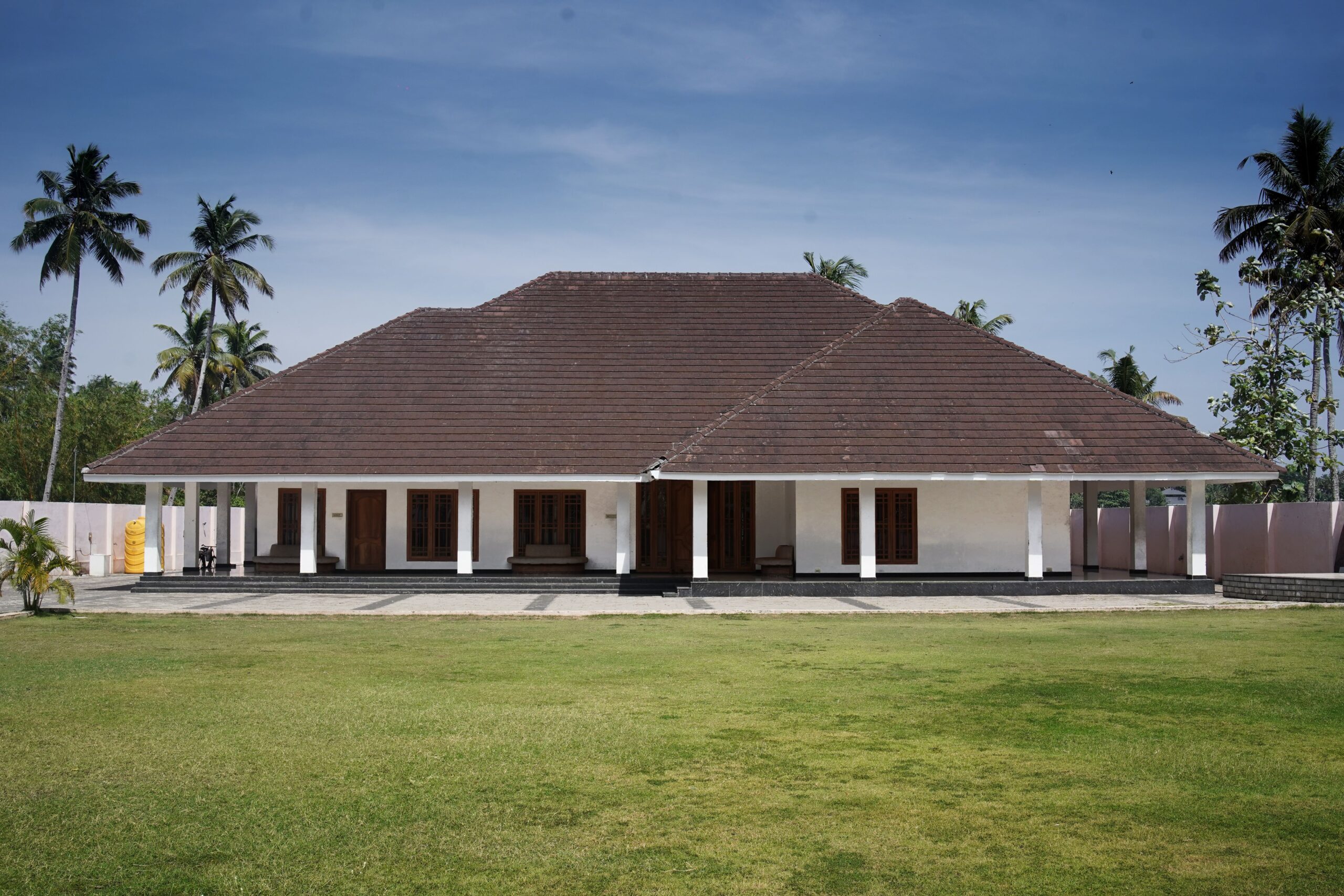
Coorg is one of Karnataka’s most distinctive agricultural and natural landscapes. Known for its coffee plantations, rolling hills, forests, streams, and rich greenery, the region has long been associated with plantation life and farming.
Today, these characteristics are also attracting people who want a different kind of lifestyle — one centred around nature, open spaces, agriculture, and sustainable land use.
This makes Coorg an interesting location for farmhouse living and agroforestry.
Coorg’s Strong Agricultural Identity
Agriculture is an important part of Coorg’s landscape and heritage.
The region is particularly famous for coffee cultivation, while various other crops, trees, fruits, and plantation species contribute to its agricultural diversity.
This established farming environment creates a natural setting for properties that integrate residential spaces with agricultural land.
For someone interested in owning a farmhouse surrounded by farmland, Coorg offers an environment where agriculture is already an important part of the landscape.
What Is Agroforestry?
Agroforestry is a land-use approach that combines trees with crops, livestock, or other agricultural activities within the same landscape.
Rather than treating agriculture and trees as completely separate systems, agroforestry aims to create a more integrated ecosystem.
Depending on the land and farming model, agroforestry can support:
- Greater plant diversity
- Soil protection
- Habitat for biodiversity
- Better use of land
- Long-term tree growth
- More natural agricultural landscapes
The exact benefits depend on how the system is designed and managed.
Coorg’s Natural Landscape Supports the Concept
Coorg’s green landscape makes it particularly suitable for agricultural systems that incorporate trees and plantations.
The combination of hills, rainfall, existing vegetation, and plantation-based agriculture creates an environment where trees and crops can form an important part of the landscape.
This is one reason agroforestry can fit naturally into certain managed farmland projects in the region.
Farmhouse Living Surrounded by Greenery
One of the biggest attractions of owning a farmhouse in Coorg is the surrounding environment.
Unlike an urban property, a farmhouse can be integrated into a landscape of trees, plantations, crops, and open spaces.
Agroforestry can further enhance this setting by creating a diverse green environment around the property.
For owners, this means the farmhouse becomes part of the landscape rather than simply a building surrounded by other buildings.
A Closer Connection to Nature
Modern urban life can limit everyday interaction with natural environments.
Farmhouse living in an agricultural landscape offers a different experience.
Owners can observe seasonal changes, plant growth, birds, insects, trees, and farming activities during their visits.
This connection with nature can make a countryside property more rewarding for families, particularly those who want children to experience an environment beyond the city.
The Role of Managed Farmland
Agroforestry and agricultural land require proper planning and maintenance.
This is where managed farmland can be valuable.
Professional teams can oversee agricultural activities, irrigation, plantation maintenance, and other routine requirements according to the project’s farming model.
For urban owners who cannot personally manage farmland, professional support can make the experience more practical.
Why This Combination Appeals to Urban Buyers
A farmhouse within managed farmland offers three experiences in one:
A place to live → A connection to nature → An agricultural environment
This combination can appeal to people who want their second home to feel different from a conventional residential property.
Instead of simply owning a house outside the city, owners can become part of a living agricultural landscape.
Coorg as a Weekend Destination
Another factor contributing to Coorg’s appeal is its accessibility from Bangalore.
For professionals based in Bangalore, Coorg can serve as a destination for weekend breaks, holidays, and longer stays.
This makes farmhouse ownership more practical for people who want to use their property regularly rather than only once or twice a year.
Farmhouse Living Without Giving Up Modern Comfort
Living close to nature does not necessarily mean giving up comfort.
A well-planned farmhouse can provide modern amenities while retaining the character of its natural surroundings.
The goal is to create a balance between comfortable living and the experience of being connected to the land.
A Sustainable Lifestyle Perspective
For some buyers, the attraction of a farmhouse is not simply owning a property. It is about adopting a lifestyle that feels closer to nature.
Agroforestry, when thoughtfully planned and appropriately managed, can support a more diverse agricultural landscape.
Combined with responsible water management, soil care, plantation maintenance, and biodiversity-conscious practices, it can contribute to a more sustainable approach to rural land use.
What to Look for in an Agroforestry-Based Farm Project
If you are considering a farmhouse or managed farmland project in Coorg, look beyond the farmhouse itself.
Consider:
- What crops and trees are being cultivated?
- How is the farmland managed?
- What irrigation system is used?
- How is soil health maintained?
- What is the approach to biodiversity?
- Who handles farm maintenance?
- What infrastructure is available?
- What are the ownership and management arrangements?
Understanding these factors can help you identify a project that aligns with your expectations.
Final Thoughts
Coorg’s agricultural heritage, natural landscapes, and greenery make it an appealing location for farmhouse living and agroforestry.
For people from Bangalore looking for a second home, a farmhouse surrounded by managed farmland can provide something beyond conventional property ownership — a chance to spend time in nature while remaining connected to agriculture.
When thoughtfully planned and professionally managed, the combination of farmhouse living, managed farmland, and agroforestry can create a countryside experience built around greenery, agriculture, and a slower pace of life.