
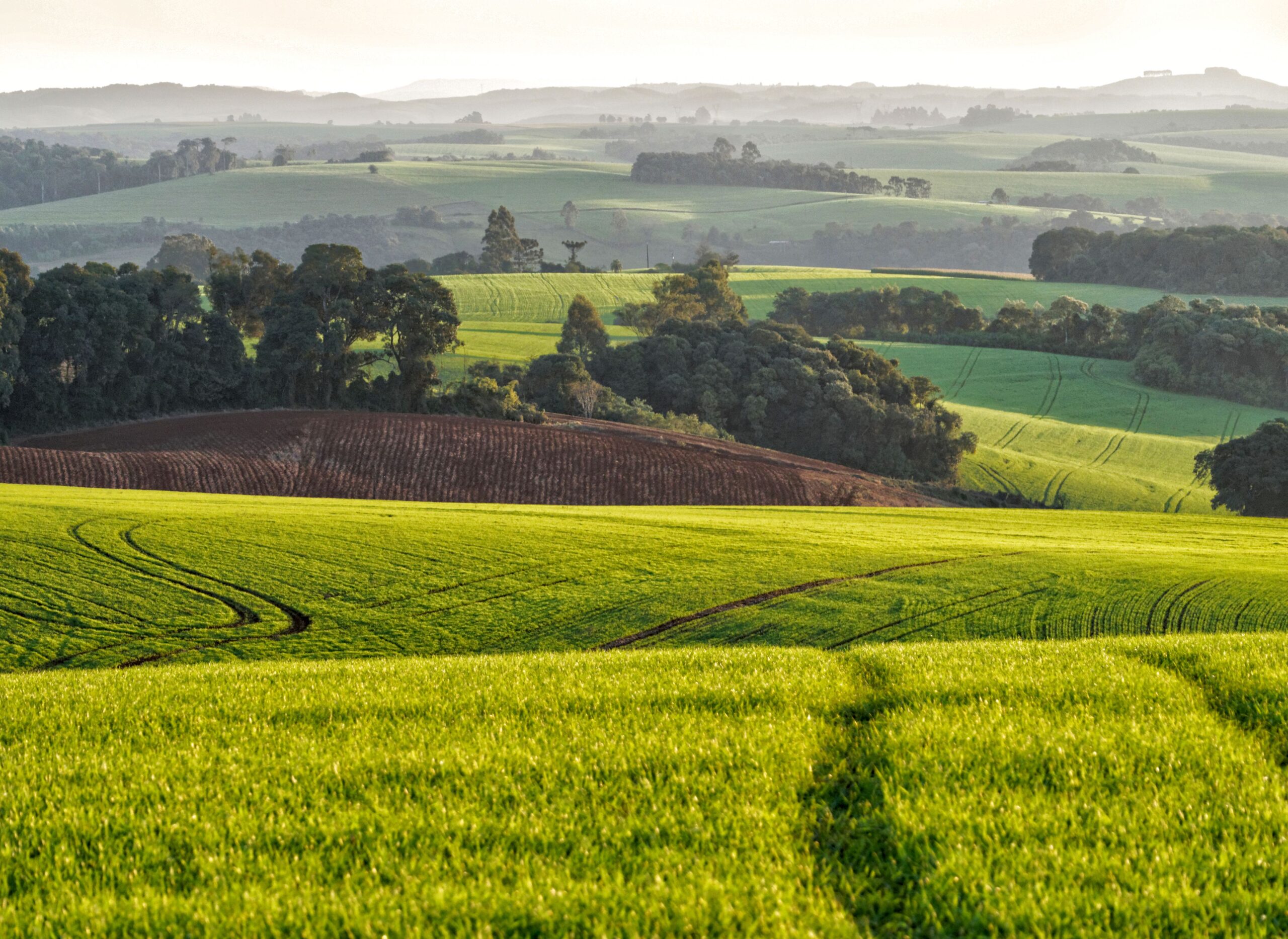
The most frequently requested but least frequently provided piece of information in managed farmland investment is a complete, specific total return calculation across the full investment horizon — including all return components, with realistic rather than optimistic assumptions. This FAQ provides exactly this calculation for a five-acre agroforestry farmland plot in Karnataka, with documented assumptions at every step.
The Investment Parameters
Plot: Five acres of agroforestry managed farmland in Karnataka’s productive agricultural belt (Mysore zone parameters, applicable also to lower-altitude Coorg sections).
Purchase price: Twelve lakhs per acre × five acres = sixty lakhs total land cost.
Transaction costs (stamp duty, registration, legal): Approximately four lakhs.
Total initial investment: Sixty-four lakhs.
Planting composition: Silver oak and teak canopy (thirty to forty trees per acre), mango (twenty trees per acre = one hundred trees total), sapota (eight trees per acre = forty trees total), guava (ten trees per acre = fifty trees total), pineapple as bridge crop (years one to three), pepper vines on shade trees.
Land Appreciation: Years 1 to 15
Conservative assumption: Ten percent annual appreciation (below the twelve to fifteen percent documented in recent Madikeri transactions, to be conservative).
Year one value: Sixty-six lakhs (ten percent appreciation on sixty lakhs land value, keeping transaction costs separate).
Year five value: Sixty lakhs × 1.61 = ninety-six point six lakhs.
Year ten value: Sixty lakhs × 2.59 = one crore fifty-five point four lakhs.
Year fifteen value: Sixty lakhs × 4.18 = two crore fifty point eight lakhs.
Total land appreciation over fifteen years: Two crore fifty point eight lakhs minus sixty lakhs original = one crore ninety point eight lakhs.
Crop Income: Years 1 to 15
Year one to two: Pineapple bridge crop and small early guava income. Conservative: fifty thousand per year. Total: one lakh.
Year three to four: Guava at commercial volumes, sapota early production, pineapple continuing, pepper first bearing. Conservative: one lakh fifty thousand per year. Total: three lakhs.
Year five to seven: Mango entering commercial production, sapota at commercial levels, guava mature, pepper productive. Conservative: four lakhs per year. Total: twelve lakhs.
Year eight to ten: Mango approaching peak, all fruit species at commercial maturity, silver oak pruning income beginning. Conservative: six lakhs per year. Total: eighteen lakhs.
Year eleven to thirteen: Full production of all species, mango at peak, timber value building. Conservative: seven lakhs per year. Total: twenty-one lakhs.
Year fourteen to fifteen: Continued full production plus selective silver oak timber harvest beginning. Conservative: eight lakhs per year. Total: sixteen lakhs.
Total cumulative crop income over fifteen years: One lakh + three lakhs + twelve lakhs + eighteen lakhs + twenty-one lakhs + sixteen lakhs = seventy-one lakhs.
All of this income is completely exempt from income tax. For a thirty percent bracket investor, the pre-tax equivalent of seventy-one lakhs of tax-free income is approximately one crore one and a half lakhs.
Timber Value: Beginning Year 15
By year fifteen, the silver oak stand has been selectively harvested for pruning wood income (included in years eight to fifteen crop income above) and the first selective harvest of mature silver oak trees can begin. Thirty mature silver oak trees per acre × five acres = one hundred and fifty trees at first selective harvest of thirty percent (forty-five trees): forty-five trees × thirty thousand rupees per tree (conservative for fifteen-year silver oak) = thirteen and a half lakhs lump-sum timber income.
Teak trees at year fifteen are approaching but not yet at primary harvest maturity — they are accumulating value toward the year twenty to twenty-five harvest event that will generate the largest lump-sum timber income. Standing timber value at year fifteen: estimated fifteen to twenty-five lakhs for the teak stand, unrealised until harvest.
The Complete Fifteen-Year Return Picture
Initial investment: sixty-four lakhs.
Land value at year fifteen: two crore fifty point eight lakhs.
Cumulative crop income received: seventy-one lakhs.
Silver oak selective harvest (year fifteen): thirteen and a half lakhs.
Total value created: two crore fifty point eight lakhs (land) + seventy-one lakhs (crop income) + thirteen and a half lakhs (timber) = three crore thirty-five point three lakhs.
Return on sixty-four lakh investment over fifteen years: three crore thirty-five point three lakhs total value. Multiple of original investment: approximately five point two times.
CAGR of total return: approximately twelve to thirteen percent per year across the fifteen-year period — consistent with the structural appreciation and income profile of quality Karnataka agroforestry farmland.
The Critical Caveat
These calculations use conservative assumptions at every step — ten percent land appreciation rather than the twelve to fifteen percent documented recently, conservative crop income estimates that assume no specialty market premium access, and timber values at the lower end of documented market prices. The actual returns from well-managed, well-located Karnataka agroforestry farmland over fifteen years are likely to be above these conservative figures in most realistic scenarios.
The purpose of using conservative assumptions is to demonstrate that even at below-current-trend appreciation and conservative income, the total return case for quality Karnataka agroforestry managed farmland over a fifteen-year horizon is compelling on the numbers — not just on the lifestyle and diversification arguments.
Disclaimer: The calculations, crop yields, land appreciation rates, and timber returns presented in this article are based on conservative assumptions and historical data for illustrative purposes only. Actual returns on managed farmland plots in Karnataka or other regions will vary based on specific location, weather patterns, soil quality, market fluctuations, and management execution. This content does not constitute financial, tax, or legal investment advice. Prospective investors should perform their own due diligence and consult with qualified legal and financial advisors before making investment decisions.