Agroforestry is a word that investors encounter early in their managed farmland research and often move past without fully understanding what it means or why it matters. This FAQ answers the most fundamental questions about agroforestry in plain language — without agricultural jargon and with specific reference to how it works on Indian managed farmland.
What exactly is agroforestry?
Agroforestry is the intentional growing of trees alongside agricultural crops on the same piece of land, designed as an integrated system where each component benefits the others. The word combines “agro” (agriculture) and “forestry” — it is literally farming that includes trees as deliberate productive elements rather than treating trees and crops as separate and competing uses of the same land.
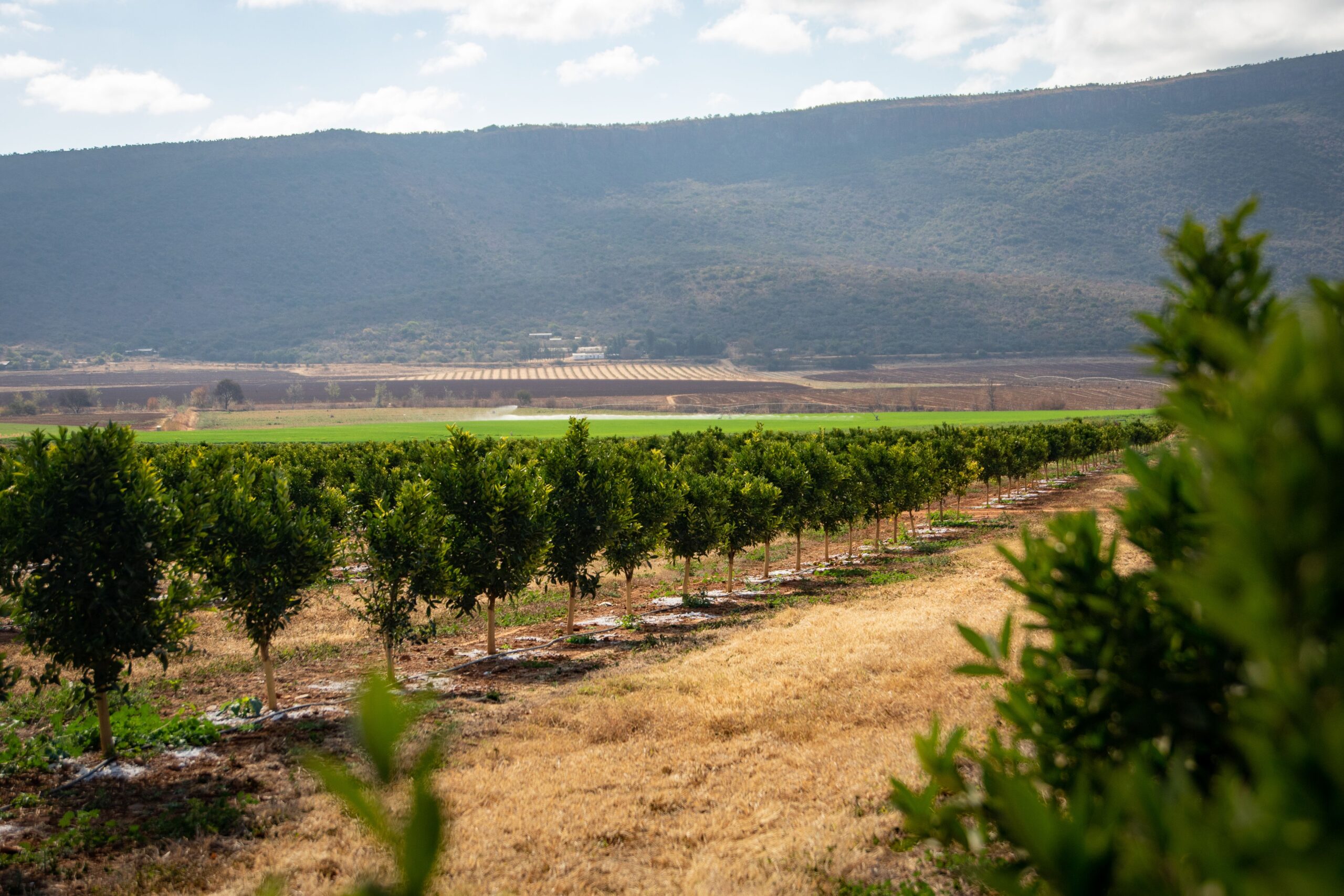
On a Nature N Me managed farmland plot near Coorg or Mysore, agroforestry means the same acre of land simultaneously supports a canopy of tall shade trees (silver oak, teak), a productive layer of fruit trees (mango, sapota, avocado), ground-level crops (coffee in Coorg, vegetables and pulses in some Mysore plots), and climbing crops (pepper vines on tree trunks, vanilla in some systems). Each layer uses a different part of the available space — different heights, different root depths, different light requirements — without directly competing with the others for the same resources.
Why does this matter compared to growing just one crop?
Monoculture farming — growing a single crop uniformly across the entire land area — has one practical advantage: simplicity. One crop, one management protocol, one market relationship, one harvest season. This simplicity is also the source of monoculture’s primary weaknesses.
When a single pest attacks a monoculture, the entire income is at risk simultaneously. When the commodity price for that single crop falls, the entire estate income falls with it. When weather conditions are unfavourable for that specific crop’s requirements, the entire harvest is compromised.
Well-managed agroforestry plots yield thirty to fifty percent more income for farmers compared to monoculture farming alone — not because the individual crops produce more, but because the combination of multiple income streams, the ecological services that trees provide to the crops below them, and the reduced pest and disease pressure of a diverse system produces a total output that exceeds what monoculture on the same land achieves.
What are the specific ecological services that trees provide to the crops below?
This is the scientifically interesting part of agroforestry that most investors do not initially understand. The shade trees on a managed farmland estate are not simply providing shade — they are actively improving the agricultural system in multiple ways simultaneously.
Nitrogen fixation: Silver oak (Grevillea robusta), the most common shade tree on Coorg coffee estates, hosts nitrogen-fixing bacteria in its root nodules that convert atmospheric nitrogen into plant-available form, effectively fertilising the soil around them without purchased inputs.
Microclimate moderation: The shade canopy reduces peak afternoon temperatures by three to five degrees Celsius, maintains higher humidity in the understorey, and reduces wind speed — creating the cooler, moister microclimate that Arabica coffee and cardamom specifically prefer.
Organic matter cycling: Leaf litter from shade trees falls continuously, decomposing to add organic matter that improves soil structure, water retention, and biological activity across the estate.
Root architecture: The deep roots of tall timber trees reach soil layers that the shallow-rooted coffee or vegetable crops cannot access, bringing up minerals from depth and releasing them at the surface through leaf fall — effectively mining the subsoil for nutrients that the surface crops then use.
Is agroforestry recognised by the Indian government as a legitimate agricultural practice?
Yes. The National Agroforestry Policy (2014) specifically recognised agroforestry as a priority agricultural development model, acknowledging its income, ecological, and food security benefits. Various central and state government schemes — including the National Agroforestry Policy’s implementation programs and Karnataka’s own horticultural support programs — specifically support agroforestry establishment.
This government recognition matters for investors because it means that government agricultural support schemes (subsidised planting material, drip irrigation subsidies, soil health programs) are available for agroforestry systems, not just for monoculture farming. Nature N Me’s management team monitors and applies for applicable support schemes across our managed farmland portfolio.
Disclaimer: The information provided in this article is for general informational and educational purposes only and does not constitute financial, legal, tax, or investment advice. While agroforestry systems and managed farmland can offer various agricultural and ecological benefits, crop yields, financial returns, and tax benefits may vary based on weather conditions, market fluctuations, location, and government policies. Potential investors should conduct their own due diligence and consult with qualified financial and legal advisors before making any investment decisions. Nature N Me does not guarantee specific yields, returns, or government scheme approvals.