
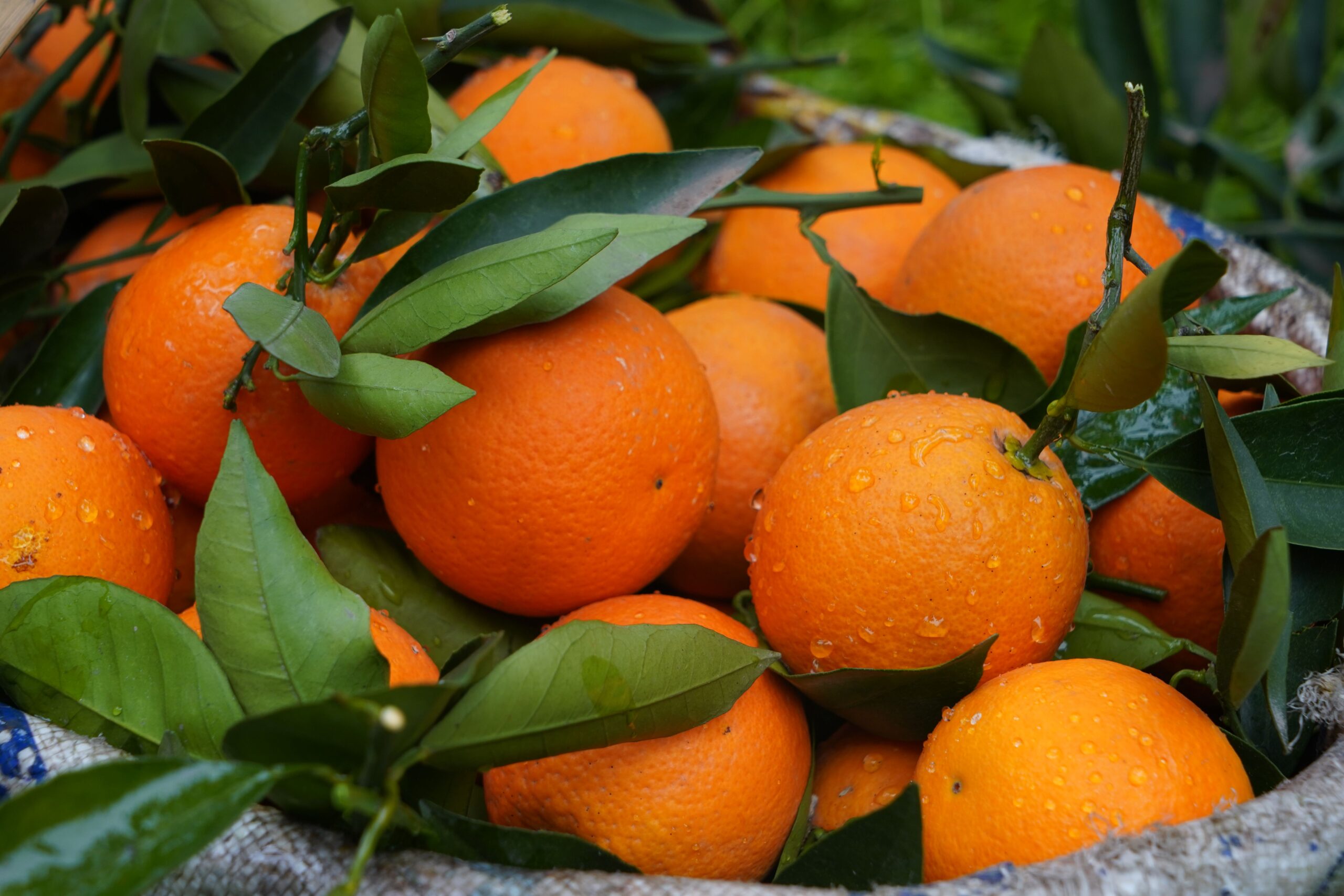
Among the fruit crops grown in Coorg’s agricultural estates, one has a specific geographic identity that makes it distinctive beyond its agricultural characteristics: the Coorg orange — a loose-skinned mandarin (Citrus reticulata) that has been grown in Kodagu’s specific micro-climate for generations and that carries the district’s name as a geographic identity in its market positioning.
The Coorg orange is not an internationally renowned variety like Alphonso mango. But within Karnataka and across South India’s premium fruit markets, “Coorg orange” is a recognised provenance signal — a fruit that consumers specifically seek out, that commands a premium over generic mandarin from other origins, and that has a flavour character that reflects its growing conditions in the Western Ghats’ specific altitude and humidity profile.
Why Coorg’s Climate Produces Distinctive Mandarin
Mandarin orange quality is determined by the balance between the fruit’s natural sugar content and its acid content — the ratio that determines whether the fruit tastes sweet-tart and refreshing or flat and sweet. Coorg’s cool nights (particularly at higher altitudes during the October to February harvest season) slow the breakdown of malic acid in the developing fruit, preserving a higher acid-to-sugar ratio than would be achieved in a hotter, uniform-temperature growing environment.
The result is a fruit with the bright, refreshing character that distinguishes quality mandarin from the flat sweetness of inferior fruit. This flavour profile is what Coorg orange buyers are seeking when they specifically ask for Coorg origin rather than accepting generic mandarin from Nagpur or other conventional sources.
Where Coorg Orange Grows on an Estate
Mandarin orange cultivation in Coorg is best suited to altitudes between seven hundred and twelve hundred metres — the transitional zone between the lower-altitude Virajpet region and the prime Arabica coffee belt of central Madikeri. In this altitude range, the temperature and humidity profile suits mandarin’s requirements for cool ripening conditions while remaining warm enough for adequate growth.
On a mixed agroforestry estate in this altitude zone, mandarin can be integrated as a mid-canopy fruit tree alongside coffee, pepper, and other crops — occupying a different vertical and horizontal niche from the coffee without significantly competing for the same light and root space.
The Income Timeline and What Coorg Orange Earns
Mandarin orange from grafted planting material begins bearing from year three to four, with commercial quantities from year four to five. A mature Coorg orange tree produces thirty to sixty kilograms of fruit per season in October to February, with well-managed trees at peak production yielding up to one hundred kilograms in exceptional conditions.
At current farm-gate prices of twenty to forty rupees per kilogram for Coorg-origin mandarin (with premium positioning to Bangalore markets achieving forty to sixty rupees per kilogram), the per-tree annual income ranges from six hundred to six thousand rupees depending on yield and market channel. An acre of mandarin planting at forty trees achieves twenty-four thousand to two lakh forty thousand rupees annually at full production — a wide range reflecting variety, altitude, management, and market channel differences.
The Geographic Brand Opportunity
The Coorg orange’s geographic identity creates a specific branding opportunity that most current growers have not fully exploited. Boxed, labelled, and marketed as “Coorg mandarin — Western Ghats grown,” the same fruit commands prices in Bangalore’s premium grocery and direct-to-consumer channels significantly above APMC commodity prices. The farm-to-consumer story that Coorg’s agricultural heritage enables is particularly compelling for a fruit that most consumers have eaten but never thought about the origin of.
Contact Nature N Me at naturenme.in or WhatsApp +91 98805 21637 to discuss whether orange cultivation is appropriate for altitude-suitable plots in the available portfolio.
Frequently Asked Questions
What makes the Coorg orange distinct from other mandarin varieties?
It is a loose-skinned mandarin (Citrus reticulata) grown in Kodagu’s unique micro-climate, featuring a balanced sweet-tart flavor preserved by cool night temperatures during its ripening season.
What altitude is best suited for growing Coorg oranges?
The optimal altitude range is between 700 metres and 1,200 metres above sea level—the zone between lower-altitude Virajpet and central Madikeri.
How can Coorg orange trees be integrated into an existing estate?
On mixed agroforestry estates, mandarin trees can be grown as mid-canopy fruit trees alongside coffee and black pepper, fitting into a distinct vertical niche without competing heavily for light or root space.
What is the timeline for fruit production?
Grafted planting material begins bearing fruit within 3 to 4 years, reaching commercial-scale production by years 4 to 5, with the main harvest season running from October to February.
What is the typical yield and income potential per tree?
A mature tree produces 30 to 60 kg per season (up to 100 kg under optimal management). At farm-gate prices of ₹20 to ₹40 per kg, a mature tree generates between ₹600 and ₹6,000 annually, depending on yield and distribution channels.
What is the main market branding opportunity for growers?
By branding and packaging the fruit as “Coorg mandarin — Western Ghats grown” for direct-to-consumer or premium grocery channels in major cities like Bangalore, growers can command prices higher than standard APMC commodity rates.
Disclaimer
Disclaimer: The information provided above is for general educational and informational purposes only, based on the article provided. Agricultural yields, tree productivity, and financial returns depend on various unpredictable factors, including weather conditions, soil quality, pest management, market fluctuations, and farming practices. Prospective land buyers and growers should conduct independent feasibility assessments and consult with professional agronomists and financial advisors before undertaking commercial crop cultivation.