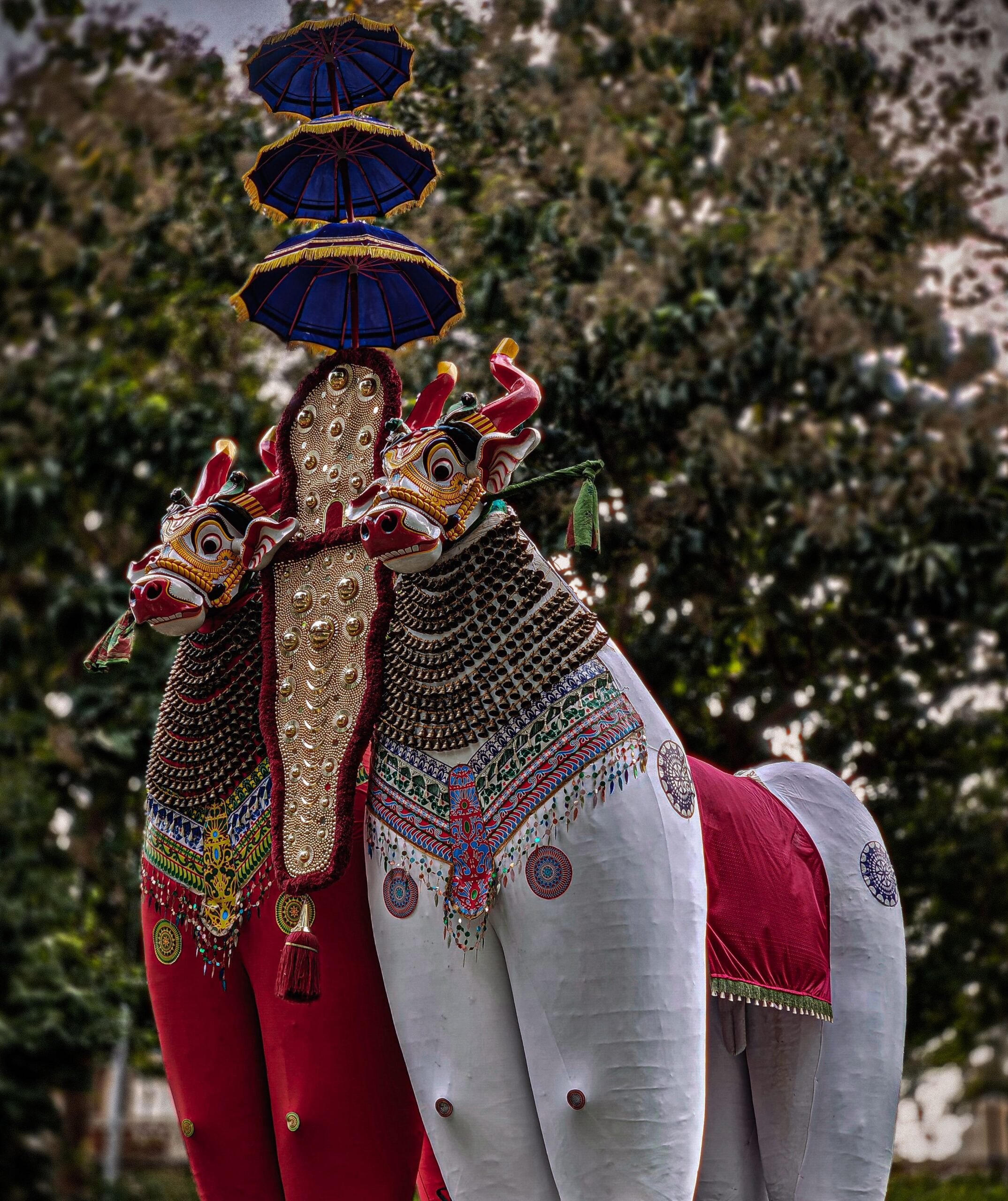
One of the most frequently overlooked dimensions of owning agricultural land in Coorg is the cultural calendar that comes with it. Kodagu district has one of India’s most distinctive and best-preserved regional cultural traditions — festivals, ceremonies, and seasonal observances that have been maintained by the Kodava community across centuries and that are still celebrated with genuine vigour rather than as tourist performances. Investors who visit their estate regularly become, over time, genuine participants in this calendar rather than observers from the outside.
Kailpodh: The Festival of Arms
Kailpodh — celebrated on the new moon day of October — is the most distinctively Kodava of all the district’s festivals. Literally the “offering of weapons,” Kailpodh is a ceremony in which Kodava men bring out and worship their traditional weapons — the odikathi (a distinctive Kodava knife), guns, and other implements — as symbols of the martial heritage that defines Kodava identity. The festival involves community gatherings, ritual weapon worship, and the specific foods and rituals associated with the Kodava tradition.
For an investor visiting their Coorg estate in October — the post-monsoon season when estates are beautiful and accessible — Kailpodh’s community celebrations are visible in the villages and estates throughout the district. Farms managed by Kodava families or communities will be observing the festival, and the specific cultural character of the day is unmistakable in the atmosphere of the agricultural community.
Puttari: The Harvest Festival
Puttari — the Kodava harvest festival — celebrates the first rice harvest of the season, typically falling in November or December. Puttari is a home and family festival in the Kodava tradition — celebrated within family units at their ancestral homes (ainmane) — but its spirit extends across the entire agricultural community. The festival marks the transition from the productive agricultural year to the harvest season, and in the Kodagu agricultural community it is marked by the same spirit of relief and gratitude that harvest festivals carry universally.
For a managed farmland investor whose coffee harvest begins in December — immediately following the Puttari period — the festival marks the beginning of the estate’s most commercially significant season. A Puttari visit to Coorg — November or early December — gives the investor the experience of arriving at the harvest season’s threshold alongside the community that maintains and manages their estate.
Cauvery Sankramana: The River Festival
The Cauvery Sankramana — celebrated at Talakaveri, the source of the Cauvery river in the Brahmagiri hills of southwestern Kodagu — is a festival of specific religious and ecological significance. The Cauvery river’s source at Talakaveri is a sacred site, and at the specific astronomical moment of the Sankramana (when the sun enters a new zodiac sign), the spring at Talakaveri is believed to overflow in a sacred manifestation. Thousands of pilgrims gather at Talakaveri on this day each year.
The festival’s significance for farmland investors is its reminder of what makes Coorg’s agricultural water abundance possible — the same Brahmagiri hills where the Cauvery originates are the headwaters of the river system that sustains the district’s agricultural productivity. Visiting Talakaveri during the Cauvery Sankramana is a specific experience of the landscape’s water-source character that no agricultural document communicates.
Keil Muhurtha: The Community Agricultural Ceremony
Keil Muhurtha is the ceremony that marks the beginning of the agricultural cultivation season — a collective community observation of the moment when agricultural work for the new season begins. The ceremony involves specific rituals performed by community members before the first cultivation work of the season commences, seeking blessings for a productive year.
For an investor whose estate is managed by a team drawn from the Kodava agricultural community, Keil Muhurtha marks the beginning of the management season in cultural terms — the community acknowledgment that the agricultural year is starting. Being aware of this calendar and its meaning to the management team creates a dimension of the investor-manager relationship that goes beyond employment and service and touches the cultural identity of the agricultural community whose knowledge and labour sustains the estate.
The Investment in Cultural Depth
These festivals are not tourist events — they are the living cultural calendar of a community that has maintained its distinctive identity through centuries of historical change. Access to them, as a landowner within the Kodagu landscape rather than as a tourist passing through, is one of the most quietly significant dimensions of Coorg estate ownership.
The investor who has been visiting their estate for five years, who knows the farm manager well, who has been present in Madikeri during Puttari or Kailpodh, has a relationship with this landscape and this community that no amount of resort tourism provides. It is the slow, accumulated relationship of someone who belongs to the place — not fully, not as a Kodava, but as a landowner who has chosen to be present and engaged across time.