
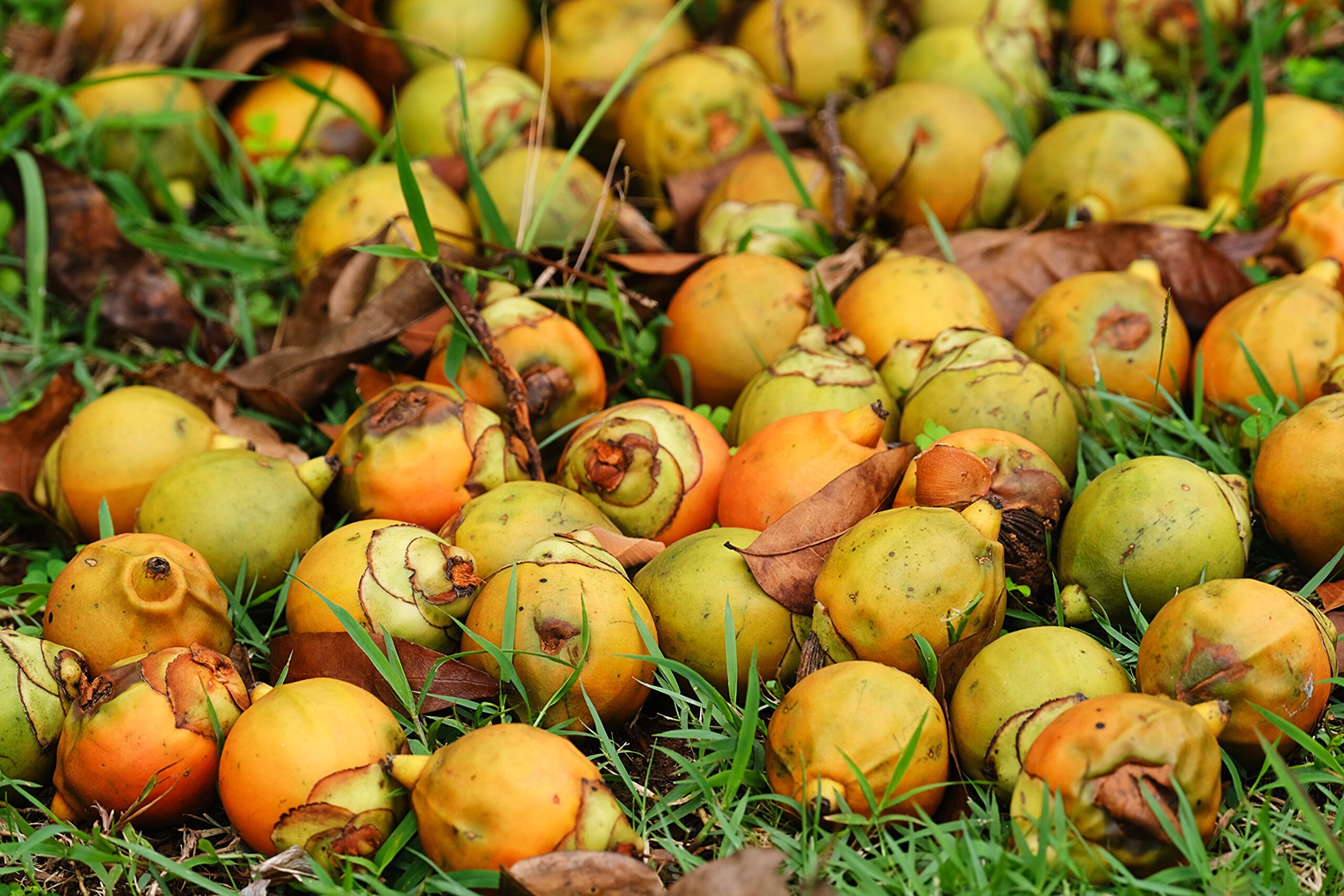
While coffee dominates the Coorg farmland investment conversation, a traditional and commercially significant crop has been generating reliable estate income in Coorg’s lower-altitude agricultural zones for generations: arecanut (Areca catechu), commonly called betel nut. In the appropriate altitude zones — primarily below eight hundred metres in Virajpet taluk and lower sections of Madikeri taluk — arecanut is a major commercial crop with a large and stable domestic demand, consistent pricing, and a production system that has been refined across decades of Kodagu cultivation practice.
The Arecanut Market: Stable Domestic Demand
Arecanut is consumed across India as a component of paan (betel leaf preparation), gutkha, and various mouth freshener products. India is the world’s largest producer and consumer of arecanut — and unlike many agricultural commodities, arecanut demand is driven by a deeply embedded consumption habit across multiple Indian states. This broad, stable demand base means arecanut has not experienced the extreme price volatility of cardamom or the cyclical dynamics of commodity coffee.
Karnataka is one of India’s major arecanut-producing states, and Coorg’s lower-altitude zones have historically been significant arecanut cultivation areas alongside coffee. The crop is traded through a well-established marketing network — arecanut markets in Puttur, Mangaluru, and local Kodagu town markets provide consistent buyer access.
Where Arecanut Grows in Coorg
Arecanut (Areca catechu) is a tall, slender palm that prefers humid, warm conditions with reliable water access — typically below eight hundred metres altitude in Coorg’s climate profile. In lower-altitude Virajpet zones and valley sections of Madikeri taluk, arecanut is grown alongside or as an alternative to coffee, taking advantage of the warm humid conditions and the availability of irrigation from streams and bore wells in these lower areas.
The arecanut palm is a slow-establishing but long-lived crop — palms take five to seven years to begin productive bearing and then produce for thirty to forty years, creating a very long productive life that makes initial establishment investment worthwhile.
What Arecanut Earns: The Income Profile
Arecanut is sold in three forms — green (fresh, sold immediately after harvest for immediate consumption or local processing), cured (processed through a traditional lime-curing process), and dried (sun-dried for longer shelf-life market channels). Each processing form has different price points and different labour requirements.
Farm-gate prices for raw arecanut have ranged from two hundred to six hundred rupees per kilogram in recent years depending on quality, variety, and market conditions. A mature arecanut palm produces three to eight kilograms of dry arecanut per year depending on variety and management. At three hundred rupees per kilogram and five kilograms per palm, a mature arecanut palm earns fifteen hundred rupees per year. An acre of arecanut planting with two hundred to two hundred and fifty palms generates three lakh to three lakh seventy-five thousand rupees annually — a strong income figure from a lower-altitude section that cannot support premium Arabica coffee.
Arecanut in a Coorg Agroforestry Context
In lower-altitude sections of Coorg estates, arecanut can be integrated with coconut, banana, and black pepper as part of a mixed garden system — traditionally called a “homestead garden” in Kodagu agricultural practice. This mixed garden combines multiple crops in the same space, with pepper vines climbing the arecanut palms (using them as the climbing support that silver oak provides in the higher-altitude coffee system), banana providing early income and shade, and coconut in the wider-spaced positions.
This lower-altitude mixed garden system generates a different but complementary crop income profile to the higher-altitude coffee-cardamom system — providing stable, diversified income from a section of the estate that altitude does not allow to participate in the specialty coffee market.
Disclaimer: The information provided in this article is for general informational and educational purposes only and does not constitute financial, legal, or real estate investment advice. Agricultural yields, market demand, and farm-gate pricing for crops like arecanut are subject to market conditions, environmental factors, and seasonal variability. Prospective investors should conduct their own independent due diligence, verify site suitability, and consult with qualified legal, agricultural, and financial advisors before making investment decisions.