
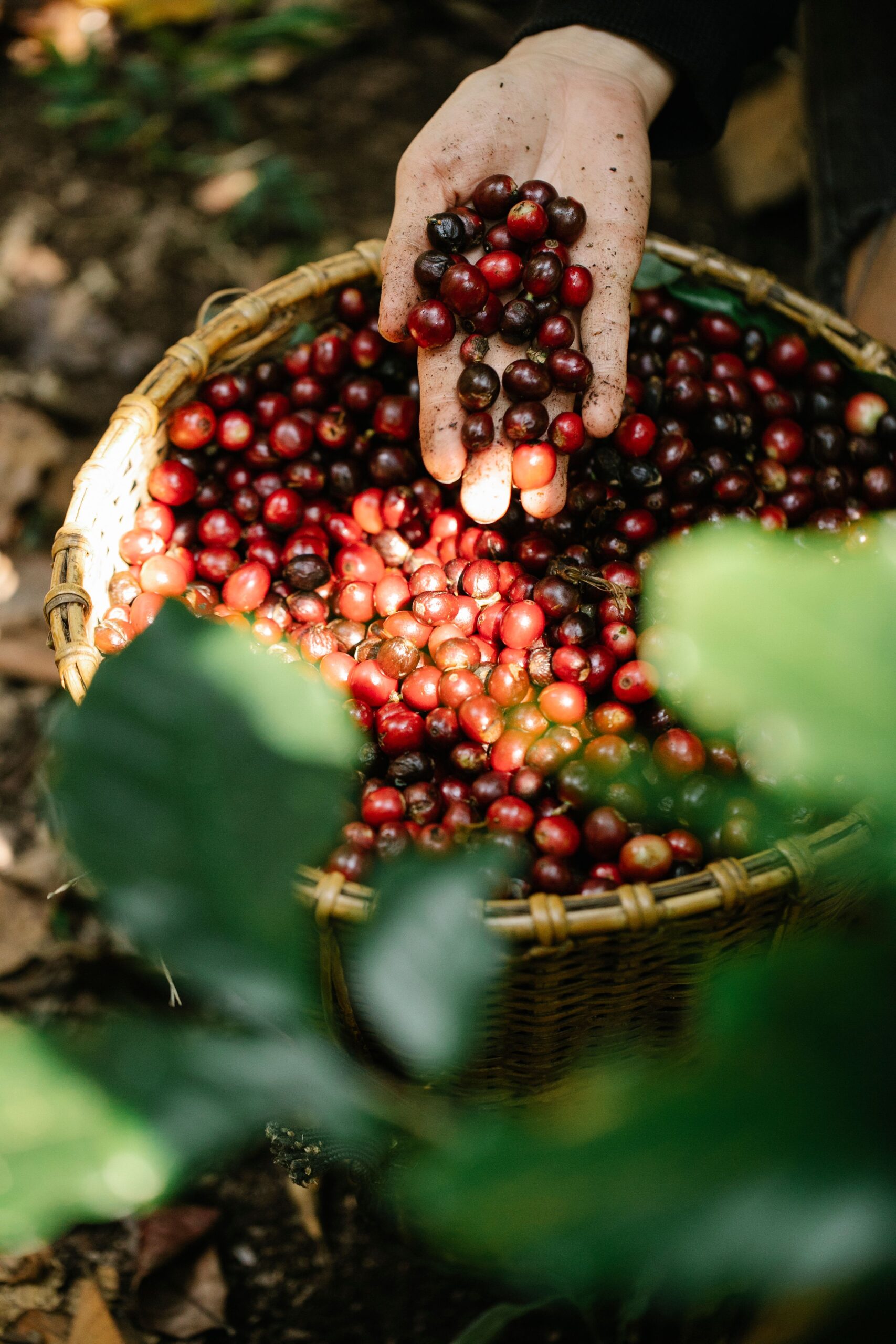
Every kilogram of Coorg coffee that reaches the commercial market goes through a specific institutional process — the Coffee Board of India’s auction system — that determines the price received and therefore the crop income that reaches managed farmland investors. Most investors know that their coffee is “sold through the Coffee Board auction” without understanding the specific mechanics that determine whether their estate achieves above-average or below-average prices for its production.
This matters because within the same auction system, different lots from different estates achieve meaningfully different prices — and the factors that determine this price differentiation are within the management team’s influence. Understanding the auction mechanics reveals what management decisions improve auction outcomes.
Coffee Board Registration: The Prerequisite
Before any Coorg coffee estate can sell through the Coffee Board’s auction system, it must be registered with the Coffee Board of India. All commercial coffee estates in Karnataka are required to register — the registration records the estate’s location, area, and crop composition, and assigns a registration number that serves as the estate’s identity in the Coffee Board’s commercial system.
Registration is a one-time process (updated if estate details change) that provides access to the Coffee Board’s auction platform, government support schemes for registered estates, and the Coffee Board’s extension services. Nature N Me ensures that every managed farmland plot with coffee cultivation maintains current Coffee Board registration.
The Lot Formation Process: Where Quality Differentiation Begins
Coffee from a managed farmland estate is sold in “lots” — defined quantities of parchment or green coffee prepared to a specific quality grade. The lot formation process — the decisions made about how to process the estate’s harvest, how to combine different sections’ cherry into processing batches, and how to grade the resulting parchment — directly determines what lot quality grades are achieved and therefore what auction prices are possible.
Coffee Board quality grades for Arabica parchment coffee are based on a combination of moisture content (must be within the specified range of ten to eleven percent), physical defect count (number of defective beans per one hundred grams), and for the premium grades, cup quality assessed by Coffee Board certified liquorers.
The highest Coffee Board grade for Arabica parchment — Plantation A — is the tier that accesses the highest auction price bids from both domestic and international buyers. Estates that consistently produce Plantation A grade coffee receive better auction prices than those whose processing quality results in lower grades.
The E-Auction Mechanics
The Coffee Board of India operates electronic auctions (e-auctions) at registered auction centres. Madikeri town has an operational Coffee Board auction centre that handles Kodagu district production. The e-auction system works as follows:
Coffee is brought to the auction centre (or a registered warehouse) by the estate’s management or their authorised agent, weighed and sampled. Sample lots are made available to registered buyer/tasters before the auction. Buyers — traders, exporters, domestic roasters, and institutional buyers — inspect samples and decide their bidding limits based on the coffee’s quality.
On auction day, each registered lot is presented electronically. Buyers submit bids for specific lots in real-time. The highest bidder wins the lot at their bid price. Payment is typically made within specified terms. The auction is transparent — all registered participants see all bids, creating genuinely competitive price discovery.
The Factors That Drive Better Auction Prices
Not all lots sell at the same price in any given auction. The factors that drive above-average prices for specific lots are:
Visual quality of the parchment: clean, uniform, well-dried parchment without excessive broken beans, foreign material, or visible defects signals processing quality to buyers before they taste the sample.
Cup quality: buyers who are sourcing for specialty or premium export markets specifically cup each lot they are considering and assign values based on flavour complexity, acidity character, and absence of defects. Lots that cup well receive multiple competing bids from buyers who want that specific quality.
Lot size: very small lots (below fifty kilograms) are less attractive to commercial buyers who prefer larger consistent supplies. Well-managed estates that can deliver meaningful commercial volumes in each lot receive more competitive bidding.
Reputation and consistency: buyers who have had positive experiences with coffee from a specific estate’s lots in previous auctions return and bid more aggressively for that estate’s production. Consistent quality across seasons builds a commercial reputation that improves auction outcomes over time.
The Direct Sale Alternative and When It Makes Sense
The Coffee Board auction is the market mechanism for most Coorg coffee, but direct sale to specific buyers — specialty roasters, premium domestic coffee brands, or international buyers who specifically want single-estate Coorg Arabica — can achieve prices above what the auction would produce for qualifying quality.
Direct sale relationships require documented quality (cupping reports from Q-graders, processing records), consistent supply to meet the buyer’s requirements across seasons, and the marketing effort to develop and maintain buyer relationships. Nature N Me is developing direct sale relationships for qualifying quality from managed farmland plots as an additional channel alongside the Coffee Board auction — maximising the income from plots that achieve specialty cupping scores.
Disclaimer: The information provided in this article is for general informational and educational purposes only and does not constitute formal financial, commodity trading, or investment advice. Coffee Board of India auction procedures, grading standards, price realization, and market regulations are subject to administrative updates and market fluctuations. Historical auction prices and yield realizations do not guarantee future returns. Readers are strongly advised to consult certified agricultural consultants, Coffee Board authorized agents, or financial advisors before making any estate management, harvest sales, or land investment decisions.