
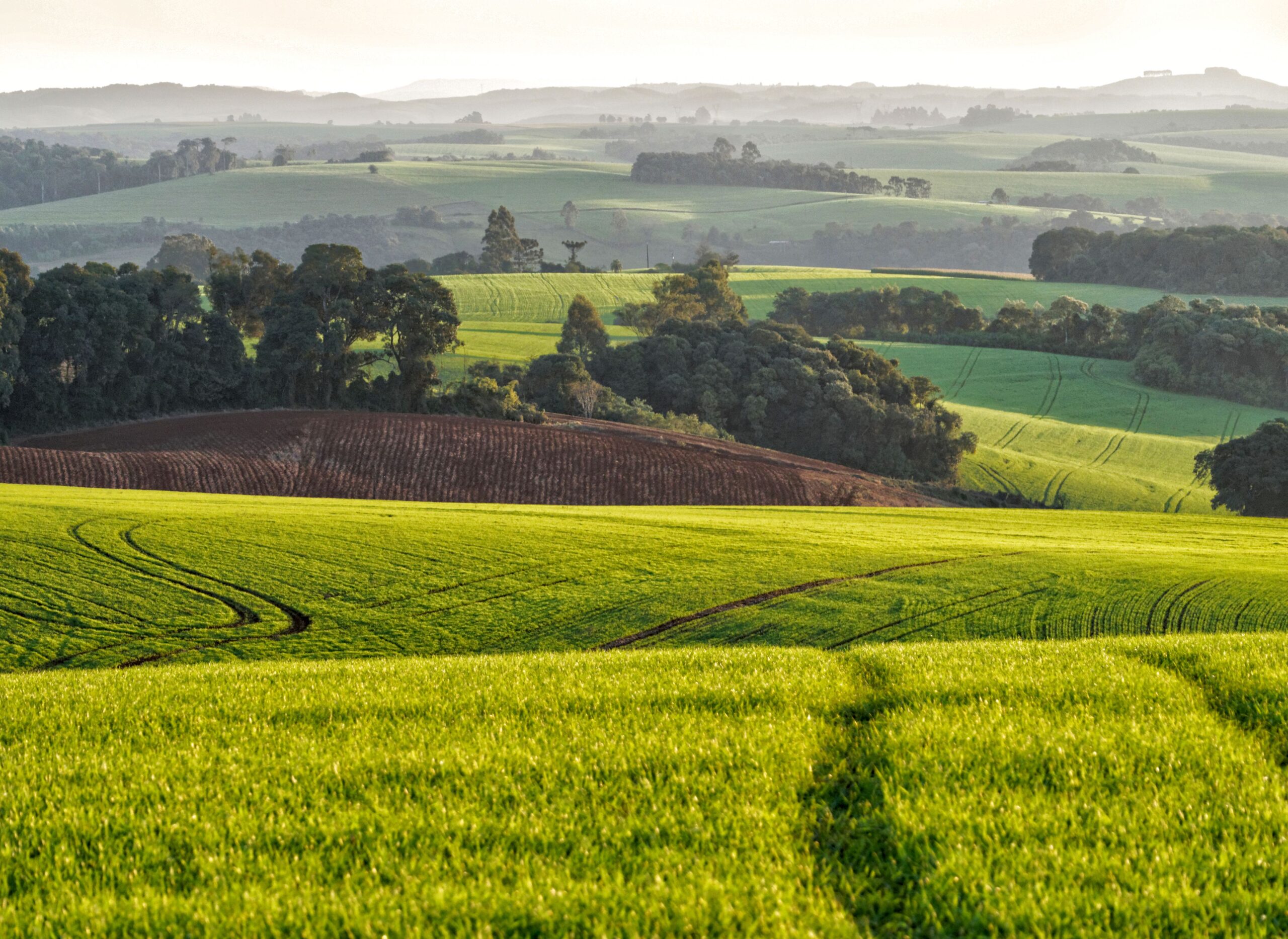
Nestled amidst the misty folds of the Western Ghats, Coorg (Kodagu) is often hailed as the “Scotland of India”—and for good reason. With its endless canopy of evergreen forests, rolling coffee plantations, tumbling waterfalls, and rich biodiversity, Coorg stands out as Karnataka’s ultimate sanctuary for nature lovers, trekkers, and eco-travelers.
If you are craving a serene escape into the lap of nature, here is why Coorg tops the list of hill stations in Karnataka.
“Looking to invest in the region? Check out our managed farmland in Coorg to explore available plots.”
1. Lush Green Coffee & Spice Plantations
Coorg is the coffee capital of India, producing some of the finest Arabica and Robusta blends. What makes Coorg’s plantations special for nature lovers is that they are grown under a double-tier shade canopy of native trees rather than clear-felled land.
- Walking through these private estates feels like stepping into a lush, aromatic rainforest filled with pepper vines, cardamom pods, vanilla, and wild orchards.
- Guided plantation tours offer a immersive way to learn about eco-friendly farming while soaking in the fresh, coffee-scented air.
2. A Haven for Biodiversity & Wildlife
Situated in a UNESCO World Heritage biodiversity hotspot, Coorg is home to incredible wildlife and pristine forest reserves:
- Nagarhole National Park & Tiger Reserve: Located on the southeastern border of Coorg, this park offers incredible safari opportunities to spot Bengal tigers, Asian elephants, leopards, and Indian gaur.
- Brahmagiri & Pushpagiri Wildlife Sanctuaries: Protected forest reserves that shelter rare species like the Malabar giant squirrel, lion-tailed macaque, and over 300 species of native and migratory birds.
- Dubare Elephant Camp: An eco-tourism site along the Kaveri River dedicated to elephant conservation and care.
3. Thunderous Waterfalls Tucked in Dense Jungles
From easy-to-access cascades to dramatic hidden falls deeper in the valley, Coorg boasts some of the most stunning waterfalls in the Western Ghats:
- Abbey Falls: Framed by spice estates and a hanging bridge, where early streams of the Kaveri River plunge 70 feet down a rocky cliff.
- Mallalli Falls: A roaring 200-foot cascade at the foot of the Pushpagiri Hills that offers breathtaking gorge vistas.
- Chelavara Falls: A secluded waterfall surrounded by coffee plants, perfect for quiet nature photography.
4. World-Class Trekking & Panoramic Mountain Peaks
For outdoor enthusiasts who prefer exploring on foot, Coorg’s mountain ridges offer incredible trails suitable for both casual walkers and seasoned hikers:
- Tadiandamol Peak: The highest peak in Coorg (1,748 meters) offers a breathtaking trek through Shola forests, streams, and open grassy ridges ending in views that stretch to the horizon.
- Mandalpatti Viewpoint: Known for its rolling “sea of clouds” atmosphere, accessible via a scenic 4×4 Jeep safari or mountain trek.
- Kote Betta & Nishani Motte: Lesser-known trails that promise solitude, deep forest walks, and panoramic valley views away from tourist crowds.
5. The Sacred & Serene Kaveri River
The Kaveri (Cauvery) River, the lifeline of South India, originates high up in the Coorg hills at Talakaveri.
- Talakaveri & Brahmagiri Hills: Sitting at 1,276 meters, this holy spot is surrounded by misty mountain tops and provides sweeping views of the Western Ghats.
- Cauvery Nisargadhama: A tranquil 64-acre natural island formed by the river, connected by a hanging rope bridge and surrounded by thick bamboo groves, teak trees, and peaceful deer parks.
💡 Best Time to Visit Coorg for Nature Lovers
- Post-Monsoon & Winter (October to March): Ideal for trekking, sightseeing, coffee estate walks, and pleasant clear sky views.
- Monsoon (July to September): Perfect if you love roaring, swollen waterfalls, misty rain-soaked landscapes, and vibrant, deep greenery.
Frequently Asked Questions
Q: What makes Coorg’s coffee plantations unique for nature lovers?
A: Coorg’s Arabica and Robusta coffee trees are grown under a double-tier shade canopy of native trees, creating an immersive, forest-like environment with pepper vines and spices.
Q: Which national park in Coorg is best for spotting wildlife?
A: Nagarhole National Park & Tiger Reserve offers great safaris to spot Bengal tigers, Asian elephants, leopards, and Indian gaur.
Q: What are the most popular waterfalls to visit in Coorg?
A: Abbey Falls (framed by spice estates), Mallalli Falls (a roaring 200-foot cascade), and Chelavara Falls (a quiet, scenic waterfall near coffee plantations).
Q: Which is the highest peak in Coorg for trekking?
A: Tadiandamol Peak (1,748 meters) is the highest peak, offering scenic trails through Shola forests and open grassy ridges.
Q: Where does the Kaveri River originate?
A: The Kaveri River originates high in the Coorg hills at Talakaveri, located at an altitude of 1,276 meters in the Brahmagiri Hills.
Q: When is the best time to visit Coorg for nature activities?
A: Post-monsoon and winter (October to March) are best for clear skies and trekking, while monsoon (July to September) is ideal for lush greenery and roaring waterfalls.