
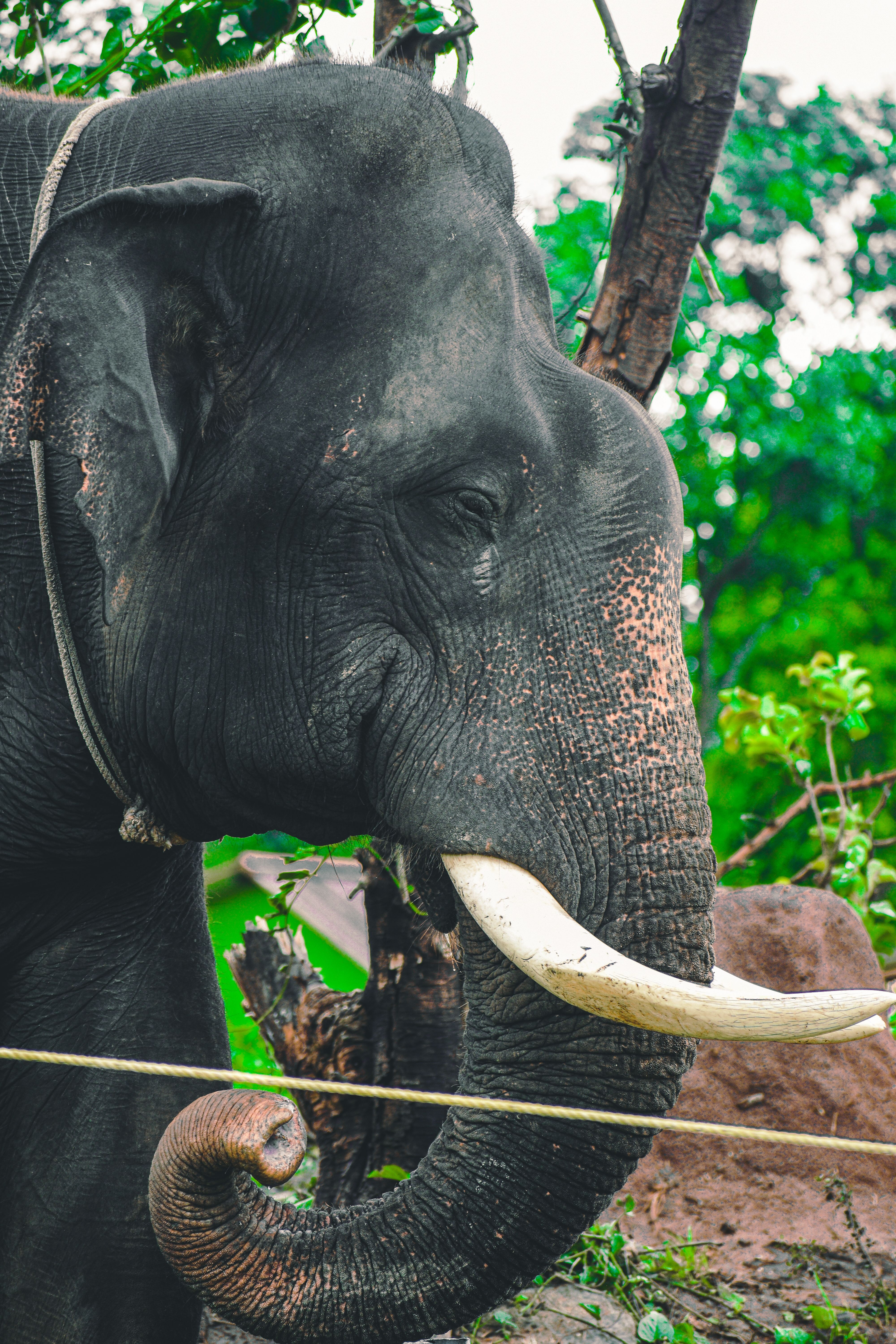
Dubare Elephant Camp
Located on the banks of the Kaveri River, Dubare Elephant Camp is one of the most popular attractions in Coorg (Kodagu). Originally a training site for the famous Mysuru Dasara elephants, Dubare is today an eco-tourism project run by the Karnataka Forest Department and Jungle Lodges & Resorts (JLR). It offers visitors an up-close opportunity to observe, learn about, and interact with Asian elephants in a natural setting.
Here is your complete guide on timings, costs, activities, and tips for planning a trip to Dubare Elephant Camp!
📍 Quick Overview
- Location: Nanjarayapatna, near Kushalnagar (approx. 30 km from Madikeri town)
- Best For: Families, nature enthusiasts, and animal lovers
- Visit Duration: 2 to 3 hours
- Nearest Towns: Kushalnagar (15 km) and Madikeri (30 km)
⏰ Timings & Key Activities
Dubare Elephant Camp operates in two main time slots each day. The morning slot is strongly recommended if you want to participate in elephant bathing and feeding.
| Slot | Timings | Major Activities |
|---|---|---|
| Morning Session | 8:30 AM – 11:30 AM | Boat crossing, watching/participating in elephant bathing, elephant feeding, interactions |
| Evening Session | 4:30 PM – 5:30 PM | Elephant viewing, short walks, and nature photography |
Pro Tip: Arrive at the river bank by 8:00 AM. Queues for the boat crossing fill up quickly, and the elephant bathing session typically wraps up by 10:30 AM.
🎟️ Entry Fee & Activity Charges
To reach the camp, you must cross the Kaveri River via a boat (or walk across on foot/rocks during dry summer months when water levels are low).
- River Boat Crossing: ~₹30 – ₹50 per person (round trip)
- Camp Entry Fee: ~₹20 – ₹50 per person
- Elephant Bathing Activity: ~₹100 – ₹200 per person
- Elephant Feeding Activity: ~₹50 – ₹100 per person (pay for feed bundles like sugarcane/hay)
(Note: Pricing and official ticketing can vary slightly depending on seasonal forest department updates and JLR packages.)
🐘 Top Things to Do at Dubare
- Watch & Help Bathing the Elephants: Watch the giant mammals lie down in the Kaveri River while handlers (mahouts) scrub them. Visitors who buy the activity ticket can join in and splash water/scrub with the supervision of mahouts.
- Elephant Interaction & Feeding: Learn about elephant behavior, daily dietary routines, and ecology directly from the naturalists and mahouts while feeding them sugarcane or grain balls.
- River Rafting (Seasonal): During the monsoon and immediate post-monsoon months (July to October), local operators offer still-water or mild white-water river rafting (1 km to 7 km stretches) along the Kaveri River near the camp.
💡 Practical Travel Tips
- Wear Clothes You Don’t Mind Getting Wet: If you participate in elephant bathing or river crossing, you will get wet and muddy. Bring a spare change of clothes and a small towel.
- Wear Non-Slip Footwear: The river bank and rocks can be slippery and moss-covered. Waterproof floaters, sandals, or water shoes are ideal.
- Be Mindful & Respectful: Always follow instructions given by the mahouts and forest officials. Do not make loud noises or approach the elephants from behind.
- Combine with Nearby Attractions:
- Cauvery Nisargadhama (12 km away): A 64-acre natural island with bamboo groves and deer park.
- Namdroling Monastery / Golden Temple (20 km away): The famous Tibetan monastery in Bylakuppe.
Thinking of Owning a Piece of Coorg?
Many visitors who come to see Dubare, Cauvery Nisargadhama, and the surrounding forests end up exploring farmland and coffee estate options in the region. If you’re curious about owning a managed plot or a small coffee estate near Madikeri, explore our [managed farmland in Coorg] and [coffee estate listings] to understand pricing, maintenance, and rental models.
Q: What is the entry fee for Dubare Elephant Camp?
A: Base camp entry is ₹20 – ₹50 per person. Activities and river crossing are charged separately:
-
River Boat Crossing: ~₹30 – ₹50 per person
-
Elephant Bathing: ~₹100 – ₹200 per person
-
Elephant Feeding: ~₹50 – ₹100 per person
Q: What are the Dubare Elephant Camp timings?
A: The camp runs two daily sessions:
-
Morning Session: 8:30 AM – 11:30 AM (best for bathing and feeding)
-
Evening Session: 4:30 PM – 5:30 PM (viewing and photography only)
Q: Is boating compulsory to reach Dubare Elephant Camp?
A: No, but it depends on the season. Boating or coracle ride is required during monsoon and post-monsoon months due to high water levels. During dry summer months, visitors can walk across the shallow riverbed and rocks.
Q: Can we bathe with elephants at Dubare?
A: Yes. Visitors who purchase an activity ticket for the morning session can scrub and splash water on the elephants in the Kaveri River under the supervision of mahouts.
Q: What is the best time to visit Dubare Elephant Camp?
A: October to March offers pleasant weather and ideal river water levels. For the best experience, arrive by 8:00 AM to avoid long boat queues and catch the elephant bathing before it wraps up around 10:30 AM. Avoid heavy monsoon months (July–August) as high river currents often halt boat access.