
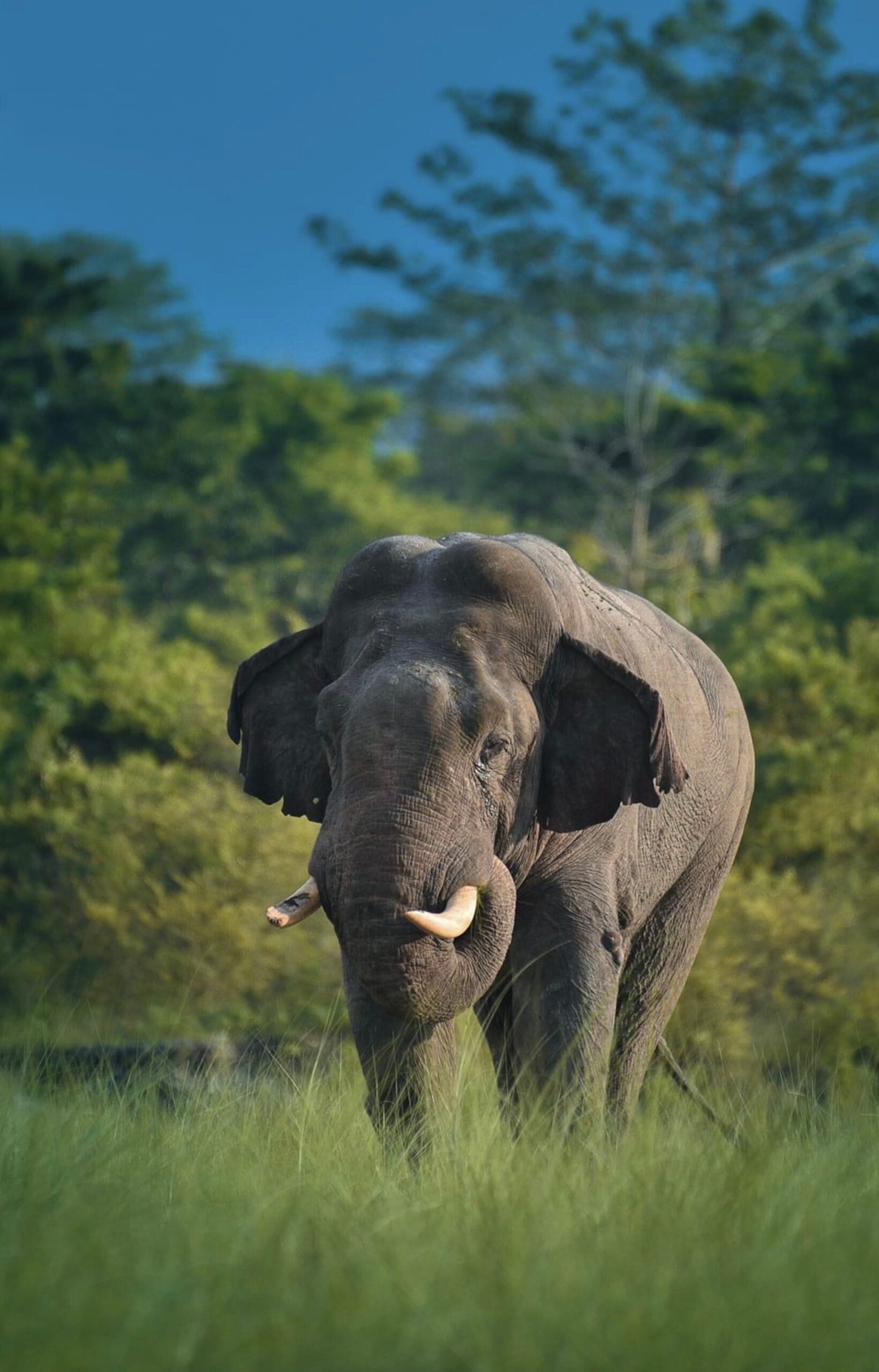
Few agricultural investment regions in India can claim what Coorg can: that the landscape your coffee estate is part of also contains tigers, leopards, elephants, gaur, wild dog, and one of the highest densities of wildlife in peninsular India. The Western Ghats and the Brahmagiri-Nagarhole-Bandipur wildlife corridor that Coorg anchors is one of the world’s most biologically significant landscapes.
For farmland investors, this wildlife adjacency is simultaneously one of the most extraordinary lifestyle features of owning Coorg agricultural land and a practical reality that requires honest understanding.
The Wildlife That Is Actually Present
Coorg’s position between the Brahmagiri Wildlife Sanctuary (southwestern Kodagu), Nagarhole National Park (northern Kodagu border), and Bandipur National Park (northeastern Kodagu border) creates a landscape where wildlife corridors cross through the private estate country between protected areas. Large mammals — including elephants, gaur, leopard, and occasionally tiger — move through these corridors using the coffee estates and areca nut plantations as travel routes and foraging areas.
This is not a remote or occasional phenomenon. The Karnataka Forest Department’s annual wildlife census documents significant wildlife movement through Kodagu’s private agricultural landscape — including elephant family groups that move seasonally between the Brahmagiri and Nagarhole protected areas, passing through estate country.
Elephant Presence: The Most Significant Practical Consideration
Elephants are the most agriculturally relevant wildlife species for Coorg estate owners. Elephant foraging on coffee estates — where they consume young coffee shoots, break branches, and uproot plants in search of food — is a genuine agricultural challenge in areas close to known elephant movement corridors.
Nature N Me’s plot selection process specifically assesses elephant conflict risk for every available plot — evaluating distance from known elephant corridor routes, historical conflict reports for the specific zone, and the presence or absence of effective deterrent infrastructure. Plots with documented high elephant conflict history are not offered to investors.
Leopard and Other Wildlife: Present But Manageable
Leopard presence on Coorg coffee estates is common — these highly adaptable cats use estate forest patches, stream corridors, and coffee canopy for cover and movement. They are rarely encountered directly and are generally not a threat to agricultural operations or estate management staff who follow standard wildlife awareness protocols.
Smaller wildlife — birds, mammals, reptiles, and insects — is extraordinarily diverse on a well-managed Coorg coffee estate. As discussed in our earlier post on native bees and biodiversity, this wildlife diversity is an ecological asset that improves estate productivity through pollination and pest predation.
The Lifestyle Value of Wildlife Proximity
For investors who visit their Coorg estate regularly, the wildlife proximity is an extraordinary lifestyle dimension. Mornings on a forest-adjacent Madikeri estate may include the sound of hornbills calling from the canopy, the sight of a Malabar giant squirrel crossing the estate overhead, or — on fortunate occasions — fresh elephant footprints on the access track from an overnight passage.
The specific experience of owning land that is ecologically connected to one of India’s most significant wildlife landscapes is something that no property in Bangalore, no resort weekend, and no amount of national park tourism can replicate. You are not a visitor to this landscape. You are a landowner within it.
This is part of what makes Coorg farmland investment categorically different from any other Karnataka agricultural land investment — the ecological richness is not a backdrop but a living dimension of the estate itself.
Contact Nature N Me at naturenme.in or WhatsApp +91 98805 21637 to understand the specific wildlife situation on available Madikeri plots and how elephant conflict risk is assessed.
Disclaimer: The information provided in this article is for general informational and educational purposes only and does not constitute financial, legal, tax, or investment advice. Property prices, construction estimates, management fees, and legal requirements are subject to change based on market conditions, location, government regulations, and individual contract terms. Prospective buyers are strongly advised to perform independent due diligence, inspect properties in person, and consult with certified financial advisors, legal experts, and real estate professionals before entering into any land purchase or development agreement.
Frequently Asked Questions
Q: What are the main components that make up the total cost of a managed farmhouse in Coorg?
A: The total cost consists of land acquisition, villa construction, initial farm development (saplings, irrigation, soil setup), ongoing management fees, and legal/registration charges.
Q: What factors influence the land and construction price?
A: Land price depends on plot size, location relative to main towns (like Madikeri), soil quality, and road access. Villa costs vary based on built-up area and chosen finishes or design complexity.
Q: What is included in the farm development cost?
A: It covers planting, saplings, soil preparation, irrigation infrastructure, and early-stage maintenance to ensure the farmland becomes income-generating.
Q: How do ongoing management fees work?
A: Management fees cover long-term crop care, property maintenance, and farm upkeep, typically structured as a small percentage of crop revenue or land value.
Q: How can buyers optimize or manage their overall investment budget?
A: Buyers can start with a smaller plot size and a simpler villa design, allowing them to lower initial costs with the option to expand or upgrade in the future.