
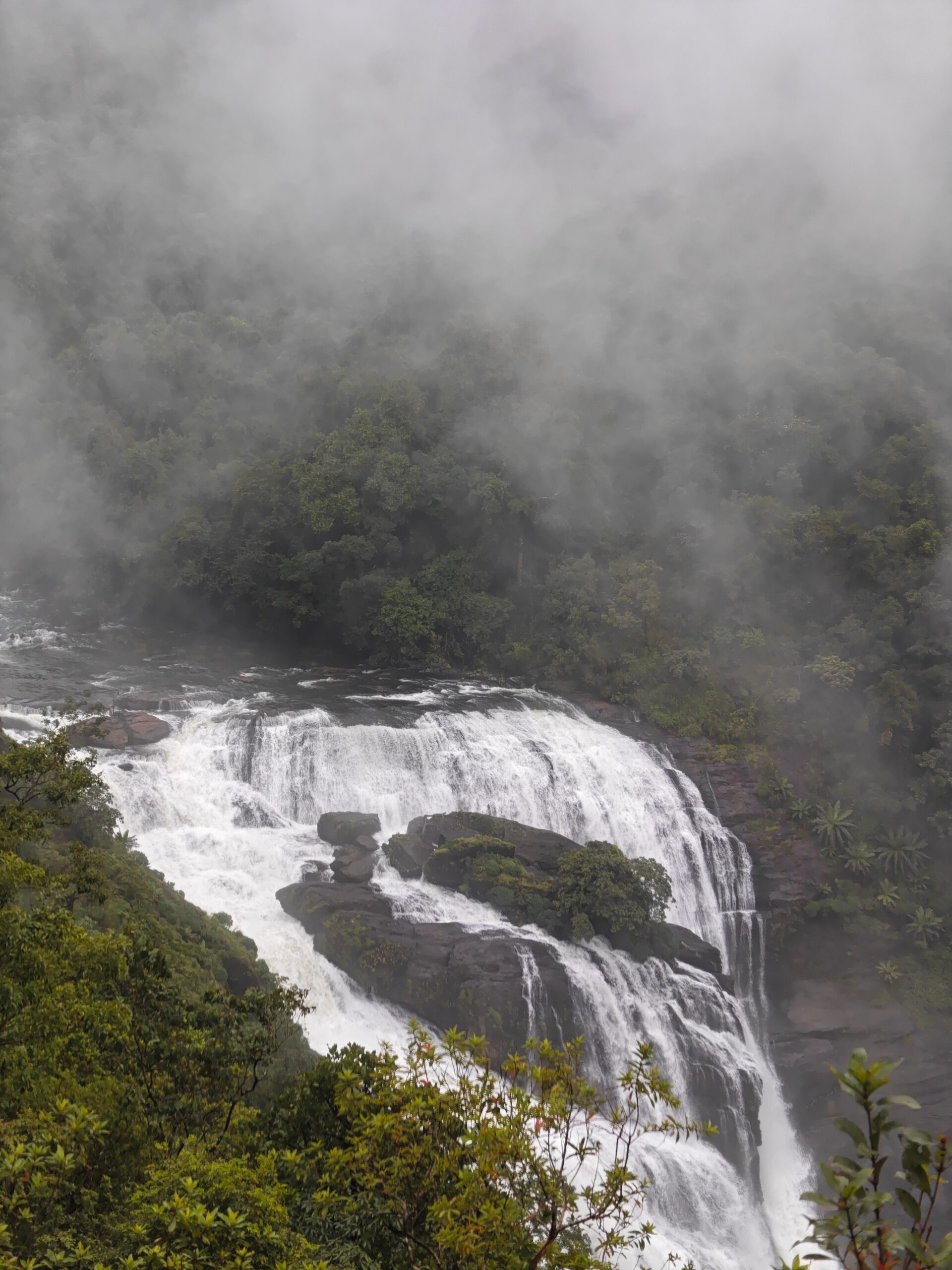
The year 2023 provided one of the clearest illustrations of why geography matters so much in agricultural land investment. Across Karnataka’s northern districts — Bidar, Kalaburagi, Vijayapura, Raichur — the monsoon delivered forty to sixty percent of normal rainfall. Crop failures were widespread. Farmer distress was documented and significant. Government relief programs were activated.
In Coorg (Kodagu district), the same monsoon delivered one hundred and ten percent of normal rainfall. The estates were productive. The streams ran full. The bore wells recharged as they do every year. The investment that Coorg farmland investors had placed returned its normal agricultural income.
This is not coincidence or luck. It is geography — and understanding the specific geographical mechanism explains why Coorg farmland has a structural climate protection that no amount of irrigation infrastructure or management excellence can replicate in Karnataka’s rain-shadow agricultural zones.
The Western Ghats as a Rainfall Machine
The Arabian Sea southwest monsoon — the primary rainfall system for most of peninsular India — arrives from the southwest carrying enormous volumes of moisture evaporated from the warm ocean surface. When this moisture-laden air mass encounters the Western Ghats, which run roughly parallel to India’s west coast, it is forced upward by the mountain barrier.
As the air rises, it cools. Cooling reduces the air’s capacity to hold water vapour. The water vapour condenses and falls as rainfall — the orographic precipitation that gives the Western Ghats their extraordinary rainfall totals. The windward (western) side of the Ghats — where Coorg sits — captures this rainfall in full.
After crossing the Ghats, the same air mass descends on the leeward side, warming as it descends and regaining moisture-holding capacity rather than releasing it. The result is the rain shadow — the dramatically drier conditions of the Deccan plateau that characterise Karnataka’s northern and central districts.
Why the Mechanism Is Structurally Reliable
The orographic rainfall that gives Coorg its rainfall is not a meteorological variable that fluctuates significantly with global climate patterns — it is a physical mechanism determined by the geometry of the mountain range and the ocean it faces. The Western Ghats will continue to force monsoon air upward as long as the mountains exist. The Arabian Sea will continue to provide moisture as long as the ocean exists. The windward slope — where Coorg sits — will continue to receive disproportionate rainfall as long as both of these are true.
This is why Coorg’s rainfall, while not perfectly consistent year to year, varies within a range (two thousand to three thousand five hundred millimetres typically) that is always adequate for coffee and spice cultivation, while Deccan plateau rainfall in drought years can fall to three hundred to four hundred millimetres — inadequate for almost any commercial crop production without substantial irrigation.
What This Means for a 20-Year Investment Horizon
An investor choosing between Coorg agricultural land and equally priced agricultural land in a Deccan plateau district is choosing between structurally rainfall-secure land and rainfall-dependent land. Over a twenty-year holding period, the Deccan plateau land will face multiple severe drought years — three, four, perhaps more — during which agricultural income is severely reduced or eliminated entirely. The Coorg land will face below-average years in which income is moderately reduced but not eliminated.
This structural agricultural risk difference, sustained across twenty years, represents a significant difference in cumulative income that no initial yield projection captures because it requires the long-term risk-adjusted view rather than the single-season comparison.
Climate change research on the Western Ghats consistently identifies this region as among the most rainfall-resilient in peninsular India because the orographic mechanism is less sensitive to large-scale monsoon variability than purely thermally-driven rainfall systems. The Ghats will continue catching the monsoon regardless of how climate change alters the monsoon’s intensity or timing.