
Starting an organic farm or kitchen garden can feel overwhelming with the sheer variety of equipment available. However, organic farming relies on sustainable practices that prioritize soil health, natural pest management, and water efficiency—meaning you don’t need heavy, expensive machinery to get started.
Equipping yourself with a few versatile, high-quality hand tools will set you up for long-term success without breaking the bank. Here is a guide to the essential organic farming tools every beginner should know about.
1. Basic Hand Tools for Soil Preparation
Healthy, well-aerated soil is the foundation of organic farming. Since organic growers avoid chemical tillers and deep-plowing methods that disrupt soil microbes, gentle soil preparation tools are key.
- Broadfork (U-Bar): A staple in bio-intensive farming, the broadfork loosens and aerates soil without turning it over or disturbing beneficial micro-organisms and earthworms.
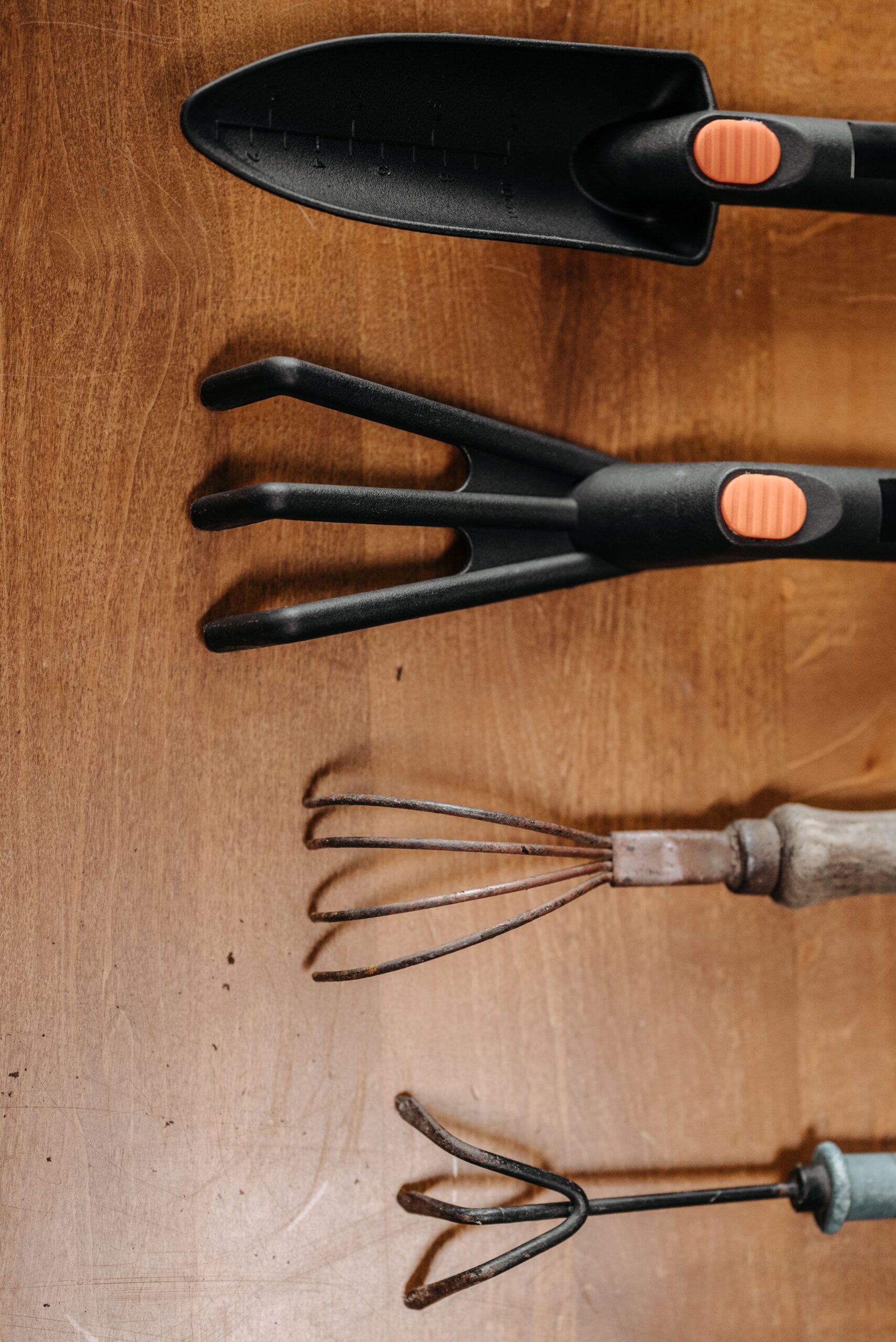
- Hand Trowel & Transplanter: Essential for digging small holes, transplanting seedlings, and working in tight bed spaces. Look for ergonomic stainless-steel trowels with depth markings.
- Garden Hoe (Draw Hoe or Stirrup Hoe): Ideal for clearing surface weeds, shaping planting rows, and gently aerating the top layer of soil before planting seeds.
2. Composting and Mulching Tools
In organic farming, compost is liquid gold, and mulch is essential for retaining soil moisture and suppressing weeds naturally.
- Compost Pitchfork (4-Tine or 5-Tine Fork): Designed with curved tines to easily lift, turn, and aerate compost piles, speeding up the decomposition process.
- Wheelbarrow or Garden Cart: Crucial for transporting heavy loads of finished compost, leaves, straw mulch, and harvested crops across your plot.
- Compost Thermometer: A long-stemmed probe thermometer that helps monitor the internal temperature of hot compost heaps (aiming for 135°F−160°F or 57°C−71°C) to ensure weed seeds and pathogens are eliminated.
3. Watering and Irrigation Tools
Water conservation is a cornerstone of organic farming. Using targeted watering tools prevents water waste and keeps plant foliage dry, which reduces fungal diseases.
       [ Water Source ]
              |
      [ Drip Irrigation ]  --> Delivers water directly to root zone
              |
      [ Mulch Layer ]      --> Prevents evaporation & keeps soil moist
- Drip Irrigation Kit or Soaker Hoses: Slow, direct-to-root watering systems cut down water waste by up to 50% compared to overhead sprinklers and keep leaves dry.
- Rain Barrel: Collecting rainwater is an eco-friendly way to source chlorine-free water, which is far gentler on beneficial soil microbes than treated tap water.
- Watering Can with Rose Attachment: Perfect for delicate seedlings and applying organic liquid feeds (like seaweed extract or compost tea) directly to plant bases.
4. Pest-Control and Pruning Tools
Without synthetic pesticides, physical pest barriers and precise pruning keep plants healthy, well-ventilated, and resistant to pests.
- Hand Sprayer (Compression Sprayer): Used to apply natural, organic pest repellents—such as neem oil, bio-pesticides, or soapy water solutions—evenly across foliage.
- Bypass Hand Pruners (Secateurs): Clean cuts are vital to prevent plant infections. Bypass pruners make sharp, smooth cuts on live stems, tomato suckers, and dead growth.
- Insect Netting & Floating Row Covers: Lightweight physical barriers that shield crops from insect pests, birds, and harsh sun while letting air and water pass through.
5. How to Choose Budget-Friendly Tools
When building your organic tool kit on a budget, quality and versatility beat quantity every time.
- Prioritize Stainless Steel and Solid Wood: Avoid cheap plastic tools that snap easily under pressure. High-carbon or stainless steel heads paired with ash or hickory handles last for years.
- Buy Multi-Functional Tools: Start with multi-purpose basics (like a sturdy hand trowel, a bypass pruner, and a hose) before buying single-use specialized gadgets.
- Look for Replaceable Parts: Quality brands sell replacement springs, blades, and handles, allowing you to repair tools rather than replace them entirely.
- Maintain Your Equipment: Clean dirt off metal tools after each use, oil blades regularly to prevent rust, and store equipment indoors to dramatically extend its lifespan.