
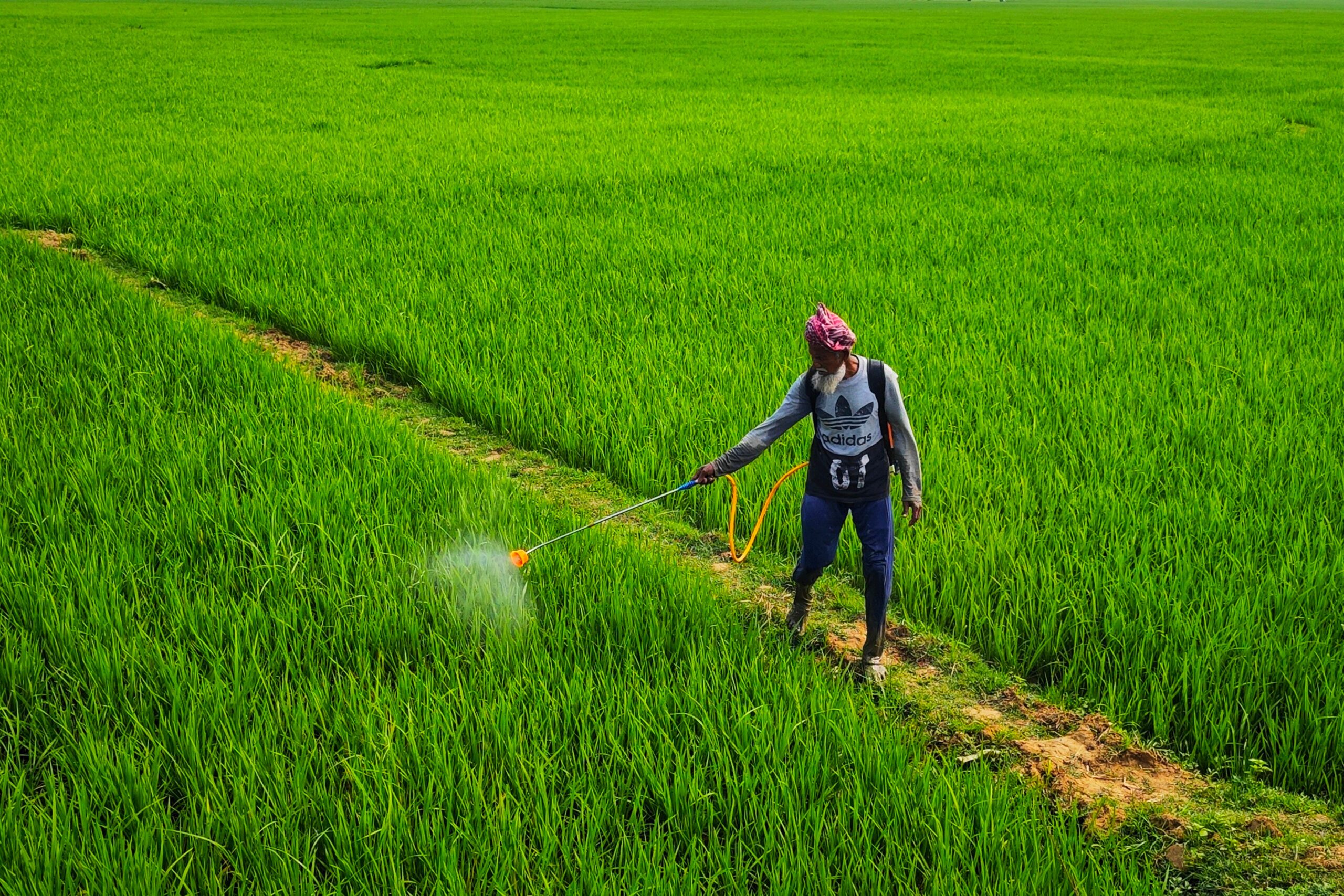
Nothing breaks a gardener’s heart faster than watching fresh spinach, juicy tomatoes, or vibrant basil get devoured by garden pests. While it is tempting to grab a chemical bug spray for a quick fix, harsh chemical pesticides can harm beneficial pollinators, ruin your soil health, and leave unwanted residues on food you plan to eat.
The good news? You can easily create 100% natural, safe, and effective organic pesticides right in your kitchen using simple ingredients like neem oil, garlic, chili, and eco-friendly soap.
Common Pests in Indian Kitchen Gardens
Before mixing up a spray, it helps to know what you are dealing with:
- Aphids: Tiny green, black, or yellow soft-bodied insects that cluster under leaves and suck sap, causing leaves to curl.
- Whiteflies: Microscopic white flying insects that swarm when you shake a plant, leaving behind sticky honeydew that causes black mold.
- Mealybugs: Cotton-like white fuzzy spots found on stems and leaf joints—extremely common on Hibiscus, Coleus, and Tomato plants.
- Caterpillars: Chewing pests that eat large holes in leafy greens, cabbage, and young leaves.
3 Easy Homemade Organic Pesticide Recipes
1. The Classic Neem Oil Spray (Best All-Rounder)
Neem oil contains azadirachtin, a natural compound that disrupts the life cycle of pests without harming birds or bees when applied correctly.
- Target Pests: Aphids, mealybugs, whiteflies, spider mites, and scale.
- Ingredients:
- 1 liter warm water
- 1 teaspoon cold-pressed organic Neem oil
- 1/2 teaspoon liquid mild dish soap or organic baby shampoo (acts as an emulsifier)
- How to Make & Use:
- Mix the warm water and liquid soap first so the oil can dissolve easily.
- Add the neem oil and shake vigorously until fully combined.
- Spray thoroughly over the top and undersides of infected leaves once a week.
2. Garlic & Chili Insect Spray (Best Repellent)
The strong sulfur compounds in garlic and the fiery capsaicin in chili act as a powerful natural deterrent against leaf-chewing insects.
- Target Pests: Caterpillars, beetles, ants, and soft-bodied sucking pests.
- Ingredients:
- 1 head of garlic (peeled)
- 3–4 hot green/red chilies
- 1 liter water
- A few drops of liquid soap
- How to Make & Use:
- Blend the garlic and chilies with 2 cups of water into a smooth paste.
- Let the mixture steep overnight (around 8–12 hours).
- Strain the liquid through a fine cloth or mesh sieve into a bottle, top up with the rest of the water, and add liquid soap.
- Spray on affected plants every 5–7 days.
3. Mild Soap-Water Spray (Best for Mild Infestations)
If you catch a pest problem early, a basic soap spray dissolves the protective waxy coating of soft-bodied insects, causing them to dry out.
- Target Pests: Light aphid or whitefly outbreaks.
- Ingredients:
- 1 liter water
- 1 tablespoon mild liquid Castile soap or pure organic liquid soap (avoid chemical detergents).
- How to Make & Use:
- Mix the soap and water gently in a spray bottle.
- Spray directly on the visible pests.
When & How to Apply Organic Sprays Safely
- Spray During Late Evening or Early Morning: Never spray during bright, scorching sunlight. Sun-heated foliage treated with oil or soap can suffer severe leaf burn.
- Do a Patch Test First: Spray a single leaf and wait 24 hours. If the leaf turns brown or wilts, dilute your spray with more water before treating the whole plant.
- Target the Undersides of Leaves: Most pests hide underneath foliage and along leaf joints—make sure you cover these spots thoroughly.
- Reapply After Rain: Organic sprays wash away easily during monsoons or heavy watering, so reapply after rain passes.
Best Practices to Prevent Pest Outbreaks Naturally
- Encourage Beneficial Insects: Welcome ladybugs, hoverflies, and praying mantises—they eat thousands of aphids and mealybugs naturally.
- Practice Companion Planting: Plant strong-smelling herbs like marigolds, basil, and mint alongside vegetables to confuse pests.
- Maintain Plant Hygiene: Prune infected or dying leaves regularly to prevent pests from spreading to healthy foliage.
- Keep Soil Healthy: Strong, well-nourished plants growing in healthy organic soil have stronger natural defenses against pest attacks!
Frequently Asked Questioned
Q: Why should I use organic pesticides instead of chemical bug sprays?
A: Organic pesticides control pests naturally without harming beneficial pollinators (like bees), damaging soil health, or leaving toxic chemical residues on your edible crops.
Q: How does a homemade neem oil spray work against pests?
A: Neem oil contains azadirachtin, a natural compound that disrupts insect feeding and life cycles without harming birds or bees when applied properly.
Q: What pests can I treat with a garlic and chili spray?
A: The strong sulfur in garlic and capsaicin in chili act as a natural deterrent against chewing and soft-bodied pests like caterpillars, beetles, ants, and aphids.
Q: Why do organic spray recipes require liquid soap?
A: Liquid soap acts as an emulsifier to blend oil and water, while also breaking down the waxy outer coating of soft-bodied insects so they dehydrate.
Q: When is the best time of day to apply homemade pesticides?
A: Apply sprays during the late evening or early morning to prevent strong sunlight from heating oil/soap residues and burning plant leaves.
Q: How often should organic pesticides be reapplied?
A: Apply every 5 to 7 days to manage active infestations, and always reapply after heavy rain or routine overhead watering washes the spray away.