
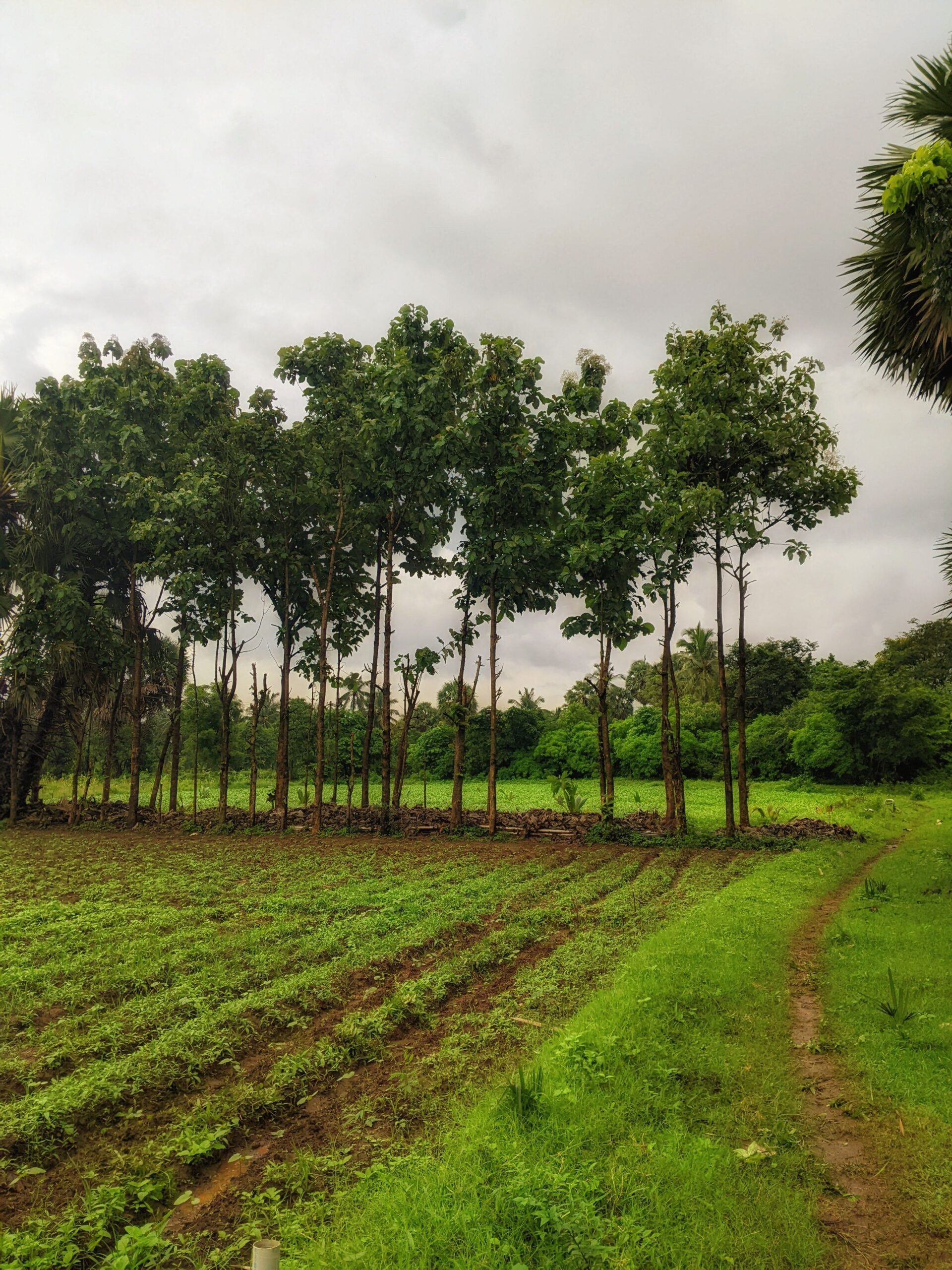
A distinctive and growing pattern in Nature N Me’s Mysore farmland enquiries is the friend group investment — three to five Bangalore professionals, typically from the same company, college cohort, or social circle, exploring managed farmland near Mysore together with an intention to invest jointly. This pattern is worth examining both for its practical mechanics and for what it says about how urban professionals are approaching the investment.
Why Friend Groups Are Investing Together in Mysore Farmland
The motivations for joint investment among friend groups are multiple and reinforce each other. Financially, pooling resources allows the group to acquire a larger aggregate position than each individual could comfortably make alone — five friends contributing ten lakhs each acquire fifty lakhs worth of farmland that would be beyond most individual budgets at this life stage.
Practically, the decision-making comfort of acting together with trusted peers reduces the perceived risk of a relatively unfamiliar investment category. One friend who has already researched managed farmland near Mysore becomes the informed advocate within the group, and the peer validation of people they trust making the same decision reduces the psychological friction of committing to something new.
Experientially, farm visits become social occasions — the group travels together to Mysore, checks on their respective plots, has lunch together, and explores Mysore’s cultural offerings as a group activity. The investment becomes an anchor for a regular social ritual that enriches the friendships while also serving the investment purpose.
How Joint Investment Is Typically Structured
Friend groups investing in managed farmland near Mysore typically structure their investment in one of two ways. The first is individual ownership with coordinated investment — each friend purchases their own separately titled plot, and the group coordinates purchase timing, management provider, and visit scheduling. This structure gives each investor complete individual legal control over their specific land while allowing the social and experiential benefits of investing together.
The second is co-ownership of a single larger plot — the group purchases one plot together and registers it in multiple names (Karnataka law allows up to four co-owners on a single registered sale deed). This structure reduces the per-person cost further, creates a single shared estate rather than adjacent individual plots, but requires agreement on income distribution, management decisions, and eventual exit — a more complex arrangement that works best among groups with high mutual trust and explicit upfront agreement on the terms.
What to Agree Upfront Before Investing Together
For friend groups choosing the co-ownership structure, several agreements should be documented before purchase. How is crop income divided among co-owners — equally, or proportional to investment contribution if contributions are unequal? Who makes agricultural management decisions if co-owners disagree? What happens if one co-owner wants to sell their share — do the remaining co-owners have right of first refusal? How are ongoing maintenance costs and any additional capital investment shared?
These questions are not signs of distrust — they are the responsible foundation for a shared investment that will last ten to twenty years and whose value will grow significantly over that period. Friend groups that document these agreements clearly upfront consistently report smoother long-term investment relationships than those who leave the agreements implicit.
The Visit Pattern That Develops
Friend groups who invest in Mysore farmland together typically develop a characteristic quarterly visit pattern — a Saturday morning drive to Mysore on the expressway, farm visit with the management team, a Mysore city exploration in the afternoon, and a return on Sunday. Over years, these visits become a fixture of the friends’ social calendar — an anchor event that brings the group together regularly regardless of the varied pressures of their professional and family lives.
Disclaimer: The information provided in this article regarding joint property registration, legal co-ownership structures under Karnataka law, and financial pooling arrangements is for educational and informational purposes only. Real estate laws and registration guidelines can vary based on individual circumstances and changing government regulations. This content does not constitute formal legal, financial, or tax advice. Prospective buyers are strongly advised to conduct independent due diligence and consult with qualified legal and financial professionals before entering into joint property investments.