
Every place has a story, and Mysore’s story is one of the richest of any Indian city — a narrative of royal patronage, artisanal excellence, and the transformation of what the land produces into luxury goods that have been celebrated across India and internationally for centuries. For managed farmland investors near Mysore, this heritage context is not merely interesting background. It reflects something real about the agricultural and environmental character of the region that directly relates to what the land can produce.
Sandalwood: From Royal Monopoly to Private Farm Opportunity
Mysore was historically synonymous with Indian sandalwood — the fragrant heartwood that the region’s forests once produced in abundance and that powered one of India’s most celebrated artisanal industries. The Mysore royal family maintained control over sandalwood as a state monopoly for centuries, and the industry of carving, distillation for essential oils, and incense production that grew around it made Mysore one of India’s most distinctive production centres.
The connection between Mysore’s sandalwood heritage and a managed farmland investment near the city is direct: sandalwood cultivation on private agricultural land, now permitted under Karnataka’s amended regulations, reconnects modern farmland investors to a tradition of land-based luxury production that has defined the region for generations. Planting sandalwood on a Mysore estate is not merely a financial decision — it is participation in a production heritage that made Mysore famous.
Mysore Silk: The Agricultural-Artisanal Connection
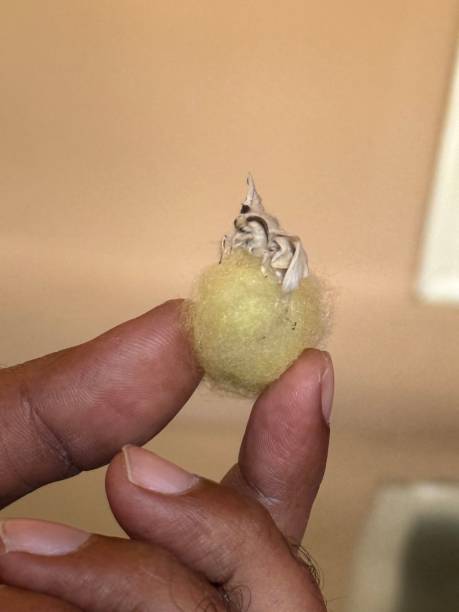
Mysore silk is produced from silk worms fed on mulberry leaves — an agricultural input that is grown across Mysore’s agricultural belt. The silk industry’s connection to sericulture (silk worm farming) means that the agricultural landscape around Mysore has historically included mulberry cultivation alongside food and cash crops.
While Nature N Me‘s Mysore project focuses on fruit orchards and timber rather than sericulture, the broader agricultural identity of the Mysore region as a producer of high-value, quality-focused agricultural outputs — silk, sandalwood, incense ingredients — reflects the same productive capacity of the soil and climate that makes the fruit and timber agroforestry system viable and commercially promising.
Agarbatti (Incense) and the Aromatic Agricultural Chain
Mysore is one of India’s major agarbatti (incense stick) production centres, with the Cycle brand and others having roots in the city. The raw materials for incense — sandalwood paste, aromatic resins, flower extracts, and various botanical ingredients — have traditionally been sourced from Karnataka’s agricultural and forest belt.
The growing domestic and international market for natural, sustainably sourced incense ingredients connects this traditional industry to modern farmland investment in a way that is increasingly relevant. Farm-produced aromatic botanicals from the Mysore agricultural belt are entering premium natural fragrance and wellness product supply chains — a market that is growing significantly with the global wellness industry’s expansion.
What This Heritage Means for the Investor
Owning farmland near Mysore is not the same as owning agricultural land in a generic Karnataka agricultural district. It is owning land in a region whose identity is built around the transformation of agricultural and forest products into objects and experiences of exceptional quality — silk, sandalwood, incense, and now specialty fruit and premium timber.
This regional identity is part of what makes the Mysore farmland story different and richer than the purely financial narrative. The investor who grows teak and mango on their Mysore estate is participating in a landscape that has produced exceptional quality from its land for centuries. The specific crops are different; the underlying character of the place — and its ability to produce value from what it grows — is continuous.