
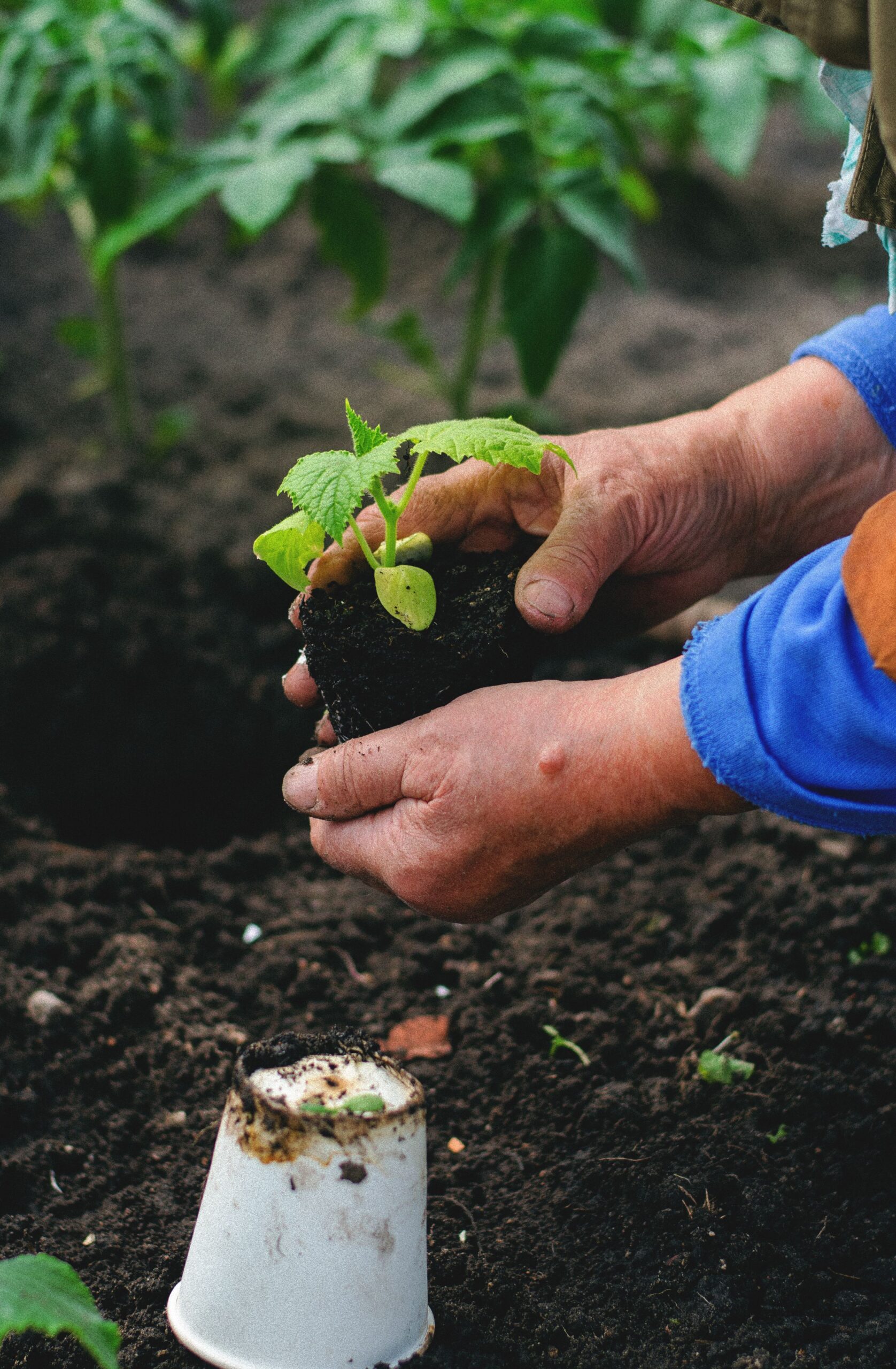
Healthy soil is often called the heart of agriculture—and for good reason. While farmers focus on choosing the right crops, irrigation methods, and farming equipment, the true success of any farm begins beneath the surface. Rich, fertile soil provides the nutrients, moisture, and biological activity that crops need to grow strong and produce abundant harvests.
In Mysore, where agriculture has been an important part of the region’s heritage for generations, maintaining healthy soil is essential for sustainable farming. Whether you’re cultivating fruit orchards, growing vegetables, or managing an agroforestry project, healthy soil directly influences productivity, profitability, and environmental sustainability.
For farmland owners and aspiring farmers, understanding soil health is the first step toward building a farm that remains productive for years to come.
What is Healthy Soil?
Healthy soil is much more than dirt. It is a living ecosystem made up of minerals, organic matter, water, air, beneficial microorganisms, fungi, insects, and earthworms. Together, these elements create the perfect environment for plant roots to absorb nutrients and water.
A healthy soil ecosystem supports:
- Strong root development
- Efficient nutrient absorption
- Better water retention
- Natural pest resistance
- Improved crop growth
When soil is healthy, crops become stronger, more resilient, and more productive.
Why Soil Health Matters
Every harvest removes nutrients from the soil. If these nutrients are not replenished, the land gradually loses its fertility, resulting in weaker crops and lower yields.
Healthy soil helps farmers by:
- Increasing crop productivity
- Improving fruit and vegetable quality
- Reducing dependence on chemical fertilizers
- Conserving water
- Supporting long-term agricultural sustainability
Rather than treating the symptoms of poor crop growth, healthy soil addresses the root cause.
Organic Matter: Nature’s Fertilizer
One of the key indicators of healthy soil is its organic matter content.
Organic matter comes from decomposed leaves, crop residues, compost, animal manure, and other natural materials. As it breaks down, it releases valuable nutrients that feed crops and improve soil structure.
Benefits of organic matter include:
- Improved soil fertility
- Better moisture retention
- Enhanced microbial activity
- Reduced erosion
- Increased carbon storage
Adding compost regularly is one of the simplest ways to improve soil health naturally.
Earthworms: The Farmer’s Best Friend
Earthworms are often called “nature’s plough.”
As they move through the soil, they create tiny tunnels that improve aeration and allow water to penetrate deeper into the ground. They also break down organic matter into nutrient-rich castings that enrich the soil.
A healthy earthworm population indicates:
- Fertile soil
- Good moisture levels
- Active biological life
- Minimal chemical pollution
Protecting earthworms is one of the easiest ways to maintain productive farmland.
Beneficial Microorganisms at Work
Healthy soil contains millions of bacteria, fungi, and other microorganisms that perform essential tasks.
These microscopic organisms:
- Break down organic matter
- Release nutrients for crops
- Improve soil structure
- Protect plant roots
- Help control harmful pathogens
Without these invisible helpers, soil gradually loses its ability to support healthy plant growth.
Reducing excessive chemical use and adding organic compost encourages microbial activity.
Water Retention Starts with Healthy Soil
One of the greatest advantages of healthy soil is its ability to store water.
Soils rich in organic matter absorb rainfall like a sponge, making moisture available to crops even during dry periods.
Healthy soil helps:
- Reduce irrigation needs
- Prevent water runoff
- Improve groundwater recharge
- Increase drought resilience
For farmers in Mysore, this means healthier crops with more efficient water use.
Crop Rotation: Keeping Soil Productive
Growing the same crop repeatedly can deplete specific nutrients and increase pest problems.
Crop rotation helps restore soil balance by alternating different crops each season.
For example:
- Legumes add nitrogen to the soil.
- Cereals use different nutrients.
- Vegetables improve crop diversity.
- Cover crops protect exposed soil.
Crop rotation naturally improves fertility while reducing disease and pest buildup.
Mulching Protects the Soil
Mulching is another simple but highly effective practice.
By covering the soil with dry leaves, straw, coconut husks, or grass clippings, farmers can:
- Reduce evaporation
- Prevent weed growth
- Moderate soil temperature
- Improve organic matter
- Protect against erosion
Mulch gradually decomposes, adding valuable nutrients back into the soil.
Avoiding Soil Erosion
Topsoil contains most of the nutrients required for agriculture. Unfortunately, heavy rains and strong winds can wash or blow this valuable layer away.
Farmers can reduce erosion by:
- Planting native trees
- Practicing agroforestry
- Growing cover crops
- Building contour bunds on slopes
- Maintaining vegetation around water bodies
Protecting topsoil ensures long-term farm productivity.
Soil Testing: Understanding Your Land
Every farm is unique, and soil testing helps farmers understand exactly what their land needs.
Regular soil testing measures:
- pH levels
- Nutrient content
- Organic carbon
- Salinity
- Soil texture
Based on these results, farmers can apply the right nutrients without unnecessary expenses.
Soil testing leads to smarter farming decisions and healthier crops.
Healthy Soil Supports Biodiversity
Healthy soil is home to countless living organisms that contribute to a balanced ecosystem.
When soil thrives, farms naturally attract:
- Earthworms
- Bees
- Butterflies
- Birds
- Beneficial insects
- Microorganisms
This biodiversity improves pollination, pest control, and nutrient cycling while reducing dependence on synthetic chemicals.
A healthy farm begins beneath the ground.
Long-Term Profitability Begins with Healthy Soil
Healthy soil is not only an environmental asset—it is also an economic one.
Farms with fertile soil often experience:
- Higher crop yields
- Better-quality produce
- Lower fertilizer costs
- Reduced irrigation expenses
- Greater resilience during changing weather
These factors contribute directly to long-term profitability.
Investing in soil health today creates lasting returns for years to come.
Building Sustainable Farms in Mysore
Mysore’s favourable climate and fertile landscape provide an excellent foundation for sustainable farming. However, preserving soil health requires consistent care and responsible farming practices.
By using compost, practicing crop rotation, planting native trees, conserving water, and reducing excessive chemical inputs, farmers can maintain productive land while protecting the environment.
Healthy soil benefits not only current harvests but also future generations of farmers.
Conclusion
Healthy soil is the foundation of every successful farm. It supports crop growth, stores water, nurtures beneficial organisms, and provides the nutrients plants need to thrive. For farmland owners in Mysore, maintaining soil health is one of the most effective ways to improve productivity while ensuring long-term sustainability.
At Nature N Me, we believe that every thriving farm begins beneath the surface. By investing in healthy soil through sustainable farming practices, landowners can create productive landscapes that nourish crops, protect biodiversity, and build a greener future for generations to come.